After a two-year hiatus, this long-awaited reunion brought exhibitors and visitors numbers to a record high, where PV companies showcased new products, launched new technologies and showcased new ideas at the show. PV Tech's English and Chinese teams participated and reported the full event.
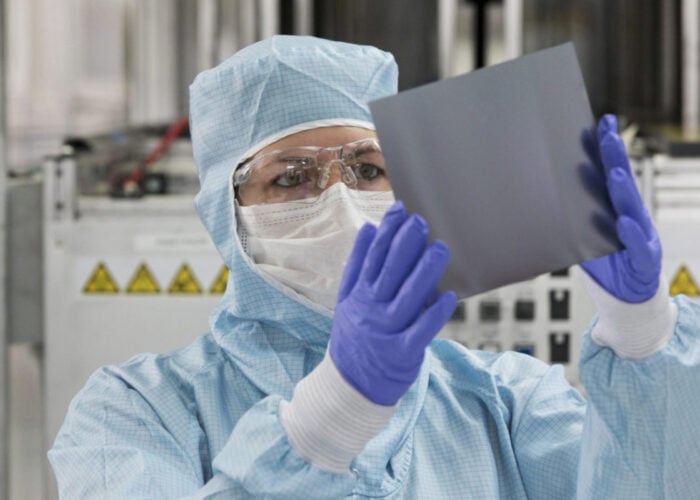
Solar wafer producer NexWafe has secured a €30 million (US$32 million) investment to accelerate the construction of its first commercial-scale wafer plant in Bitterfeld, Germany.
Perovskite solar cell researchers Oxford PV have claimed a new world record for commercial solar cell efficiency, recording a 28.6% efficiency on a 258.15 cm2 perovskite tandem cell independently certified by Fraunhofer ISE.
AES Corporation has signed a Recycling Services Agreement with US solar recycling company Solarcycle, which will see modules from AES’ projects sent to Solarcycle’s Texas facility to be recycled and repurposed.
China's PV module companies released their financial reports for 2022 and the first quarter of 2023 at the end of April, with some of the leading manufacturers posting strong performance.
The US Department of Treasury and Internal Revenue Service (IRS) have released guidance pertaining to the domestic content bonus included in the Inflation Reduction Act (IRA); solar PV projects will need to meet requirements for both their PV and their steel components in order to benefit.
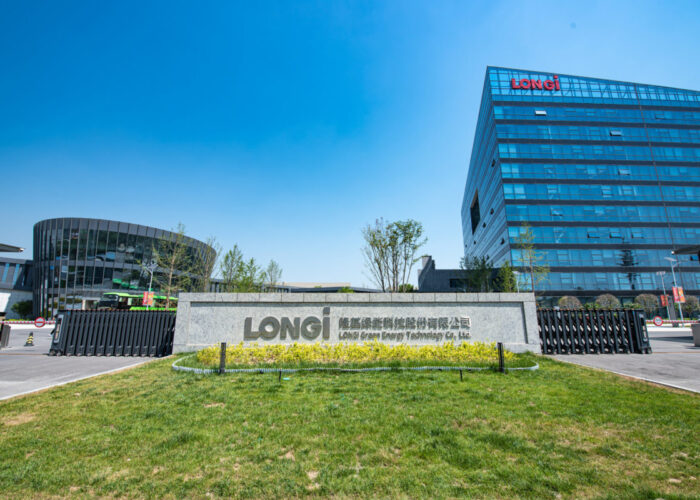
According to the company’s financial results for last year, 2022 was the first time that LONGi’s yearly revenue surpassed RMB100 billion (US$14.4 billion).