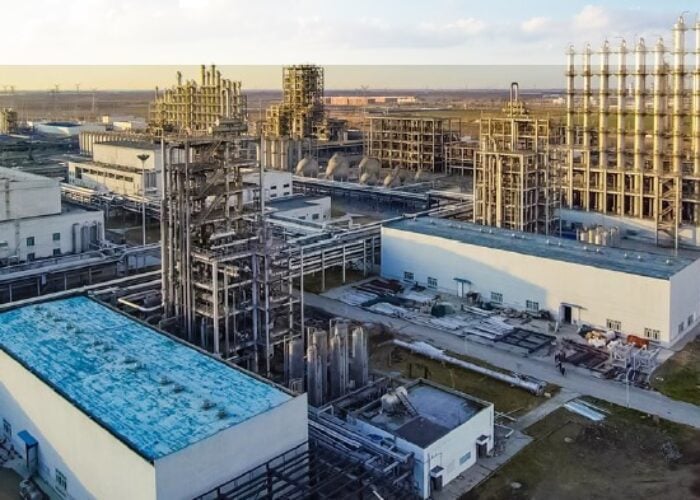
In the full-year 2021, Daqo said it expects to produce approximately 80,000 to 81,000MT of polysilicon, compared to 77,288MT in 2020. The slight increase will be due to debottlenecking activities.
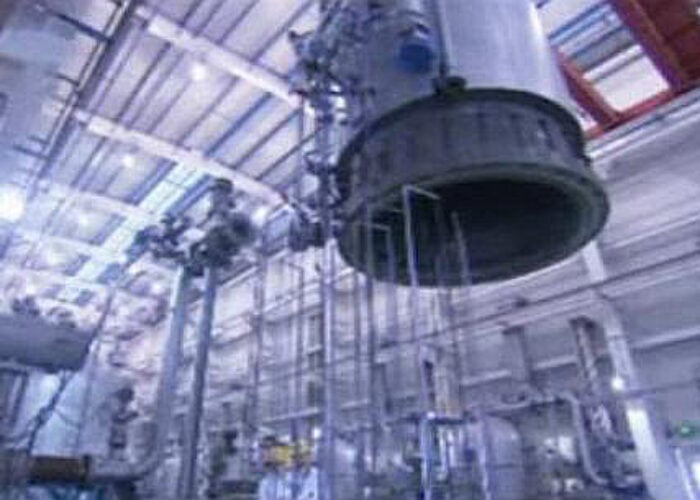
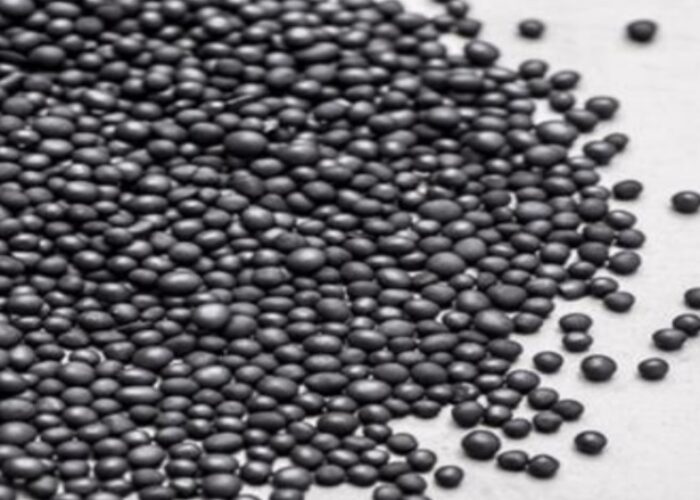
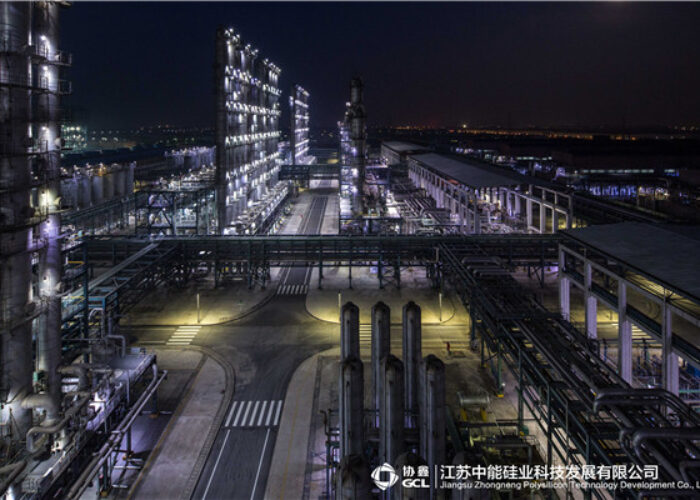
GCL-Poly said in a financial filing that its FBR produced silicon had met a number of quality standards in-line with the Siemens process, while in certain parameters outperforming the dense silicon materials.
Major China-based polysilicon producer Daqo New Energy has signed a three-year high-purity polysilicon supply agreement with Zhonghuan Semiconductor (TZS), totalling 41,000MT.
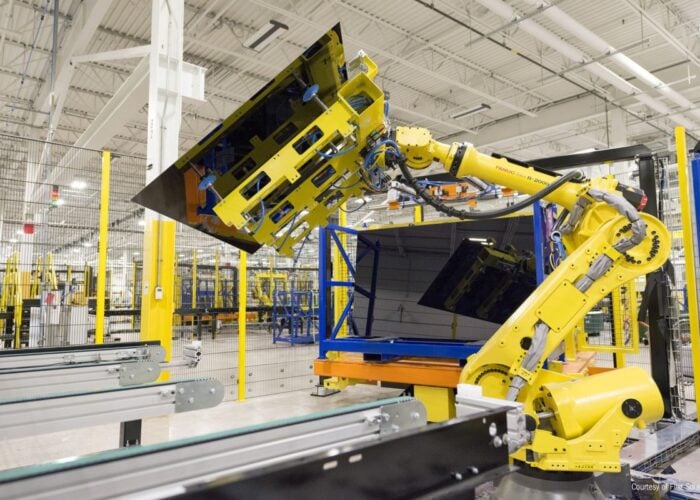
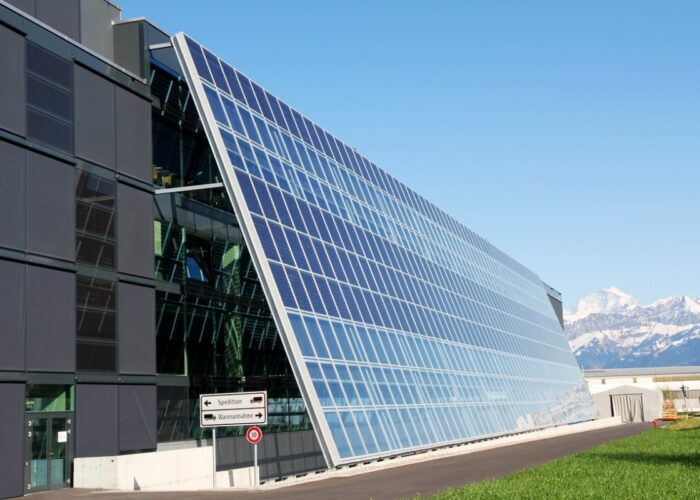
Mark Osborne provides a detailed analysis of First Solar’s technology and manufacturing strategy, examining its production transition issues to date and the company’s product efficiency roadmap.
Major polysilicon producer GCL-Poly has entered into an agreement with monocrystalline equipment and wafer producer Wuxi Shangji Automation Co to partner on establishing a 300,000MT Fluidised Bed Reactor (FBR) ‘granular’ polysilicon plant in Inner Mongolia.
A European Commission-backed project has been launched to scale up Europe’s PV manufacturing industry and capture the continent’s “booming demand” for solar equipment.
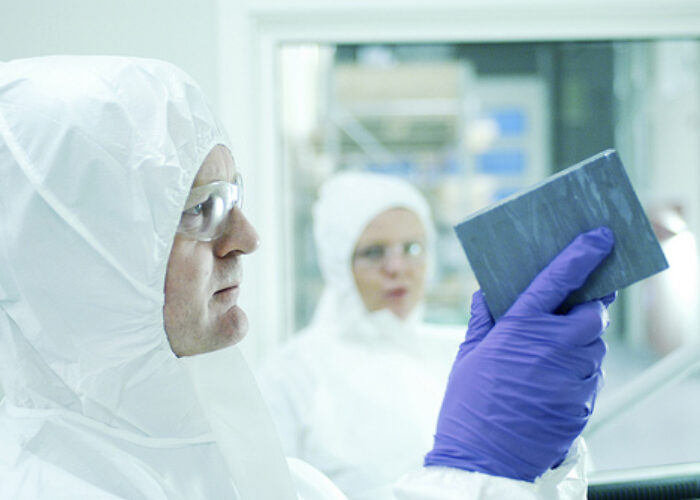
Small polysilicon producer REC Solar Norway has claimed a carbon footprint of 11.2kg CO2-eq per kg silicon, which was verified by EPD Norway and published Environmental Product Declarations (EPDs) for solar grade silicon and for multicrystalline silicon blocks made by REC.
Major ‘Solar Module Super League’ (SMSL) member JinkoSolar has secured a three-year solar glass supply contract with Flat Glass Group, totalling the equivalent of 59GW of PV modules.