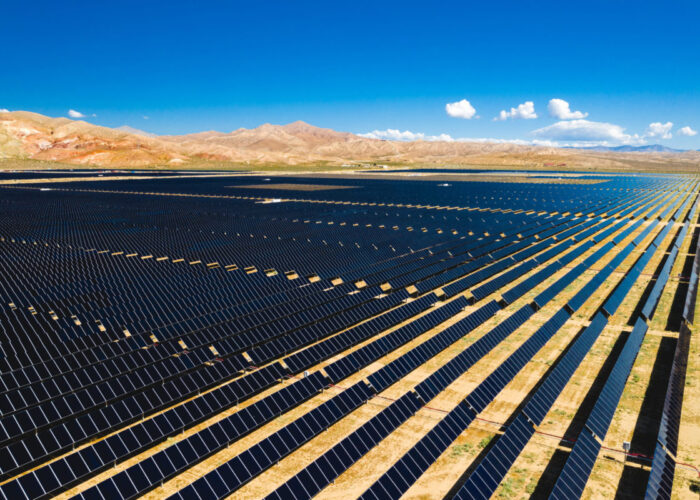
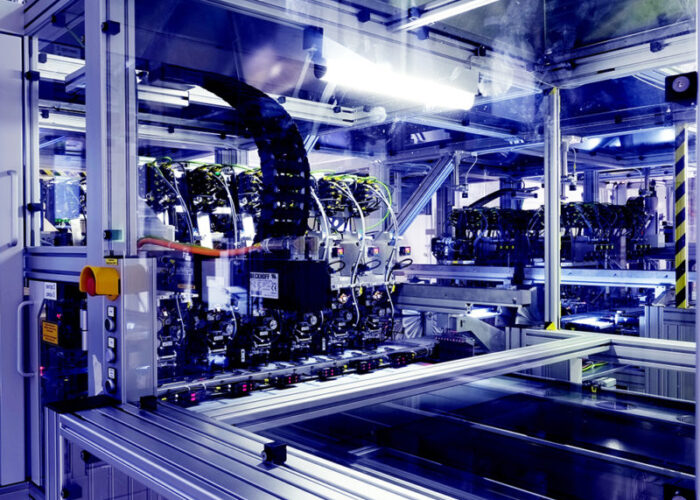
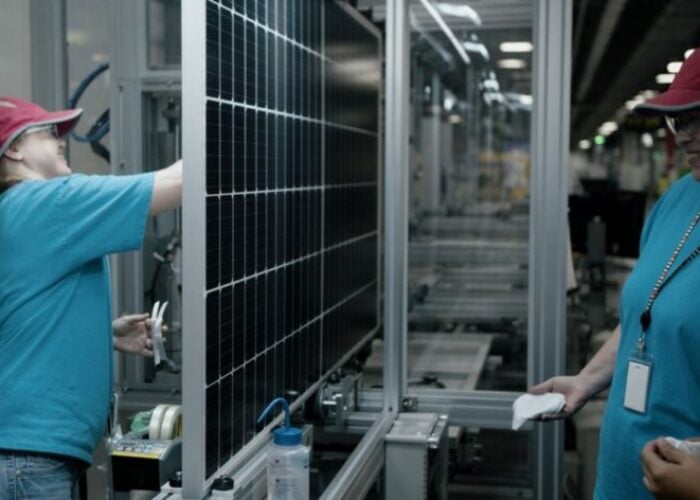
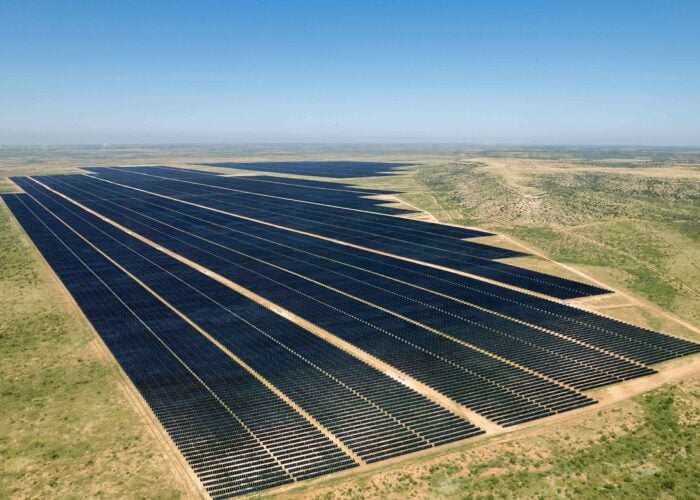
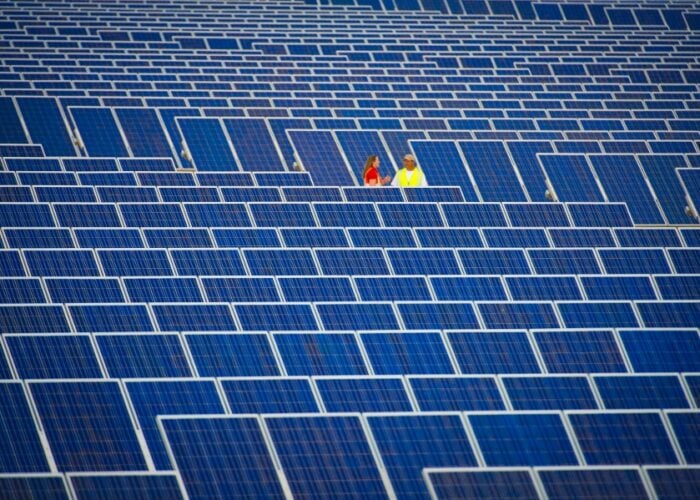
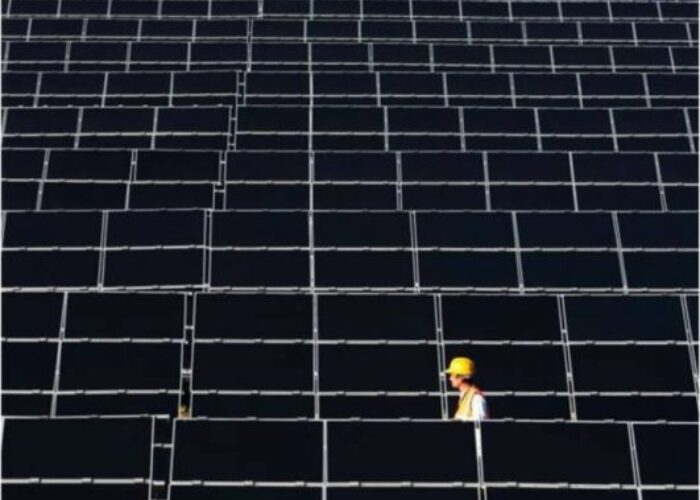
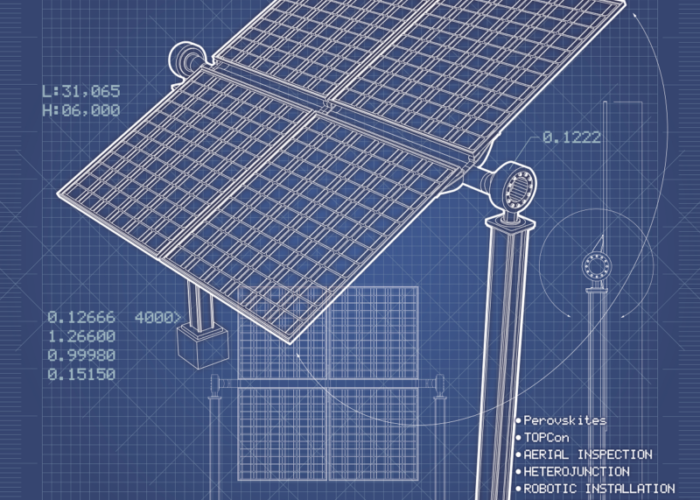
While the technological advancement of solar over the coming decade will play a significant role in driving deployment, actual installations will largely driven by two factors – manufacturing capacity and national decarbonisation targets. Jules Scully examines how much solar can be made, and deployed, by 2030.
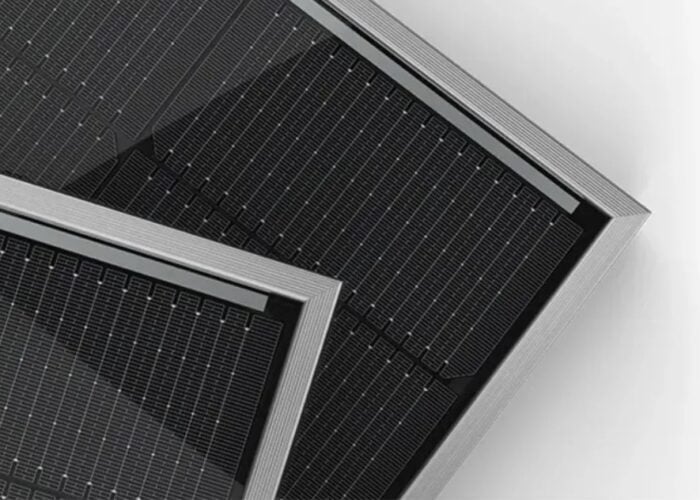
While Mono-PERC is the eminent solar cell technology presently, its dominance is expected to be short lived with n-type TOPCon cells primed to takeover. But when will that technology shift happen? What does it mean for heterojunction? And what does that mean for tandem cells or perovskites? Liam Stoker finds out
The US International Trade Commission (ITC) has recommended that President Joe Biden extend tariffs on imported crystalline silicon PV cells and modules for another four years.
As Senate Democrats continue negotiations over President Joe Biden’s US$1.75 trillion Build Back Better plan, Jules Scully looks at how the package could drive solar deployment and bolster domestic PV manufacturing.
A US development agency has approved up to US$500 million of debt financing for First Solar to support the manufacturer in setting up a thin film module production plant in India.
The US and China will account for a combined 57% of total forecasted solar capacity additions through 2030, with the countries adding 151.3GW and 436.9GW of solar capacity, respectively. Both countries have risks to this development, however, with the US needing to overcome trade and tariff problems, while China needs to ensure the reliability of PV production
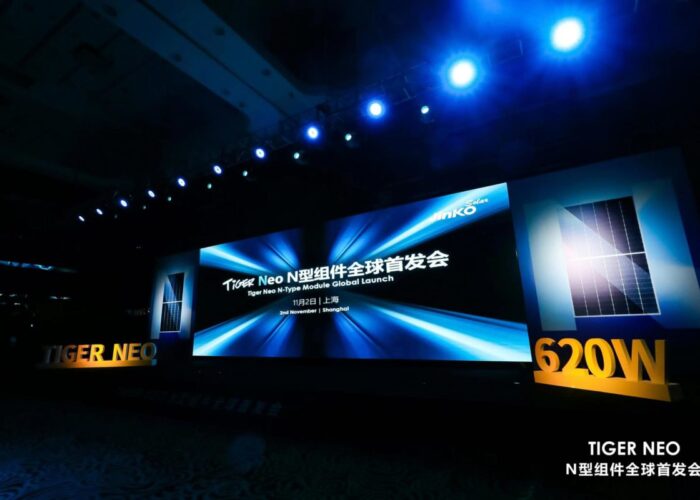
PV Tech Premium speaks to Dany Qian, vice president at JinkoSolar, to get the inside story about the ‘Solar Module Super League’ member’s 16GW n-type expansion and plans to take the lead in TOPCon.