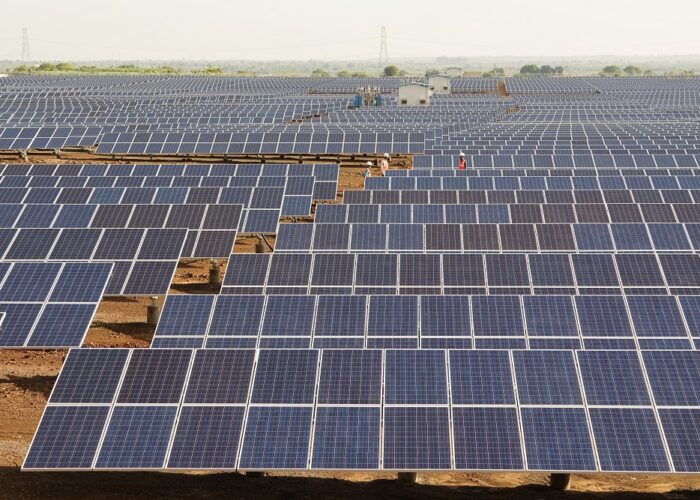
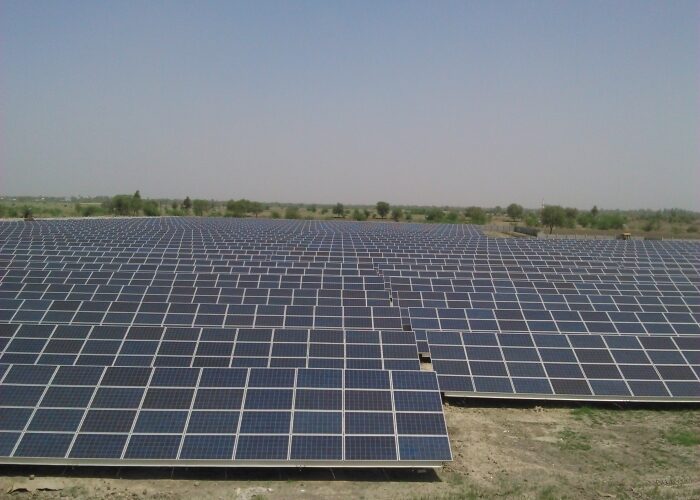
Gujarat Urja Vikas Nigam Limited (GUVNL) has issued an innovative tender for 500MW of grid-connected solar PV projects to be developed across the state, which should draw "intense competition", according to a prominent analyst.
France has awarded 73MW of solar ‘innovation’ capacity promoting floating solar, new forecasting software and solar greenhouses, as well as divvying out another 508MW in its large-scale PV programme.
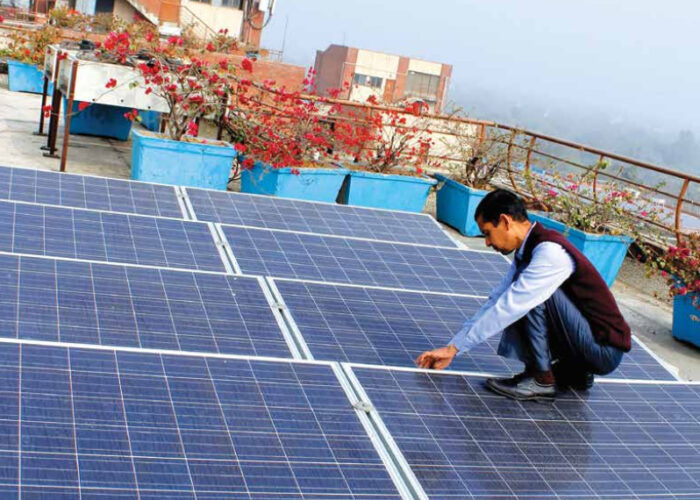
The deadline for developers to complete their allocations and encash bank guarantees under a 500MW residential and non-profit rooftops solar tender in India has been extended from 31 March to 30 June this year.
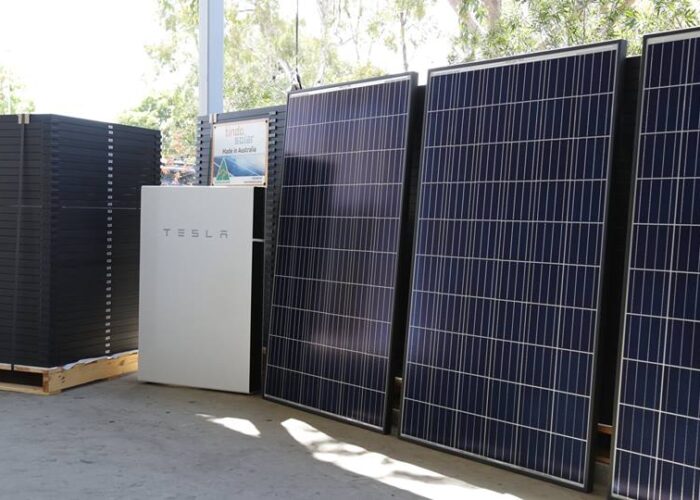
Energy storage in the state of South Australia has continued its prolific pace of development with the announcement of two new grid-scale projects and a sizeable commercial and industrial (C&I) installation.
India’s Directorate General of Anti-Dumping and Allied Duties (DGAD) has initiated an anti-dumping investigation into imports of textured, tempered glass from Malaysia.
Leading integrated high-efficiency monocrystalline module manufacturer and ‘Silicon Module Super League’ (SMSL) member LONGi Green Energy Technology has signed a three year deal to purchase polysilicon from Korean-headquartered polysilicon producer OCI Co worth around US$1.02 billion.
An auction carried out under Karnataka’s 860MW solar tender has seen a recalibration of tariffs in India and a surprising outcome for the lowest tariff.
Members of the public in South Australia are being given the chance to participate in creating the biggest ‘virtual power plant’ of solar PV and batteries the world has ever seen.
Solar Energy Corporation of India (SECI) has issued a request for selection (RfP) for a 70MW solar project in Assam, a state that has seen little large-scale PV action to date.