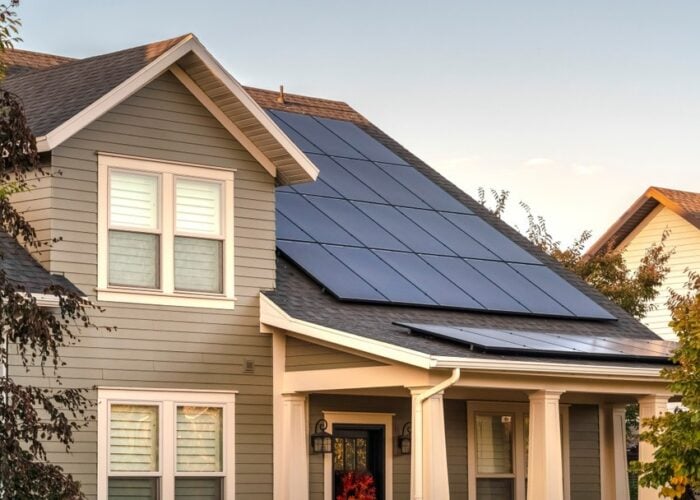
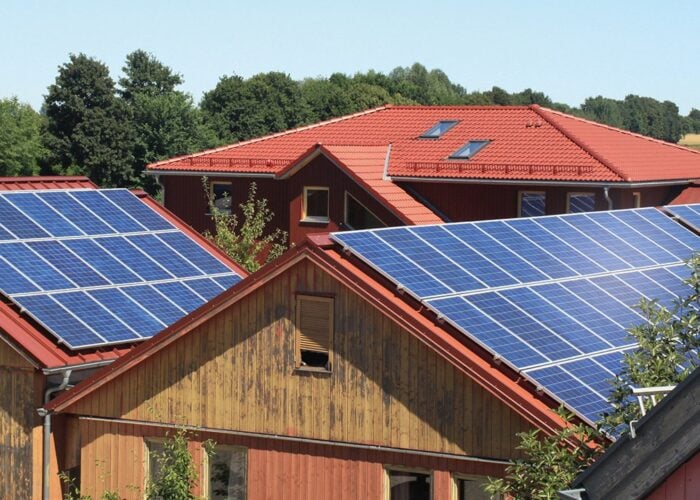
The residential solar industry in the US will be set for a growth spurt in 2023 and beyond as homeowner concerns combine with the blossoming impacts of the Inflation Reduction Act (IRA). So says the first “Solar Industry Snapshot” report from solar PV software provider Aurora Solar.
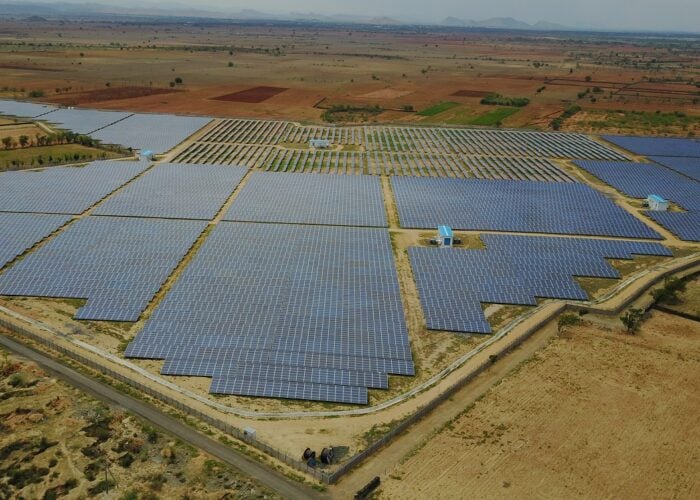
The Commercial and Industrial (C&I) renewables market in India is expected to grow by 47GW over the next five years, as policy tailwinds and decarbonisation targets spur growth.
If Portugal wants to bring forward its target to have 9GW of installed capacity by 2026 rather than the end of the decade, it will need to solve one of its main barriers it faces at the moment: permitting issues.
PV Tech spoke with Peter Dickson, partner at Glennmont Partners, one of Europe’s largest renewable energy investment managers, about PPAs, legislation and price capping.
The number of residential solar and storage systems installed in Germany increased 52% in 2022 compared with the previous year, whilst three quarters of Germans would consider installing rooftop solar.
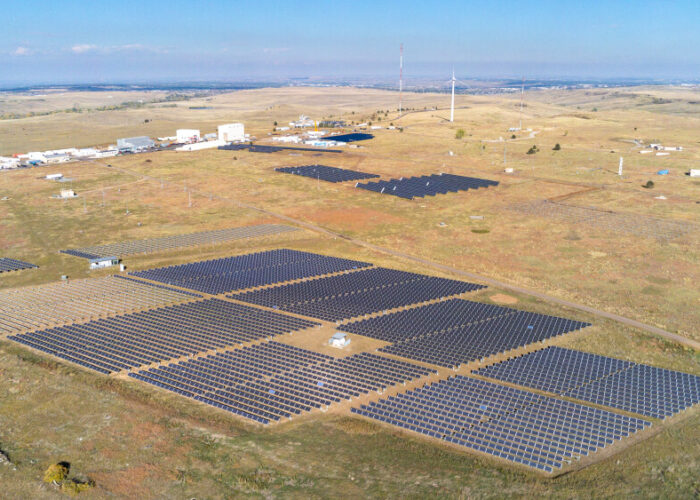
Solar and wind installations in the US could account for between 40% and 62% of total electricity generation by 2030, according to a report from the National Renewable Energy Laboratory (NREL).
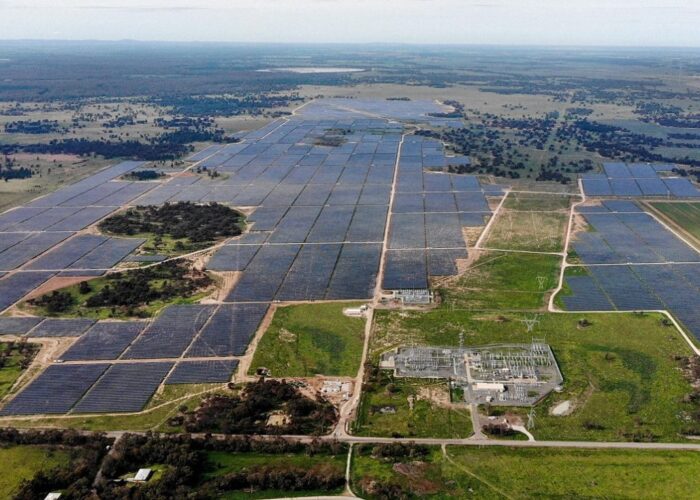
The government of New South Wales has announced a call for expressions of interest (EOI) as the initial part of an unprecedented renewable energy tender targeting development on state-owned “crown land”.
This article will cover both the rooftop and large-scale PV segments in more detail, with the shift from net-metering to net-billing and the stagnancy over pricing in large-scale auctions.