Chile has appointed five directors for the Board of its Independent Coordinator of the National Electric System, after its major transmission law upheaval.
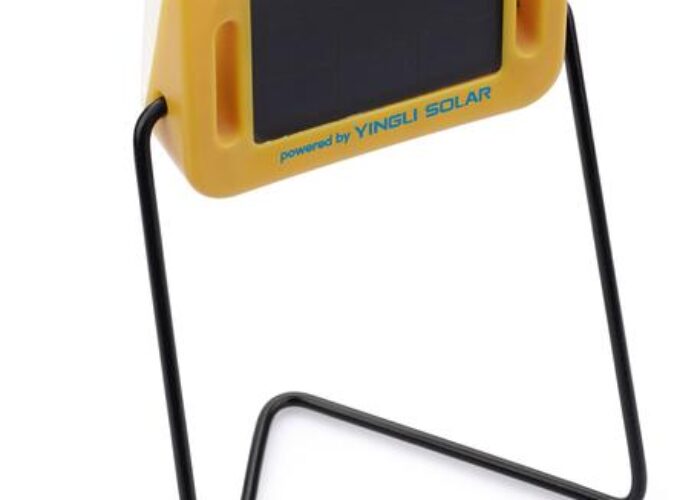
The European subsidiary of leading module manufacturer Yingli Green has partnered with climate change charity SolarAid to launch an affordable solar-powered light for distribution in rural Africa.
Schneider Electric is launching the ‘Conext SmartGen’ an intelligent, cloud-connected 1500 volt utility scale power conversion system, with a suite of supporting software solutions called the ‘Power EcoSystem’, including the cloud-based monitoring and control solution ‘Conext Advisor 2’.
There is a need for a pan-European investor-state dispute settlement mechanism, to give the solar industry a unified legal body to help it fight retroactive cuts and other policy U-turns across the continent, according to a European trade group.
The US Energy Department's National Renewable Energy Laboratory (NREL) has highlighted continued PV system cost reductions in its latest quarterly report, ‘US Solar Photovoltaic System Cost Benchmark Q1 2016’.
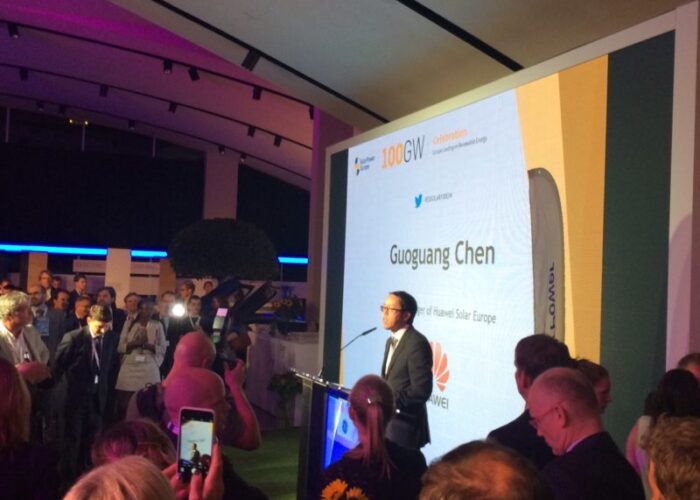
Fully digitized solar power plants will be the next focus for improving efficiencies in the solar PV industry according, to Guoguang Chen, general manager of inverter manufacturer Huawei’s Smart PV Europe Business.
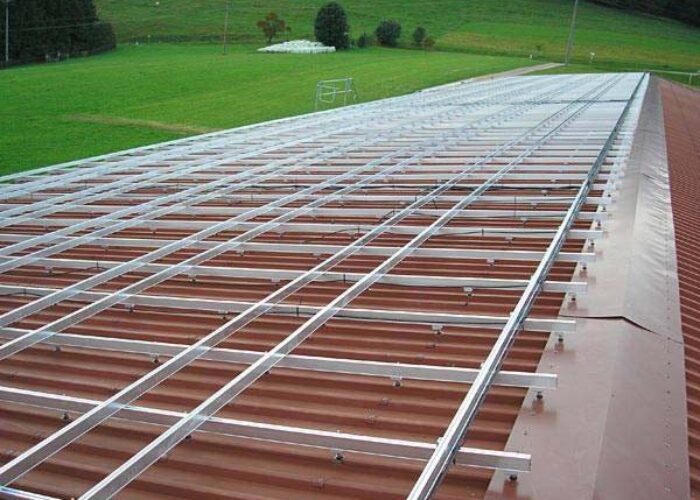
Solar mounting systems specialist S:FLEX GmbH said it had established a new branch office in Jordan to coordinate a growing demand in the MENA region for PV rooftop systems.