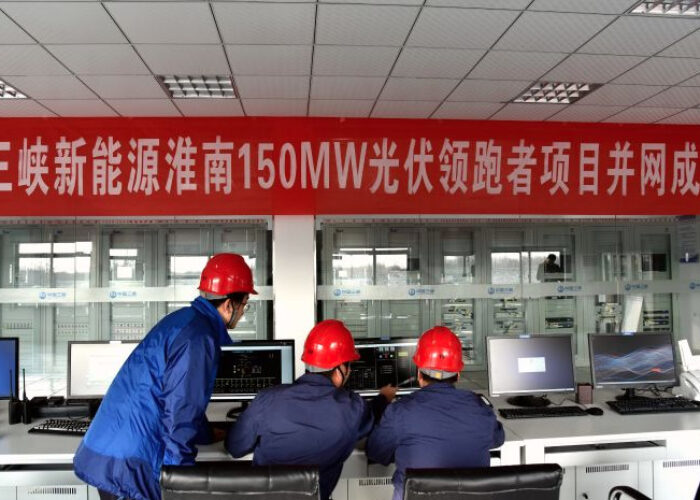
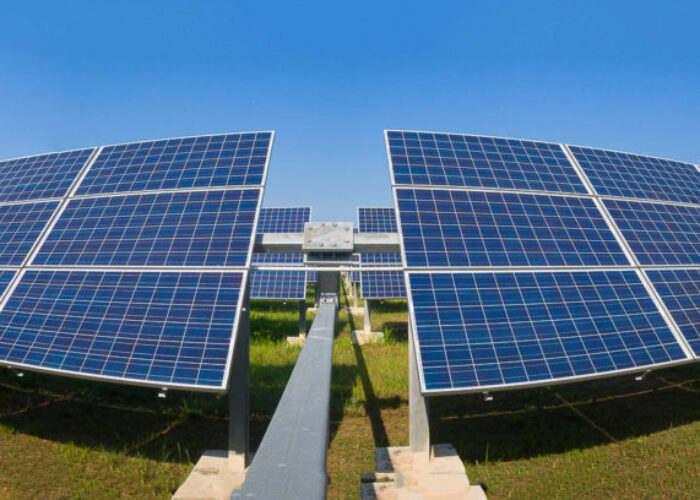
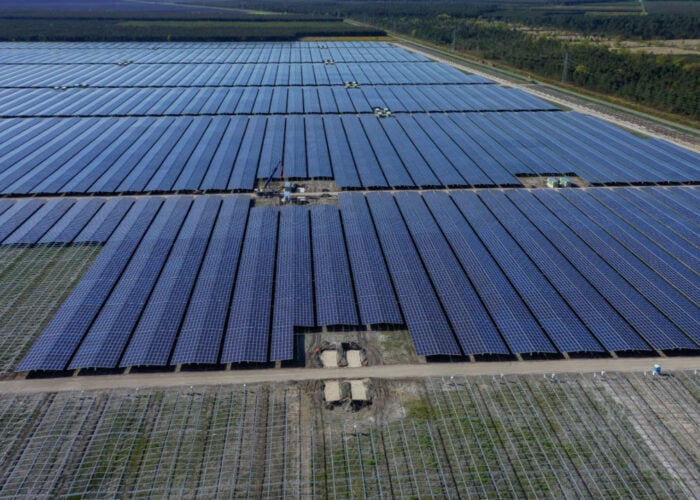
China-based firm Three Gorges New Energy, part of Three Gorges Corporation, has connected part of a 150MW floating PV project to the grid, with the remaining capacity to be connected in May 2018.
International solar PV systems integrator Phoenix Solar has announced plans to enter insolvency proceedings due to US$ 8.0 million reimbursement claim by a US customer.
The Energy Commission of Malaysia (EC) has released the list of winning developers in its second Large-Scale Solar (LSS) tender round, offering roughly 563MWac of capacity.
The New South Wales (NSW) government has signed a contract with the Australian arm of French renewable energy developer Neoen for the purchase of green energy certificates from the 24MW Dubbo Solar farm.
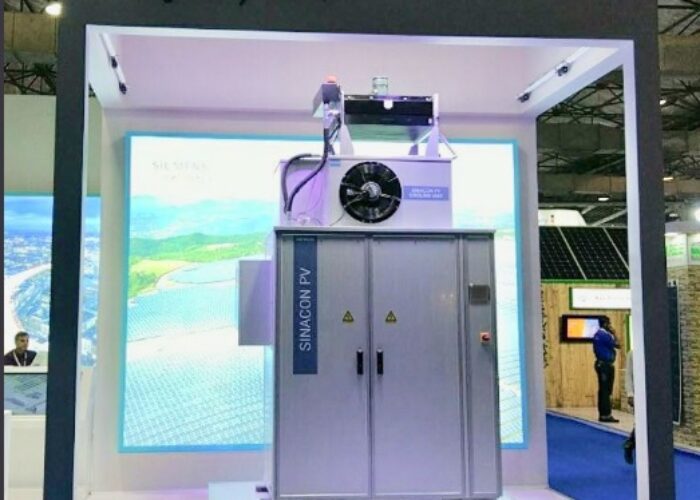
Siemens AG has launched a 5,000 kVA central inverter that is made in India and is being supplied to utility-scale solar PV power plant projects across the country as part of its new electrical Balance of Plant (eBoP) solution, during Intersolar India.
The Karnataka Renewable Energy Development Limited (KREDL) has issued a request for proposal (RfP) for 860MW of solar, split between 43 taluks with 20MW in each.
Rooftop solar growth in India is rising in spite of government policy support, which has been lacking or misplaced, according to panellists at Intersolar India in Mumbai.
Indian solar tariffs are overdue a major correction and many smaller players are likely to drop out of the sector over the next few years, according to panellists at Intersolar India 2017 in Mumbai.
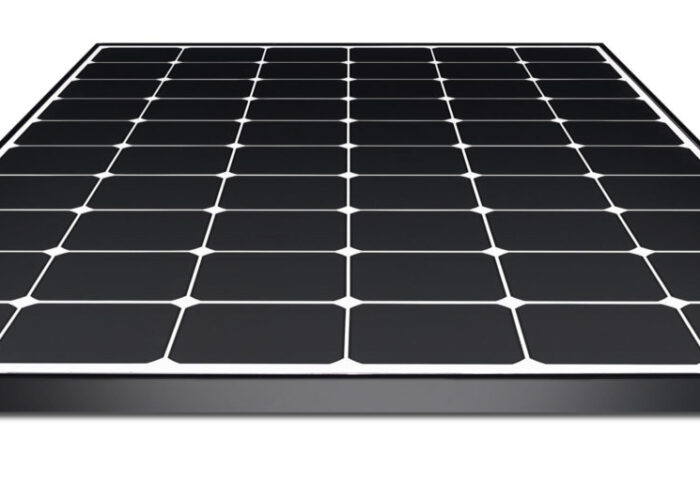
LG Electronics' flagship solar PV panel has a 365 Watt rating with improved temperature coefficient and extended product warranty designed with high aesthetics for residential applications. The LG ‘NeON R’ panel uses N-type monocrystalline cells (60-cell) with back contact electrodes.
A consortium involving Malaysia-based developer Cypark Renewable Energy and Revenue Vantage has won a 43.18MW (30MWac) solar PV project in Malaysia from the Energy Commission (EC), according to a filing on Bursa Malaysia.