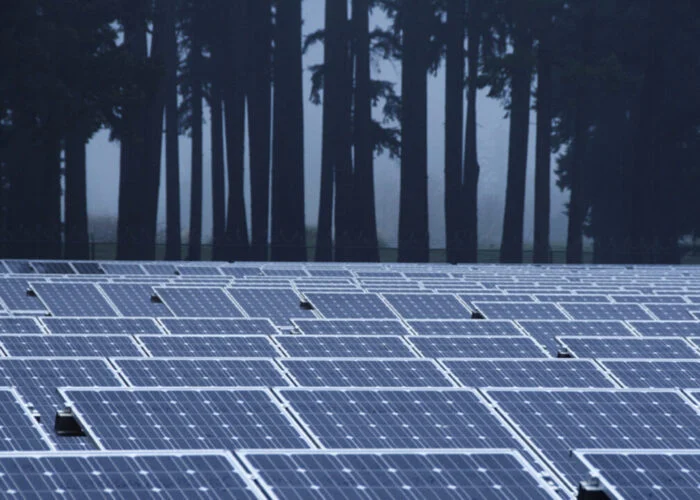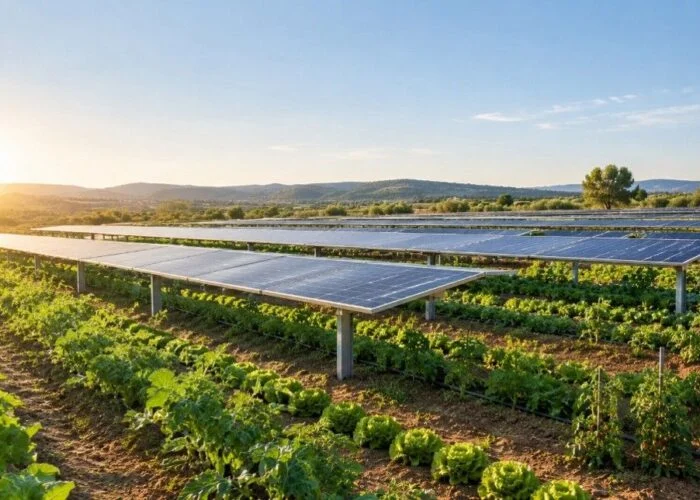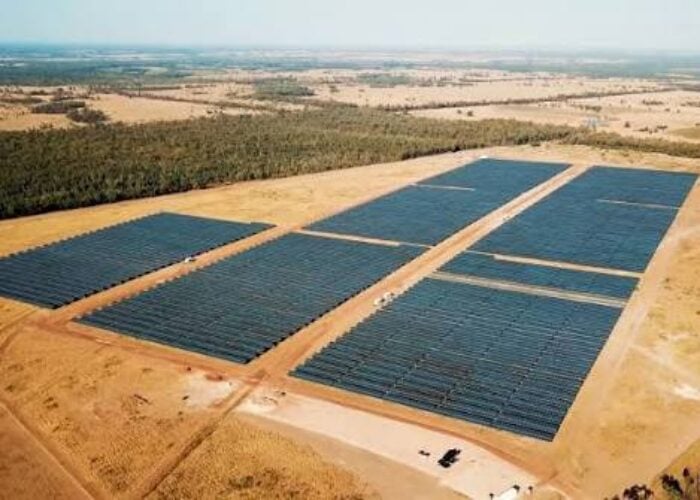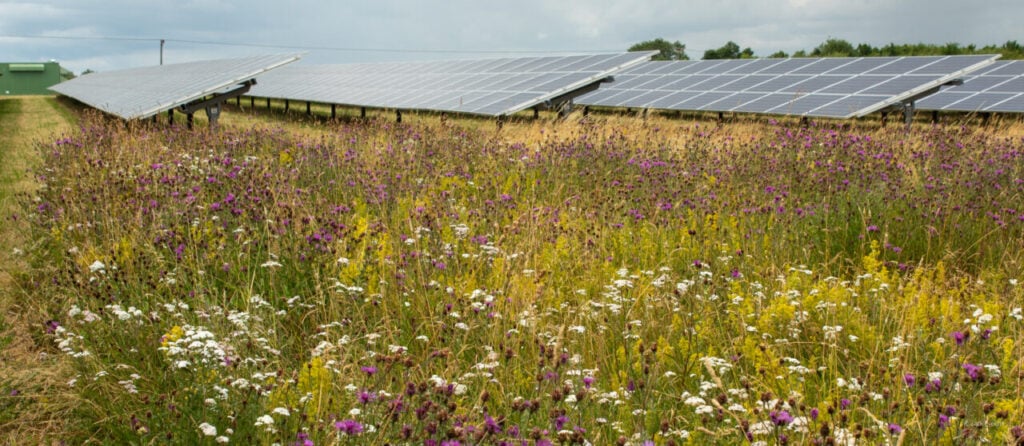
Austrian renewable energy company Kelag International has acquired a 64.4MWp portfolio of agrivoltaics projects in Italy.
The eight-strong project portfolio is primarily located in the regions of Lombardy and Emilia-Romagna, and seven of the eight sites are ready to begin construction.
Try Premium for just $1
- Full premium access for the first month at only $1
- Converts to an annual rate after 30 days unless cancelled
- Cancel anytime during the trial period
Premium Benefits
- Expert industry analysis and interviews
- Digital access to PV Tech Power journal
- Exclusive event discounts
Or get the full Premium subscription right away
Or continue reading this article for free
Financial details of the transaction were withheld, and Kelag International said it would oversee the projects through their construction and into operations. They are expected to be built “over the coming years”, the company said.
Romeo Reichenhauser, functional head of M&A at Kelag International, said: “The transaction builds on our successful cooperation with [German renewables firm] JUWI and reflects our focus on acquiring high-quality renewable energy assets with clear execution visibility.”
“Solar energy is an important pillar of our growth strategy, and Italy is a market with strong potential for further renewable development,” said Ingo Preiss, managing director of Kelag International, which is a subsidiary of Austrian energy firm Kelag Group.
Earlier this year, PV Tech heard that Italy was “definitely” the most attractive European market for standalone solar PV development, as it has relatively high power prices and the government is still backing new solar projects, unlike many markets that have switched emphasis towards energy storage and co-located assets.
Sebastjan Rozman, country manager Italy at Kelag International, added: “Agrivoltaics are an important aspect of these projects. They reflect the kind of development we want to pursue: projects that are technically robust, commercially viable and developed with long-term sustainability and the local context in mind.”
In addition to its favourable environment for developing standalone solar PV projects, Italy hosts a significant amount of agrivoltaics development, in large part due to the government’s support for dual-use solar PV and agricultural land through public auctions.
The presence of complex zoning laws around the use of “suitable areas” for solar development and its intersection with agricultural practices means that the Italian policy environment has made agrivoltaics necessary in some instances. Back in 2024, the government attempted to ban PV installations on agricultural land over apparent conflicts between the two sectors; that move was partially repealed in 2025.