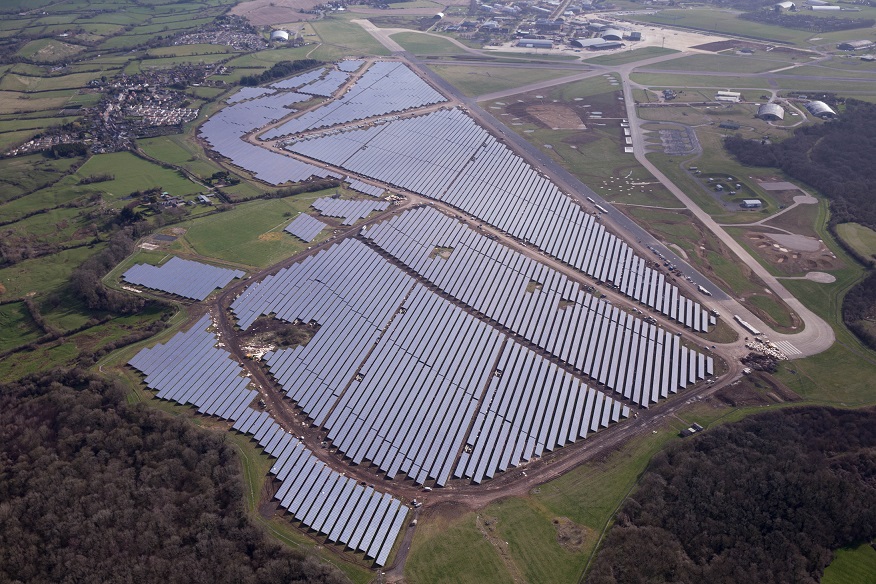
Plans for Little Crow Solar Farm in the UK have edged closer this week on the back of developer INRG revising upwards the site’s planned capacity.
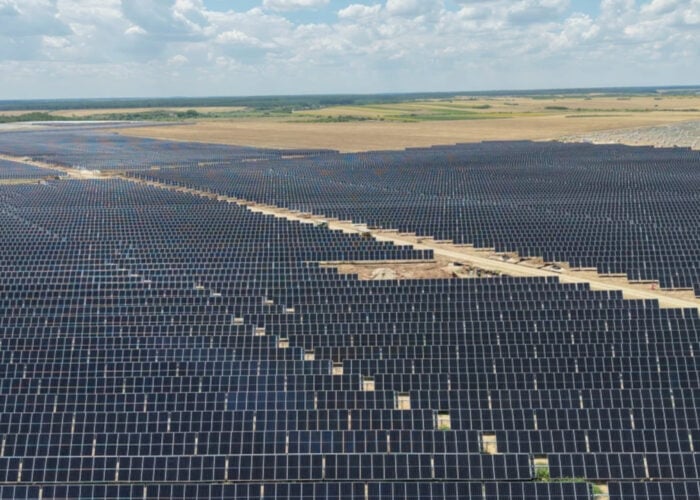
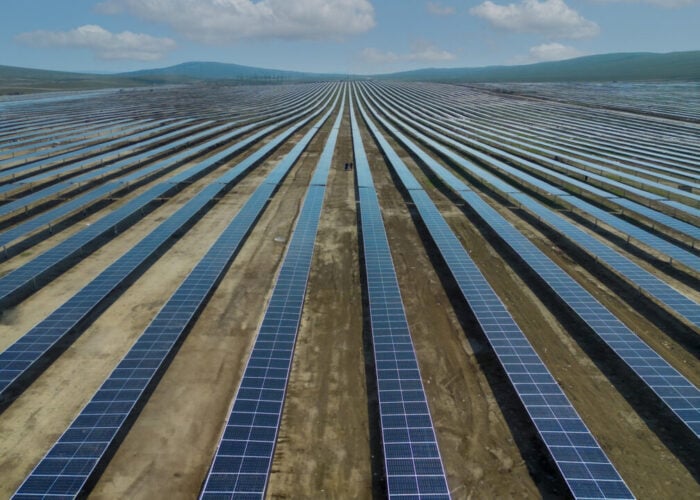
In January this year, INRG Solar revealed that it had earmarked the site, between British Steel’s works in Broughton and Scunthorpe, to develop a 120MW solar farm and a 50MW battery storage facility connected to the local 132kV network.
Try Premium for just $1
- Full premium access for the first month at only $1
- Converts to an annual rate after 30 days unless cancelled
- Cancel anytime during the trial period
Premium Benefits
- Expert industry analysis and interviews
- Digital access to PV Tech Power journal
- Exclusive event discounts
Or get the full Premium subscription right away
Or continue reading this article for free
But having now progressed to a secondary stage of public consultation, the prospective site has been upscaled to incorporate 150MW of solar PV and 90MW of battery storage.
The site is one of two in the works in the UK that exceed the 50MW threshold for scrutiny from national planning authorities.
Further details have too been released as the plans have matured.
The site is expected to be developed within 11 months with all material delivery routes designed to avoid the nearby town of Broughton.
A comprehensive ecology plan has been put into place, with both bird and bat boxes, native hedgerows and areas designated for ground-nesting birds incorporated.
Interestingly, the site is expected to have a 35-year operational lifespan, representing a much wider trend towards project life expectancies across the board. Operational PV plants in the UK are now expected to continue generating electricity long beyond the 25 years forecasted during the first build-out period from 2011 onwards, and most are now expected to last between 30 and 40 years.

Over that 35 years, INRG expects the site to generate in excess of £15 million (US$19 million) worth of benefits for the local area through business rate payments, finance which could go towards local services.
INRG is now seeking additional thoughts on the proposals through the new consultation with a series of community events scheduled, starting this week. The second consultation phase is to run until 4 March 2019, ahead of a final Development Consent Order (DCO) application which is expected to be submitted in Q2 2019.
The developer’s statement of community consultation (SoCC), published on its website, indicates that construction is not expected to commence until early 2020, meaning it could be 2021 before the site is energised.
Little Crow is not the only significant solar farm pursuing the significant infrastructure planning route, with Hive and Wirsol’s Cleve Hill Solar Farm also seeking a DCO.
Last month the joint venture submitted its application for DCO, confirming that plans for the project – which is now expected to cost in the region of £450 million (US$567 million) – had been altered to reduce the covered area following community consultations.
Having originally planned for something in the region of 1 million panels to be installed, Cleve Hill is now planning for around 880,000 modules.