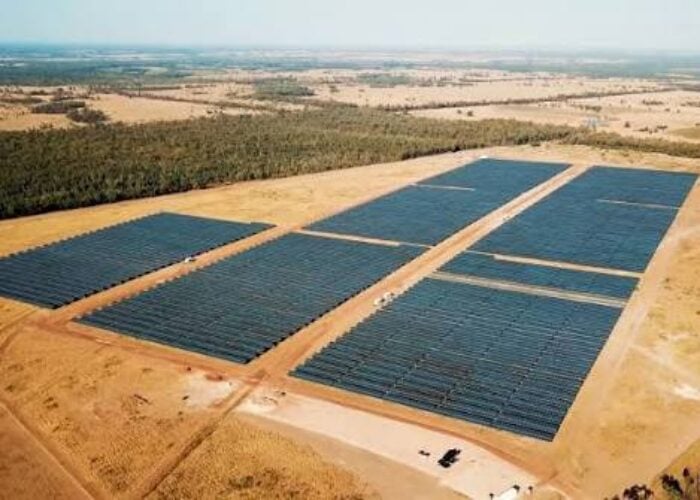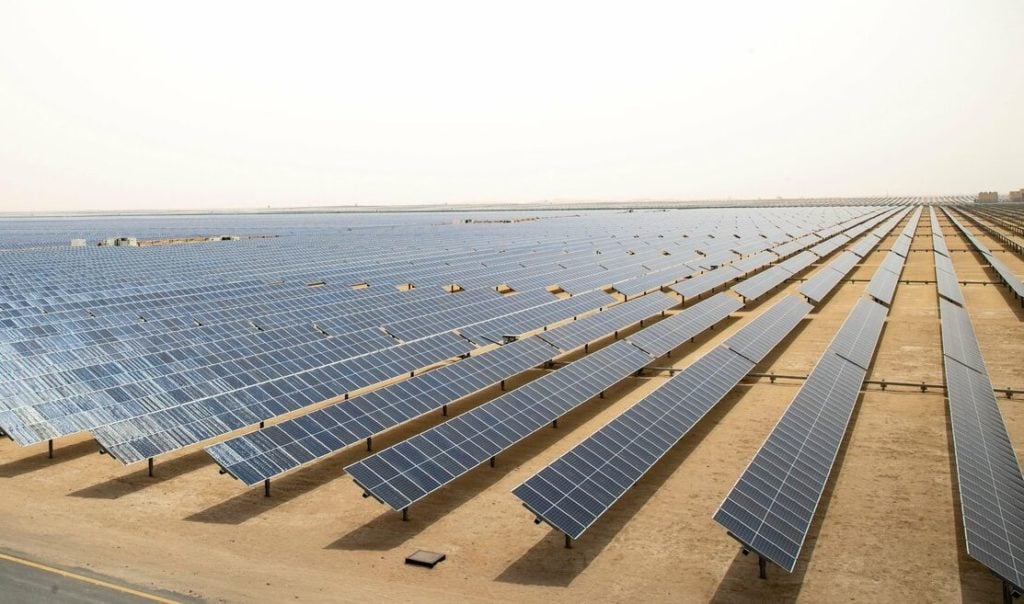
UAE-owned renewable energy company Masdar has signed a Memorandum of Understanding (MoU) with Kyrgyzstan’s Ministry of Energy to explore the development of renewable energy opportunities in the Central Asian nation.
As part of the MoU, Abu Dhabi-based Masdar will explore the development of ground-mounted solar PV, floating solar and hydropower projects, with a potential capacity of up to 1GW.
Try Premium for just $1
- Full premium access for the first month at only $1
- Converts to an annual rate after 30 days unless cancelled
- Cancel anytime during the trial period
Premium Benefits
- Expert industry analysis and interviews
- Digital access to PV Tech Power journal
- Exclusive event discounts
Or get the full Premium subscription right away
Or continue reading this article for free
Kyrgyzstan is targeting a 44% reduction in greenhouse gas emissions by 2030, with its net zero target set at 2050. The country already generates around 90% of its electricity from clean energy resources but this is almost exclusively from aging hydropower plants, according to Masdar.
“By tapping the country’s high irradiation levels, Kyrgyzstan could enhance energy security while also managing its water resource levels, which are being diminished by climate change,” the company said.
Masdar has penned a number of renewable agreements recently. In January, it signed a memorandum of understanding (MOU) with three other energy companies to establish a partnership focused on exporting 1.2GW of electricity to Singapore and has also set up a new joint venture (JV) that will focus on developing renewable energy projects across Eastern Europe, Central Asia and Africa.