The US state of Michigan has announced plans to meet 100% of its energy demand with renewable energy sources, such as wind and solar, by 2040, becoming the 12th US state to make such a commitment.
The package of bills, known as the Clean Energy Future Plan, passed the state legislature last week, and now only needs to be signed into law by governor Gretchen Whitmer. The new laws, if passed in their current form, will require Michigan utilities to acquire 15% of their electricity from renewable sources, an increase on the contribution of renewables to the state’s energy mix, which was 12% in 2022.
Try Premium for just $1
- Full premium access for the first month at only $1
- Converts to an annual rate after 30 days unless cancelled
- Cancel anytime during the trial period
Premium Benefits
- Expert industry analysis and interviews
- Digital access to PV Tech Power journal
- Exclusive event discounts
Or get the full Premium subscription right away
Or continue reading this article for free
The bills will also increase this renewable power requirement in the coming years, to 50% renewables by 2030 and 60% renewables by 2035. Utilities will also be able to use renewable energy credits, that is to say purchasing renewable energy generated elsewhere without investing in new renewable capacity, until 2035, but after this date utilities’ contribution to the state’s renewable energy capacity will only take into account power generated directly from renewable facilities.
“Michigan is competing with everyone to lead the future of cars, chips, and clean energy and we are winning,” said Whitmer. “With a 100% clean energy standard, energy efficiency rules to save families money, stronger tools to build more solar and wind farms, I know we will build on our economic momentum and dominate the future.
“I look forward to signing our clean energy package soon so we can build our brighter future.”
Opportunities in the solar sector
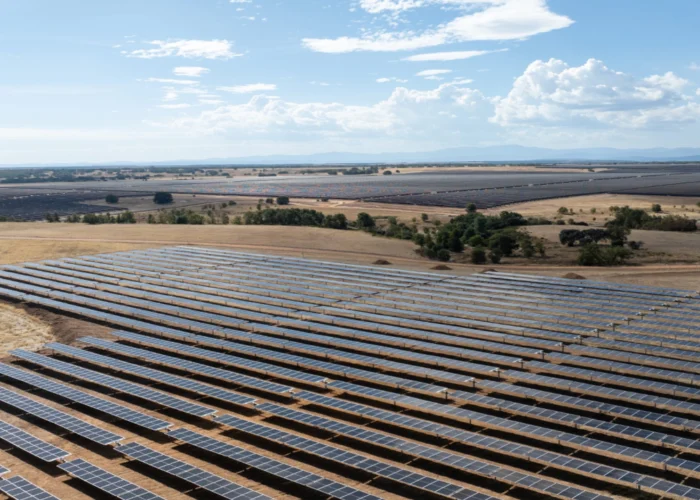
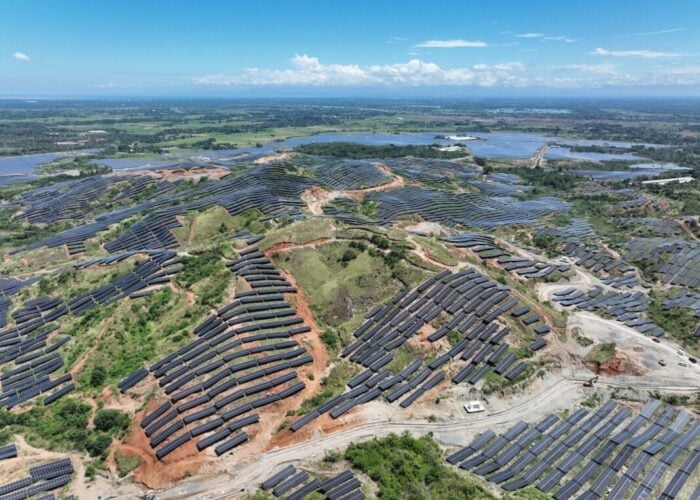
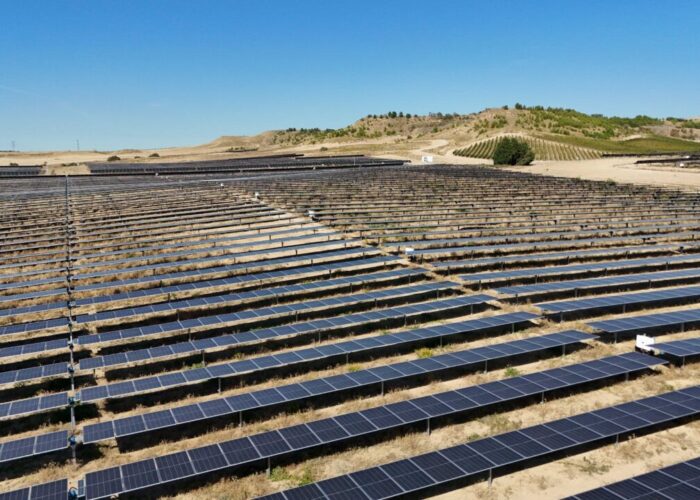
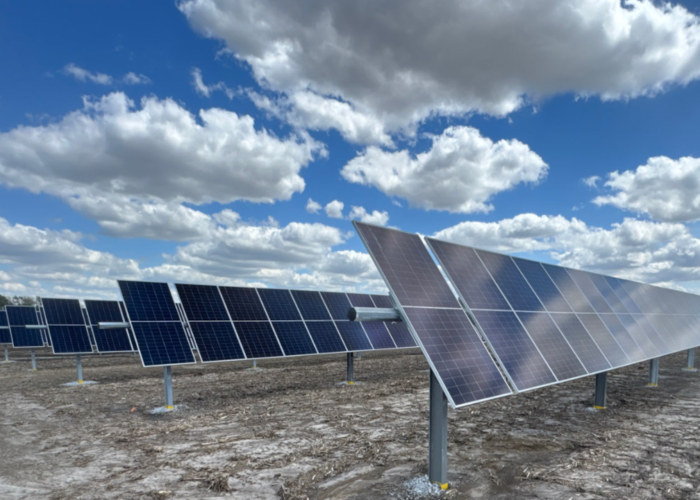
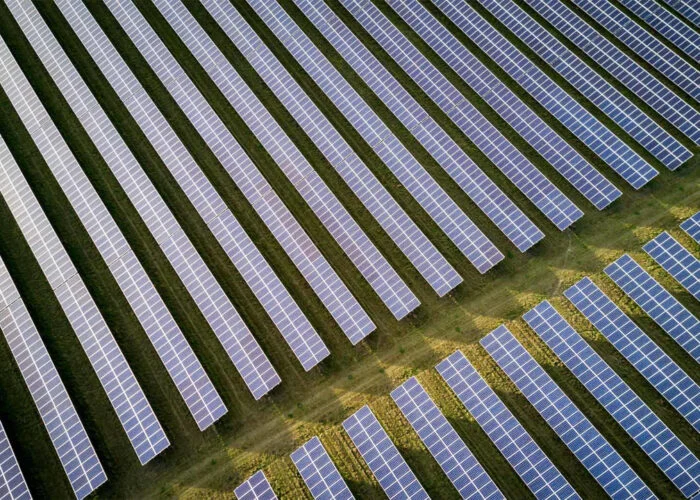
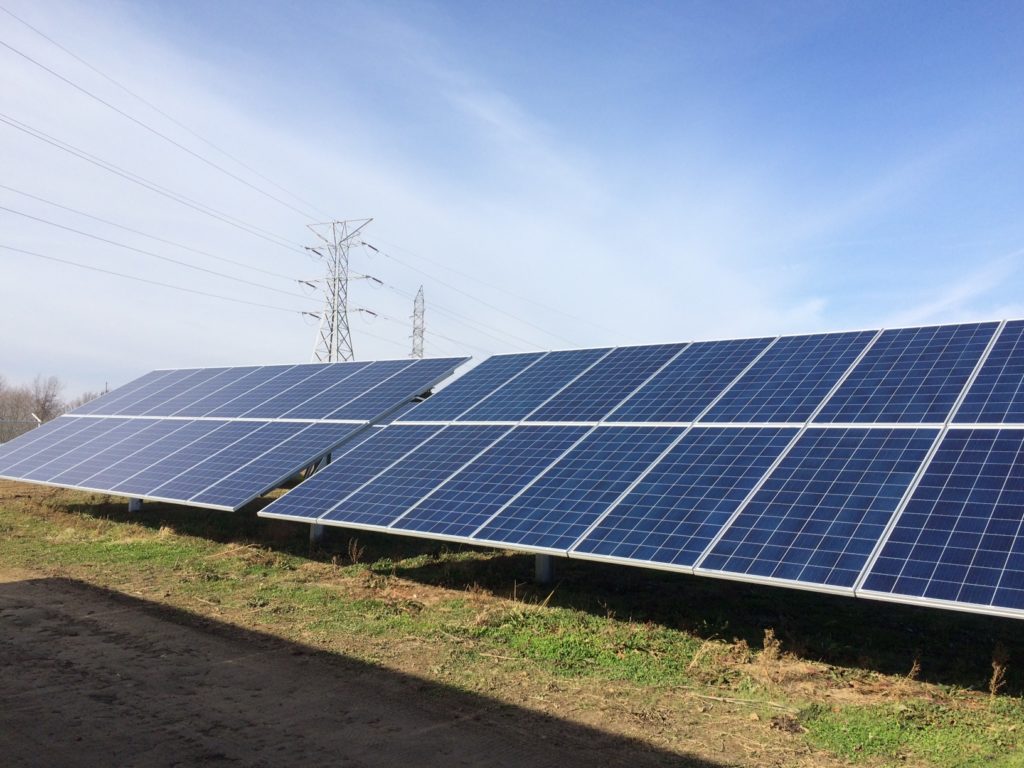
The passage of the bills could be of benefit to the state’s growing solar sector, which has 1.3GW of capacity installed as of the second quarter of this year, according to the US Solar Energy Industries Association (SEIA). Michigan has the 23rd-most solar capacity among the 50 US states, and SEIA expects the state to add over 3.3GW of new capacity over the next five years, the 16th-most in the country.
A number of new solar projects have already been announced in the state, including an 85MW solar farm on the site of two retired coal plants, and a new project of the same capacity that will be owned by technology giant Amazon.
The Michigan senate has also passed a new law that would give the state’s Public Service Commission the ability to overrule local authorities with regard to permitting new clean energy projects, a move which drew criticism from Republican senators in particular, who are eager to protect the rights of local authorities in Michigan, but could allow for more permitting of new renewable projects.
A report from Climate Power also found that, since the passage of the Inflation Reduction Act (IRA) last year, Michigan had invested US$21.3 billion into new clean energy projects, creating 16,699 new jobs in the process. The report expects the state to add 167,000 new jobs in the clean energy sector in the next decade, so there is considerable optimism regarding the future of the state’s energy mix.
However, questions remain as to the long-term impacts of this legislation. The Clean Energy Future Plan, in its current form, includes within its definition of a “clean energy system” carbon capture and storage facilities that are 90% effective. With Michigan utilities required to use clean energy systems in 80% of their energy portfolios in 2035, and 100% from 2040, there is the potential for utilities to invest in projects such as carbon capture, rather than ones that will advance the state’s adoption of renewables, such as solar.
“This is a major step forward for Michigan, and we want to recognise governor Whitmer and the Michigan legislature for their leadership on these critical energy issues,” said Erika Kowall, director of Midwest state affairs at the American Clean Power Association, which has been supportive of the state’s new bills.
“This new legislation works to secure Michigan’s clean energy future but also to make certain the state is positioned to benefit from the valuable new jobs, tax revenue, and ongoing investment that renewable energy brings.”