The Michigan Public Service Commission (MPSC) has rejected two applications made by local utility Consumers Energy to terminate power purchase agreements (PPAs) in place with biomass producers in the state, and replace them with power generated from solar.
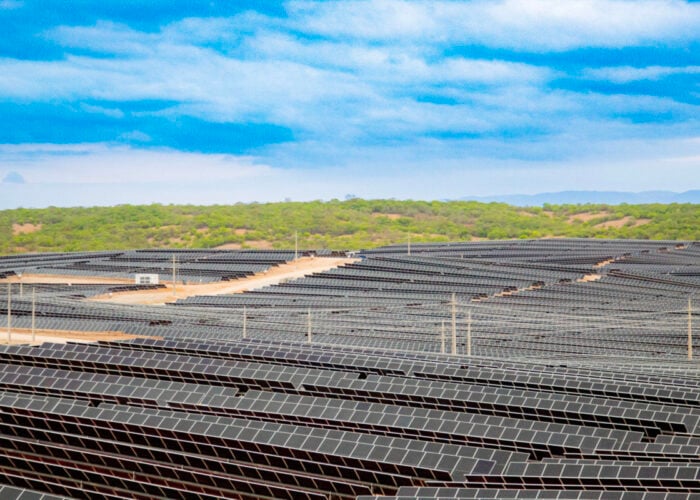
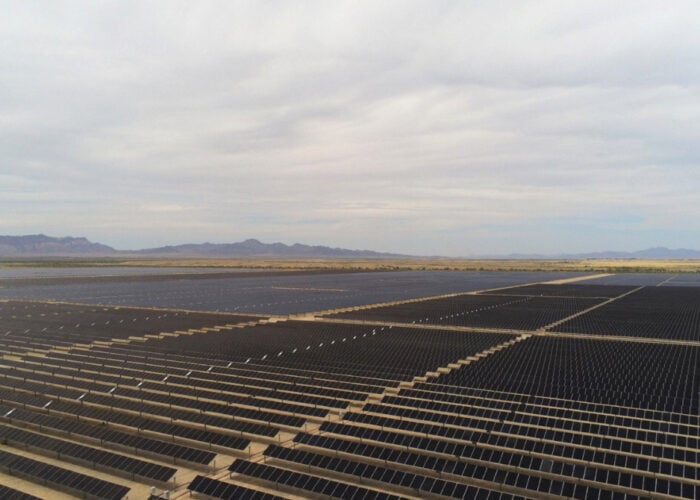
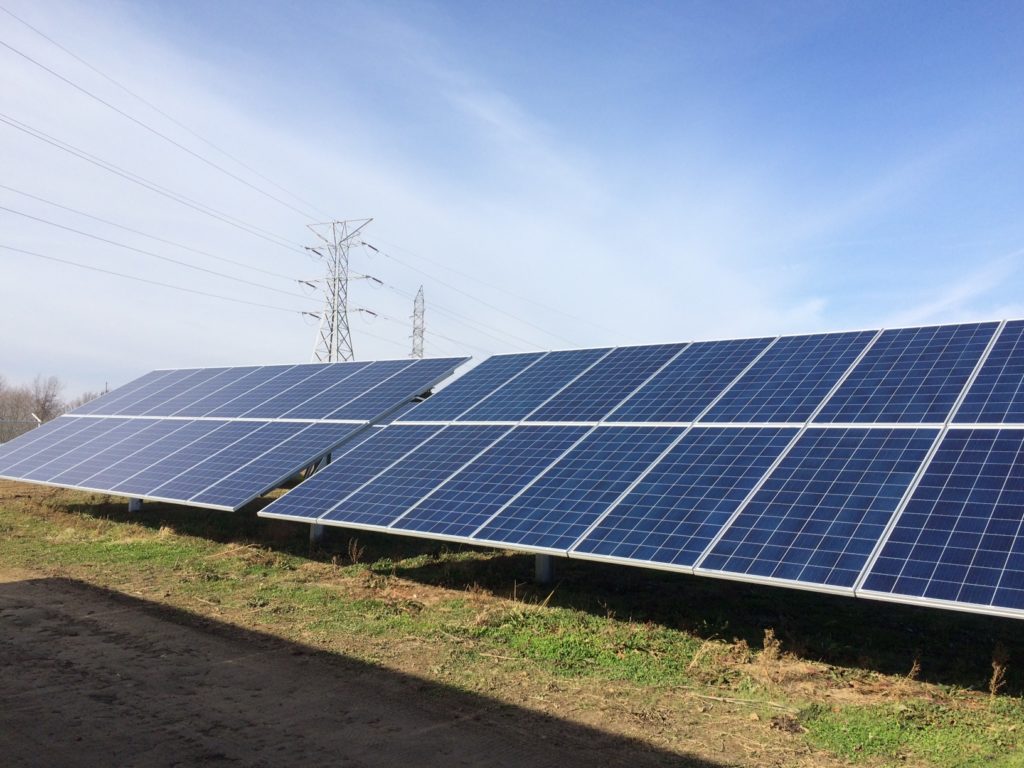
The utility made separate requests to cancel the two PPAs. One involves a deal signed with National Energy of Lincoln for an 18MW biomass plant in the state, that planned to run until 2027. Consumers, however, sought to end the deal early, which would have triggered a closure of the plant in May this year, and replace the power generated with a new solar plant, which would have a capacity of 33.6MW.
Try Premium for just $1
- Full premium access for the first month at only $1
- Converts to an annual rate after 30 days unless cancelled
- Cancel anytime during the trial period
Premium Benefits
- Expert industry analysis and interviews
- Digital access to PV Tech Power journal
- Exclusive event discounts
Or get the full Premium subscription right away
Or continue reading this article for free
The other deal involves the 40MW Cadillac biomass plant, operated by the Cogeneration Michigan Associates Limited Partnership, which Consumers aimed to end by May this year. The utility proposed replacing this biomass plant with another new solar facility, this one with a capacity of 67MW, but MPSC rejected both proposals, arguing that the reliance on a variable power source, such as solar, posed an “unacceptable level of risk” for the state’s energy grid.
The commission suggested that the two solar facilities would not be able to make up the power produced by the biomass plants, forcing the off-takers to acquire their electricity from other markets. This poses both a financial and energy security risk for the Michigan grid, but also comes at a time of greater uncertainty for the Midwest Independent System Operator (MISO), the independent system operator (ISO) responsible for managing the grid across 15 US states, plus Manitoba in Canada, including Michigan.
According to the North American Electric Reliability Corporation (NERC), the retirement of many fossil fuel assets within the MISO mix – in 2023 operators within the MISO states retired 300MW of coal and 140MW of nuclear capacity – has posed questions about energy security within the MISO grid. The NERC expects that, at the current rate of facility retirement and commissioning, there will be a 4.7GW shortfall in capacity by 2028, and this looming energy supply issue could have influenced the MSPC’s latest decisions.
Support for solar and storage
However, the MSPC did announce support for some solar and energy storage projects. The commission approved Consumers’ proposal for a PPA pertaining to the 300MW Freshwater solar project, which is currently being constructed by Ranger Power.
The body also approved a bid made by the DTE Electric Company to replace a coal-fired power plant in Michigan with new battery storage projects. DTE has already retired its Trenton Channel power plant in Wayne County, and the MSPC has authorised the company to demolish two smokestacks at the idle factory, and construct a 220MW/800MWh lithium-ion battery energy storage system (BESS) in their place.
This storage project will cost up to US$460 million, according to the commission, and will be an important step as the state looks to realise its ambitious energy storage goals. Last November, governor Gretchen Whitmer signed both climate and storage targets into state law, including the commissioning of 2.5GW of energy storage capacity by 2030, becoming the tenth US state to make a binding commitment to storage capacity.
At the time the legislation became law, Jeff Bishop, then-CEO of grid-scale battery storage developer Key Capture Energy, told our sister site Energy-Storage.news that the Midwest region “needs storage more than anywhere” in the US.
Hailing the state legislature and governor Whitmer for taking a lead on clean energy, the CEO said his company has a project pipeline of 700MW in development in Michigan, as well as others in the wider MISO grid territory. This was, he said, down to the fundamental drivers for storage in the region.
“Obviously, MISO overall, just needs more capacity. Looking at all the coal plant retirements, even the natural gas plant retirements that are in Integrated Resource Plans [published regularly by utilities], and they just need more capacity. That’s where storage can really shine,” Bishop said in an interview with Energy-Storage.news Premium in December.
The laws passed last year will require utilities to acquire 15% of their electricity from renewable sources, and the presence of more robust grid infrastructure assets such as energy storage will aid that effort and perhaps even help clean power projects be seen as less inherently unreliable than other energy sources.
The news follows Consumers’ announcement of plans to build an 85MW solar project on the sites of two closed coal-fired plants last year, as both regulators and developers look to expand Michigan’s clean power sector.
Additional reporting by Andy Colthorpe.