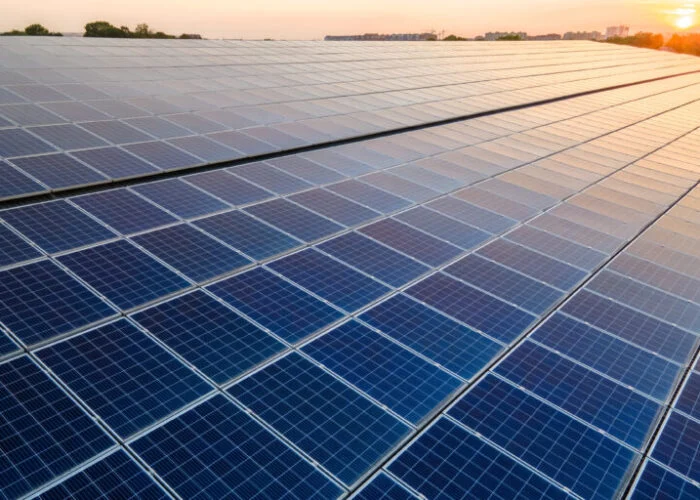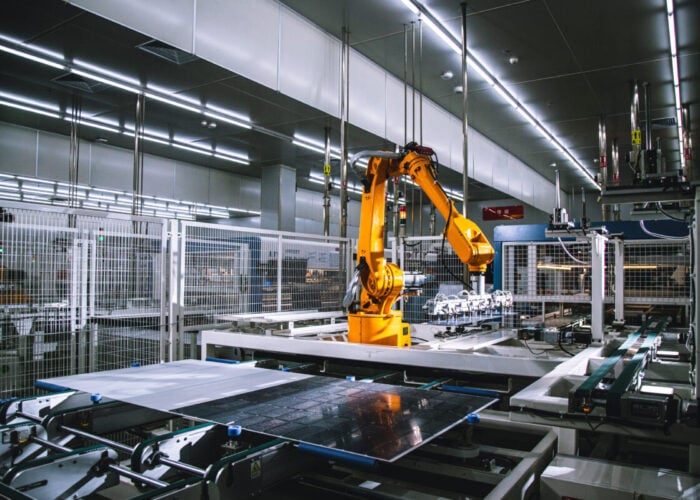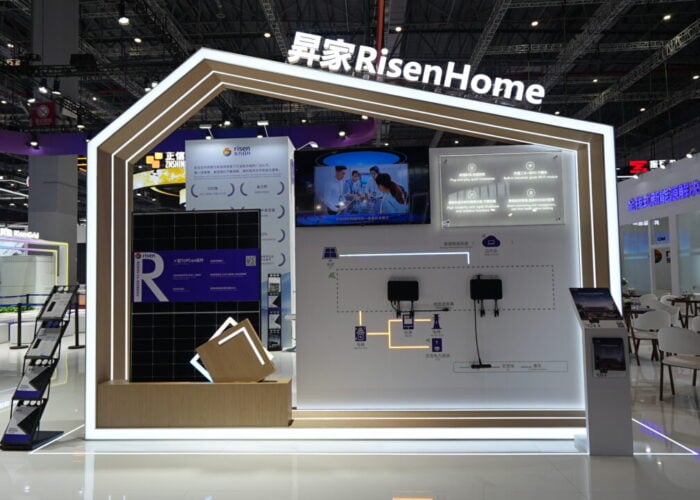
Industry experts, from all the sectors of the solar industry, gathered in Napa for the fifth edition of PV ModuleTech USA earlier this month to discuss module procurement, quality and reliability, as well as co-locating solar PV with energy storage.
Here are some key takeaways from the event, which was predominantly focused on module quality concerns over the two days of the conference, with detailed presentations and engaged participation.
Try Premium for just $1
- Full premium access for the first month at only $1
- Converts to an annual rate after 30 days unless cancelled
- Cancel anytime during the trial period
Premium Benefits
- Expert industry analysis and interviews
- Digital access to PV Tech Power journal
- Exclusive event discounts
Or get the full Premium subscription right away
Or continue reading this article for free
Bring back module quality concerns front and centre
“One of the key takeaways was verify, verify, verify. The biggest issue currently is supply chain verification, especially with the limited availability of compliant cells in the US market,” said Moustafa Ramadan, head of PV Tech Market Research.
“And this emphasis on compliance has shifted focus from other areas, including quality.”
With the first sessions of the first day focusing on the current landscape for module procurement, it seems that the main concern at the moment for the US market is supply chain compliance. PV module quality concerns, although still present, have been pushed aside as the top priority in procurement decisions.
As frequent readers of PV Tech know, the quality and reliability of PV modules have been a recurring topic in the industry over the past few years. Recent reports from Kiwa PVEL and RETC, highlight that module performance remains an issue that keeps growing year after year.
One of the key aspects raised by several speakers during the conference was the importance of continuously raising awareness of current quality concerns and what can be done to resolve them.
Module buyers play an important role in this, as partnerships with manufacturers are more important than ever. This starts with checking that the necessary factory quality assurance in module manufacturing is implemented in order to catch issues early, rather than finding out after the solar panels are installed.
Africa is on the map
When discussing global manufacturing outside of China, the US, or India, much attention has been focused on the Middle East. Many of the manufacturing announcements in this region come from Chinese manufacturers partnering with local entities, which are expected to build gigawatts of solar PV manufacturing facilities, from polysilicon through to modules. Earlier this year, United Solar began production at its Oman polysilicon facility, which, once fully ramped, is expected to have a 40GW annual nameplate production capacity.
However, the reality is that many new solar PV cell or module facilities are being built in Africa, with several countries mentioned during the conference. Egypt and Ethiopia – which is currently facing an anti-circumvention inquiry request – both have operational manufacturing capacity; other countries across the continent were also mentioned, including Kenya.
This is the result not only of manufacturers building new facilities in countries not affected by antidumping and countervailing duty (AD/CVD) measures, but also of manufacturers and module buyers diversifying their supply chains with multiple suppliers and reducing supply risk.
The US goes HJT
In terms of technology, heterojunction (HJT) was frequently discussed at PV ModuleTech USA, with many manufacturers looking to build HJT facilities in the US. This follows recent announcements from Toyo Solar and SEG Solar, which unveiled plans to build a 1.5GW HJT solar cell processing plant and a 4.6GW HJT module assembly plant, respectively. Earlier this year, Canadian Solar announced it would begin producing HJT solar cells at its Jeffersonville plant in March, with a full ramp-up by the end of June.
Up until now, the majority of operational capacity in the US uses PERC technology for one clear reason: patents. Earlier this year, the US International Trade Commission (ITC) launched an investigation into TOPCon solar components in the US, after a complaint from thin-film cadmium telluride manufacturer First Solar.
Still ongoing, the investigation will determine whether TOPCon products sold for importation or sold after importation to the US violate Section 337 of the 1930 Tariff Act and infringe on First Solar’s TOPCon intellectual property. In its investigation, the ITC named 47 respondents from 11 countries.
Manufacturers looking to build domestic capacity have chosen HJT as an alternative to jump to a technology with higher efficiency than PERC.
Moreover, this contrasts with the Chinese market, where the number of manufacturers with HJT modules has decreased, as Tristan Erion-Lorico, vice president of sales and marketing at Kiwa PVEL, recently explained during a discussion of this year’s Module Reliability Scorecard.
“We saw less HJT testing than we have in previous years. Which I think is a story of the issues that Chinese HJT manufacturers are suffering. Last year, we certainly had a handful of HJT manufacturers in China. This year, we’re not seeing any of them.”
Hail isn’t going away
Throughout the two days of the conference and conversations with attendees, PV Tech heard the topic of hail mentioned continually. It remains a concern for projects in the US in hail risk regions, with many manufacturers now offering hail-resistant PV modules.
A 2025 report from climate insurance provider kWh Analytics highlighted that the majority of financial losses (73%) were due to hail damage, even though hail damage accounted for only 6% of total incidents.
It is clear that the solar PV industry in the US faces many challenges; however, the overwhelming sentiment at the conference is that solar PV is essential for the US to achieve energy independence and meet rising electricity demand. The manufacturing announcements show no sign of slowing. PV ModuleTech will be returning to California’s Napa Valley in 2027, where we will hear updates on how these facilities are progressing and supplying the market.