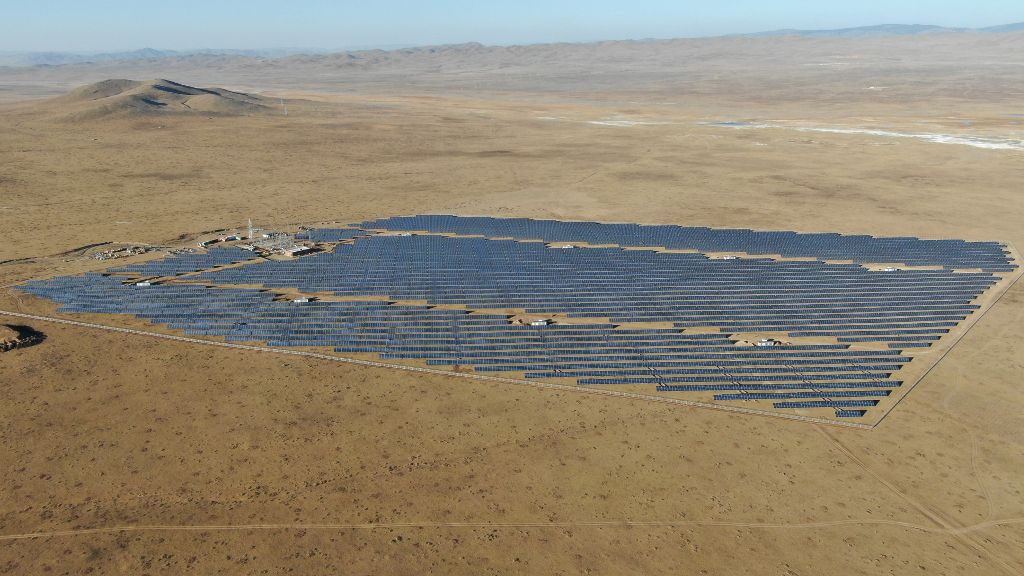
A 15MW solar project is to be built in Mongolia with the financial support of the Asian Development Bank (ADB).
The development financier will supply US$9.6 million of a US$18.7 million loan to the Sermsang Khushig Khundii Solar Project, with the remainder provided by ADB-managed Leading Asia's Private Sector Infrastructure Fund (LEAP).
Try Premium for just $1
- Full premium access for the first month at only $1
- Converts to an annual rate after 30 days unless cancelled
- Cancel anytime during the trial period
Premium Benefits
- Expert industry analysis and interviews
- Digital access to PV Tech Power journal
- Exclusive event discounts
Or get the full Premium subscription right away
Or continue reading this article for free
The project slated for construction in the Khusig valley – just an hour south from Mongolian capital Ulaanbaatar – will generate 22.3GWh in electricity, to be used by the city itself and its new international airport.
Aside from the PV plant, the funds will finance the addition of a 14-kilometre transmission line and upgrades to the neighbouring Khushig substation. Power will be supplied to Mongolian state-owned utility NDC under an already-signed PPA.
The solar project is being developed by Sermsang Power Corporation Public Company Limited and Tenuun Gerel Construction. ADB’s loan aside, the facility secured a technical assistance grant from the Canadian Climate Fund for the Private Sector in Asia.
The scheme will help Mongolia boost renewable capacity as it works towards targets for 2023 (20%) and 2030 (30%), in a bid to decarbonise a coal-heavy energy system that generates 60% of nation-wide greenhouse gas emissions.
This is the first private sector solar project to be backed by the ADB in the Asian country. Last September, the bank signed off US$40 million in loans to support a 41MW distributed solar-wind-storage project.