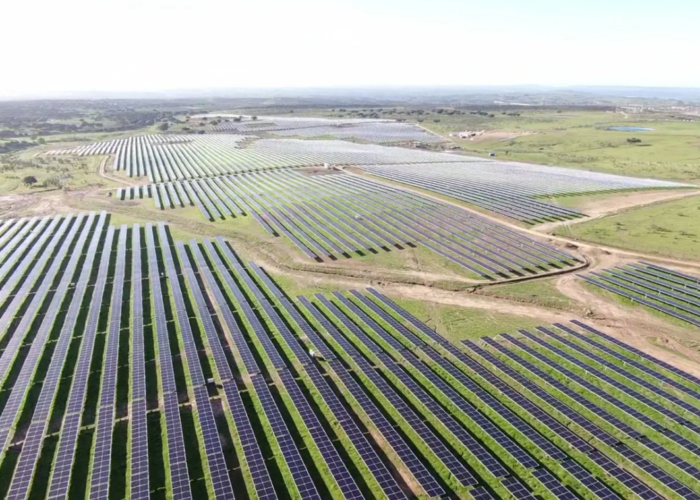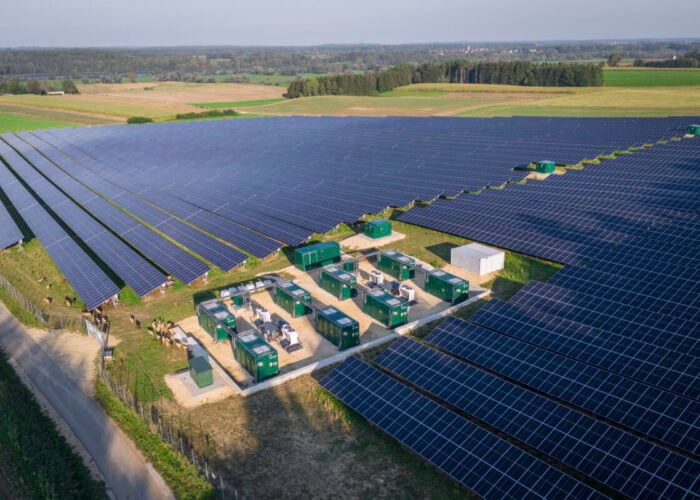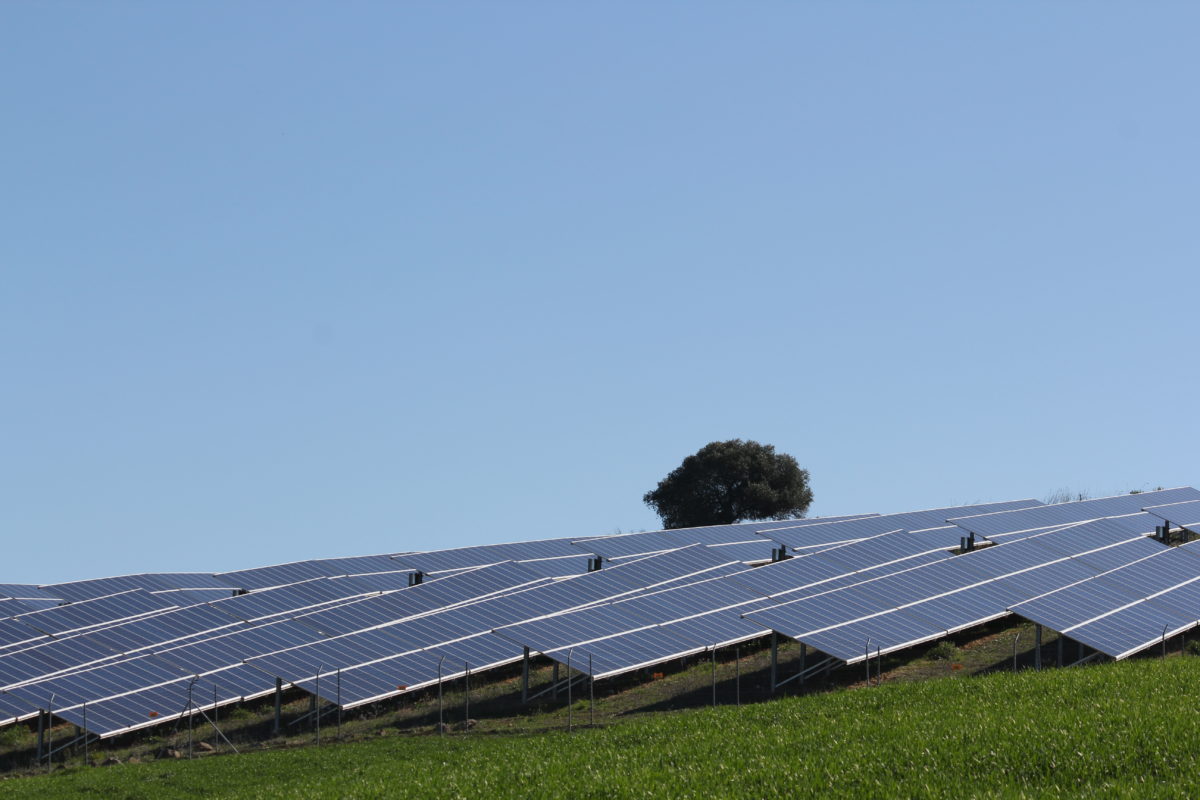
Questions have been raised about the need for Spain to roll out a new renewables auction mechanism to drive up PV installation rates and meet its 2030 green energy targets.
While recognising the significant opportunity that the Spanish PV market presents, some panellists speaking at the Large Scale Solar Europe Virtual Summit event this week urged caution as to the effectiveness of the new auction system.
Try Premium for just $1
- Full premium access for the first month at only $1
- Converts to an annual rate after 30 days unless cancelled
- Cancel anytime during the trial period
Premium Benefits
- Expert industry analysis and interviews
- Digital access to PV Tech Power journal
- Exclusive event discounts
Or get the full Premium subscription right away
Or continue reading this article for free
Spain’s Council of Ministers approved a royal decree earlier this month for the pay-as-bid auctions that will allow hybridisation between technologies and be compatible with energy storage, with at least 1GW of solar PV capacity set to be put up for auction before the end of this year. It is hoped the new auctions will encourage investment and help the country reach 60GW of renewables capacity by 2030.
“We see the auction as an artificial interference on market pricing,” said José Antonio Urquizu, founding partner of Spanish investment firm Everwood Capital. “We see right now that the sector is attractive enough to attract capital and we see that the projects are being built and are being developed on a merchant basis and are being financed also on a merchant basis without any auctions in place.”
Urquizu said the government is doing a “lot of positive things”, such as organising regulatory activity, but believes more resources should be devoted to permitting if the country is to achieve its green energy targets. “We think that the main challenge right now is the speed at which the permitting process is advancing and the blockage in the administration.”
When announcing the new auction model, Spain’s government said it responds to the need to offer a stable framework that attracts investment and encourages economic activity. An indicative calendar foresees a total of around 19.4GW of renewables to be assigned through auctions between now and 2025, with at least 10GW of that capacity to be solar PV.
Fernando de Juan Astray, head of origination and long term products at Axpo Iberia, said there are fears that the auction system sends the wrong signals to the market. With Spain already achieving its installation targets through merchant-based projects, he said: “These auctions are not really necessary.”
With Spain’s last renewables auction taking place in 2017, a more optimistic tone was taken during the panel discussion by Jaime Vázquez, director of regulation at PV project developer X-Elio, who said it is necessary to differentiate between the two different systems.
“There are a lot of similarities, especially on the milestones, but the crucial difference is obviously on the price. The last auction was a very complicated system to come to a price that everybody shared, so it was not really competitive; these auctions on the other side are competitive on price.” Vázquez added that with the auctions based on price, it is similar to having a power purchase agreement negotiated with the government.
Having unveiled the initial schedule this month, Spain is set to update its auctioning calendar annually to ensure the country is on the path to achieving its 2030 climate targets, which includes the installation of 37GW of solar PV.
Ana Barillas, principal at Aurora Energy Research, said that while the auction system will help in providing some stability to Spain’s solar development pipeline, the risk is that “all of the focus turns into the auctions and that there's not enough left for merchant development to mitigate some of the risk”.
Solar Media's Large Scale Solar Europe Virtual Summit concludes today, however there remain ample sessions and networking opportunities to enjoy. All sessions are to remain available on demand throughout the week, and the event's networking opportunities will also remain accessible. For more details on how to attend and participate, click here.