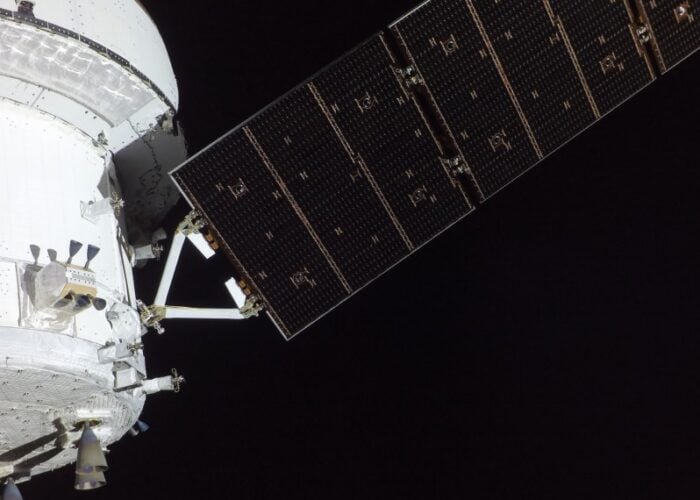
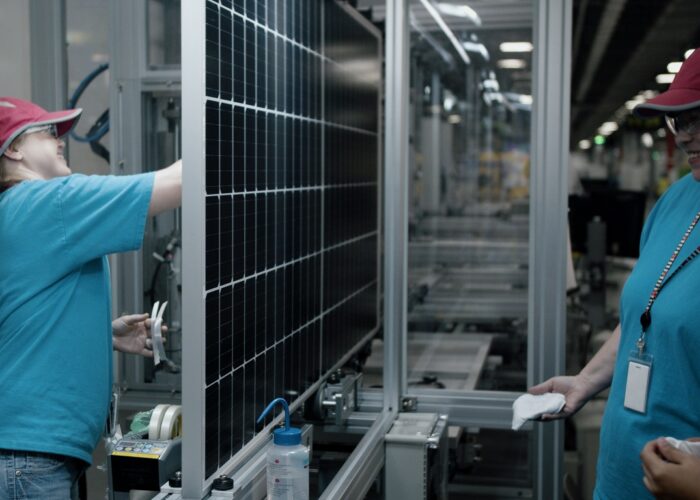
The US Energy Information Administration (EIA) has predicted that renewables will take the largest slice of US electricity generation by 2050, doubling from 19% in 2019 to 38% in 2050.
According to the EIA's latest energy outlook, solar will contribute the most to the renewables surge, tripling from 14% of total clean energy generation to 46% in 2050. By mid-century, solar will overtake wind – which recently overtook hydro – as the leading source of renewable power.
Try Premium for just $1
- Full premium access for the first month at only $1
- Converts to an annual rate after 30 days unless cancelled
- Cancel anytime during the trial period
Premium Benefits
- Expert industry analysis and interviews
- Digital access to PV Tech Power journal
- Exclusive event discounts
Or get the full Premium subscription right away
Or continue reading this article for free
The projections mark a major pivot for the agency, which has long forecast that natural gas would remain the country’s dominant source of electricity over the decades to come.
While last year’s annual outlook put natural gas at 39% and renewables at 31% of the country’s projected energy mix for 2050, the agency now predicts that natural gas generation will be eclipsed by renewables generation at some point after 2045, lagging to 36% of the market mid-century.
According to the IEA, the US will export more energy than it consumes over the next three decades, thanks to increased energy efficiency at home and a growing domestic oil and gas industry.
The report notes that while coal and nuclear will drop in the mid-2020s as a result of retiring generators, generation will stabilise over the longer term at 13% and 12% respectively, as “economically viable plants remain in service.”
US energy-related carbon dioxide emissions will drop in the 2020s, thanks largely to retirements in coal-fired generation capacity and other changes around electricity power.
Emission levels will then pick up moderately in the 2030s due to energy demand from other sectors, in particular transport and industry, remaining just a whisker lower than 2019 levels.
Read the full report here: https://www.eia.gov/outlooks/aeo/
The prospects and challenges of solar's new era in the US will take centre stage at Solar Media's Large Scale Solar USA, scheduled to take place in Austin (Texas) on 23-24 June 2020.