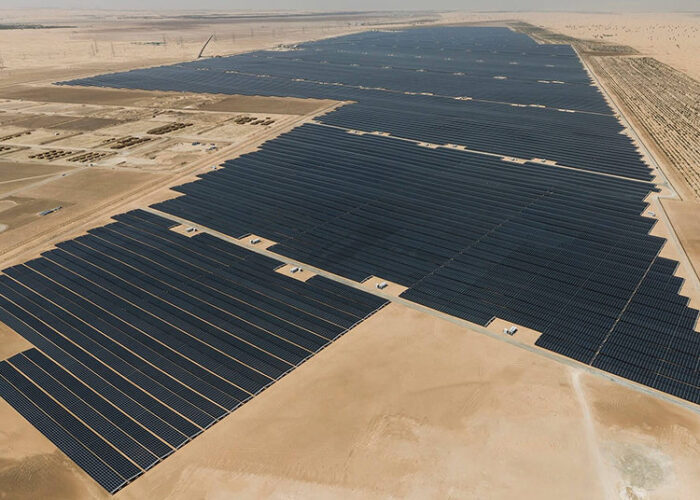
The Gulf countries of the Middle East could reduce their water extraction by 16% and create 200,000 jobs if they meet their 2030 renewable energy targets, according to a new study by IRENA.
IRENA's report, 'Renewable Energy Market Analysis: The GCC Region', claimed that the use of less water-intensive energy sources such as PV would save 11 trillion litres of water. In addition, it would save 400 billion barrels of oil.
Try Premium for just $1
- Full premium access for the first month at only $1
- Converts to an annual rate after 30 days unless cancelled
- Cancel anytime during the trial period
Premium Benefits
- Expert industry analysis and interviews
- Digital access to PV Tech Power journal
- Exclusive event discounts
Or get the full Premium subscription right away
Or continue reading this article for free
According to the study, the region could generate 69,000 jobs in concentrated solar power, 78,000 in utility PV and 30,000 rooftop PV jobs. The latest US solar jobs survey estimated that just under 209,000 people were employed in the sector in 2015.
“The GCC region has long been a global leader in energy production and can further strengthen this role through the development of its vast renewable energy resources,” said IRENA director-general Adnan Z. Amin. “In doing so, the region can reduce carbon dioxide emissions and save precious water resources, all while meeting its fast growing energy needs sustainably.”
The report was released to coincide with the World Future Energy Summit taking place in Abu Dhabi this week.
Also announced during the conference was the investment by Abu Dhabi’s Masdar in a 200MW PV plant in Jordan. The county’s minister of energy and mineral resources, HE Dr Ibrahim Saif, said the project was part of the country’s plans to reduce its carbon footprint and reliance on energy imports.
“We believe the project will stimulate the investment climate for similar renewable energy projects in Jordan and will strengthen out status as a new and important destination for renewable energy investments in the region,” he added.