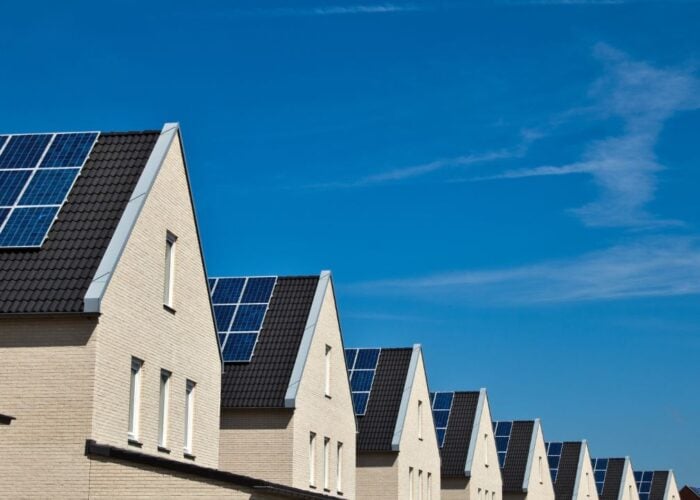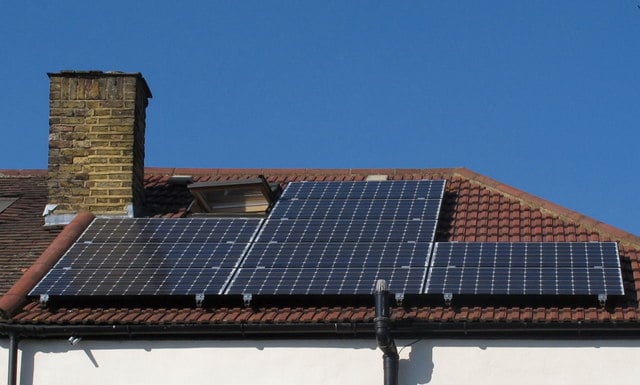
New Hampshire officially passed a bill on Monday that expands the state’s financial incentive for solar by raising the existing cap on net metering.
The bill was initially raised in mid-March, with provisions to lift the cap on energy that both residential and commercial customer-generators of rooftop solar could sell back to the grid from 50MW to 100MW.
Try Premium for just $1
- Full premium access for the first month at only $1
- Converts to an annual rate after 30 days unless cancelled
- Cancel anytime during the trial period
Premium Benefits
- Expert industry analysis and interviews
- Digital access to PV Tech Power journal
- Exclusive event discounts
Or get the full Premium subscription right away
Or continue reading this article for free
The bill, which doubles the cap, was signed by Democratic governor Maggie Hassan on Monday. It also previously contained a provision that requires the New Hampshire Public Utilities Commission (PUC) to initiate a proceeding to develop alternative net metering tariffs.
Regarding that second mandate in the bill, the Commission is considering the costs and benefits of customer-generated facilities, together with rate effects on all customers and whether there should be a limitation on the amount of generating capacity eligible for such tariffs, according to reported statements. The Commission also made it clear that the tariffs should be developed as soon as possible; setting an end of the year deadline for the implementation of the alternate measures.
The bill directs that: “If any utility reaches any cap for net metering…before alternative tariffs are approved or adopted…customer-generators may continue to interconnect under temporary net metering tariffs under the same terms and conditions as net metering under the 100 MW cap, except that such customer-generators shall transition to alternative tariffs once they are approved or adopted for their utility…”
Regardless, the lifting of the cap has been cited as essential to the continued success of New Hampshire’s solar industry by Hassan, and thus is greatly welcomed. The bill helps create local jobs by expanding the remit of net metering, with the state’s approach to the tariff now being analysed by the Commission over a 10-month period.
The Alliance for Solar Choice (TASC) praised the measure. “We commend Governor Hassan's support for net metering, continued energy choice and solar job growth in New Hampshire,” said Susan Glick, senior manager of public policy for Sunrun and spokesperson for The Alliance for Solar Choice (TASC). “Now the Commission must follow through with a transparent study process to sustain stable policy and long-term solar growth.”
The state is just one of 25 which have begun reconsidering their net metering policies, in light of the increase in the price of electricity to utility customers.
To much backlash, Californian regulators voted to maintain the state’s existing policy in January, but also added some fees to solar users to offset some of the costs of maintaining the grid. In contrast, neighbouring Nevada decided to phase out its programme over 12 years. In Arizona, regulators decided to reduce the rates paid for surplus solar power sold to the state’s utilities.
The response across the States so far has highlighted the importance of government support for the continued existence of solar, despite decades of subsidies.
According to the bill, New Hampshire’s study process will begin within the next few weeks.