The World Bank announced last week that its Board of Executive Directors approved the Second Energy Sector Project, which will help strengthen Mongolia’s electric grid and develop a 10MW installation within the country.
The project will contribute US$54.4 million in financing to help the Mongolian government upgrade its energy distribution services by retooling aging assets and expanding distribution capacity.
Try Premium for just $1
- Full premium access for the first month at only $1
- Converts to an annual rate after 30 days unless cancelled
- Cancel anytime during the trial period
Premium Benefits
- Expert industry analysis and interviews
- Digital access to PV Tech Power journal
- Exclusive event discounts
Or get the full Premium subscription right away
Or continue reading this article for free
James Anderson, World Bank country manager for Mongolia, said: “More reliable access to electricity will improve the lives of families and help businesses thrive. The World Bank is committed to continuing our partnership with Mongolia to strengthen the power sector and explore options for renewable energy to help the country pursue sustainable development.”
The Second Energy Sector Project will finance investments to upgrade and expand the capacity of power distribution infrastructure in the Baganuur-Southeast and the Erdenet-Bulgan distribution network – which provides energy to nine of Mongolia’s 21 provinces.
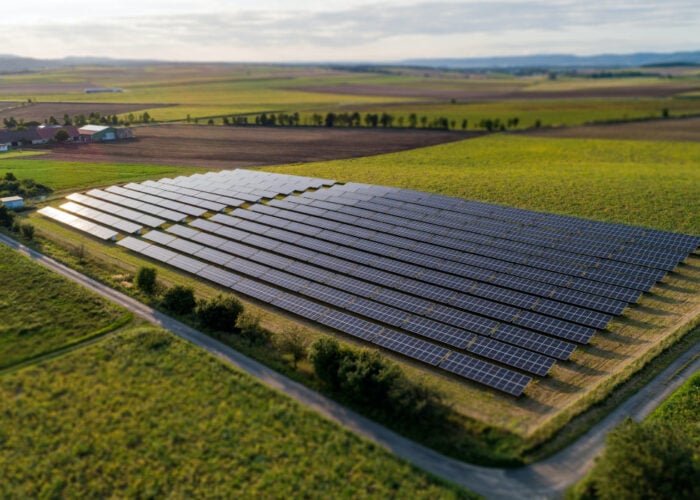
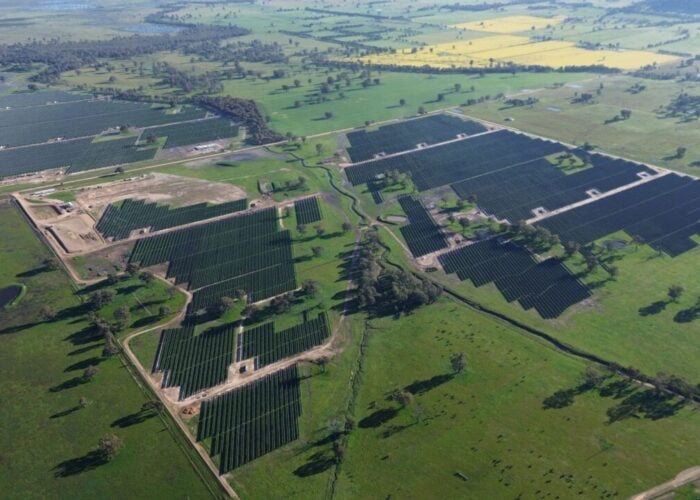
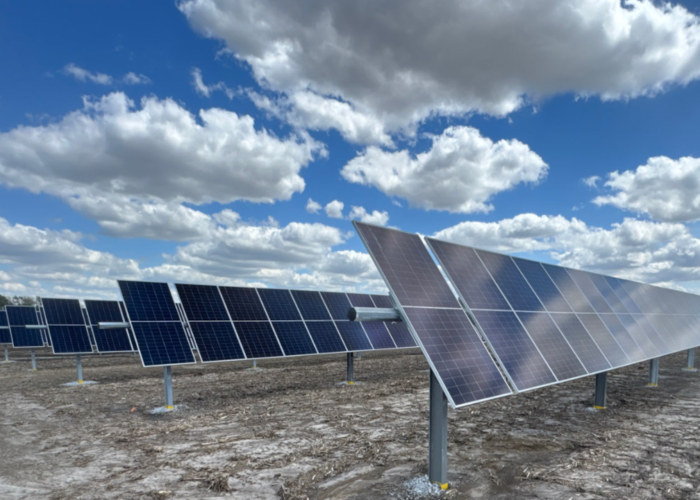
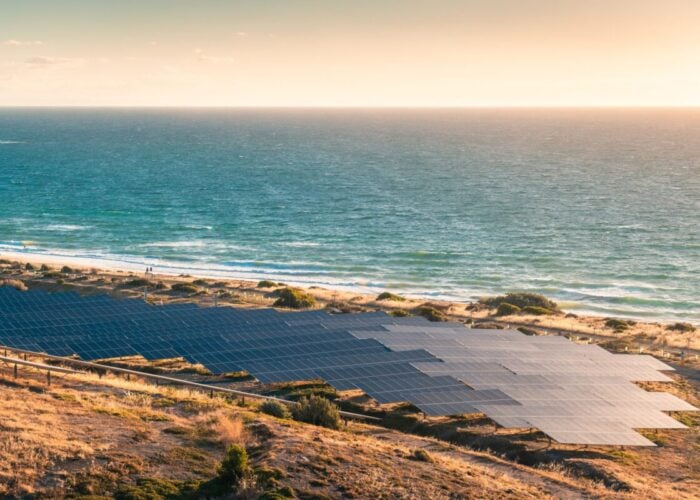
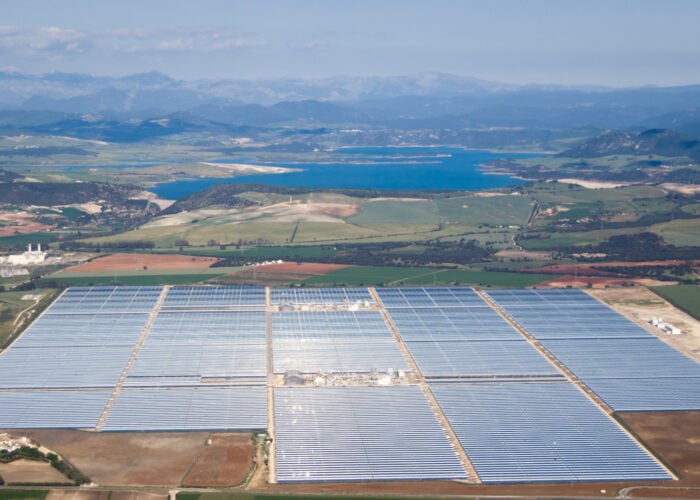
The project will also help design and build the first large-scale PV project in Mongolia, a 10MW installation outside the Central Energy system. The plant will supply affordable and clean energy to the country’s western region, which currently imports 70% of its power supply.
Peter Johansen, senior energy specialist of the World Bank, said: “We are encouraged by the government’s target to increase the share of renewables to 30% by 2030. With its abundant solar and wind power resources, the country is now considering to more effectively and efficiently incentivize renewable energy investment to fully use its potential.”
The Second Energy Sector Project will be funded by a US$42 million loan on concessional terms from the World Bank’s International Development Association and a US$12.4 million grant from the Scaling-Up Renewable Energy Program under the Strategic Climate Fund.