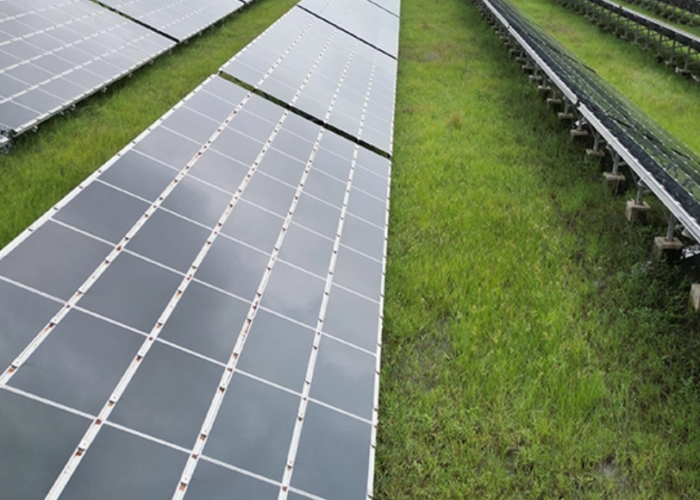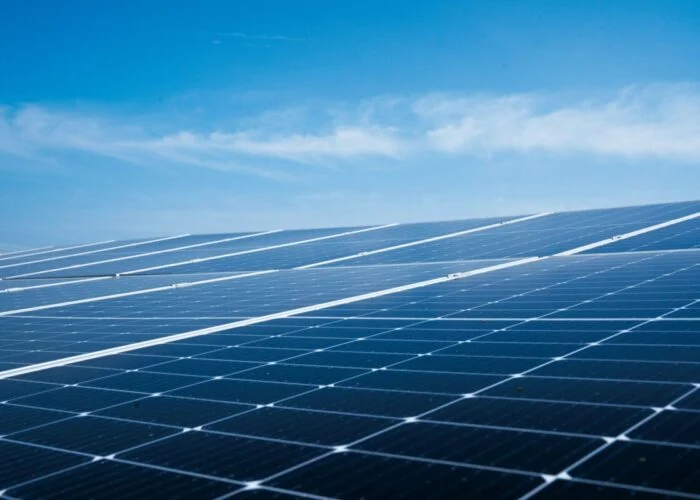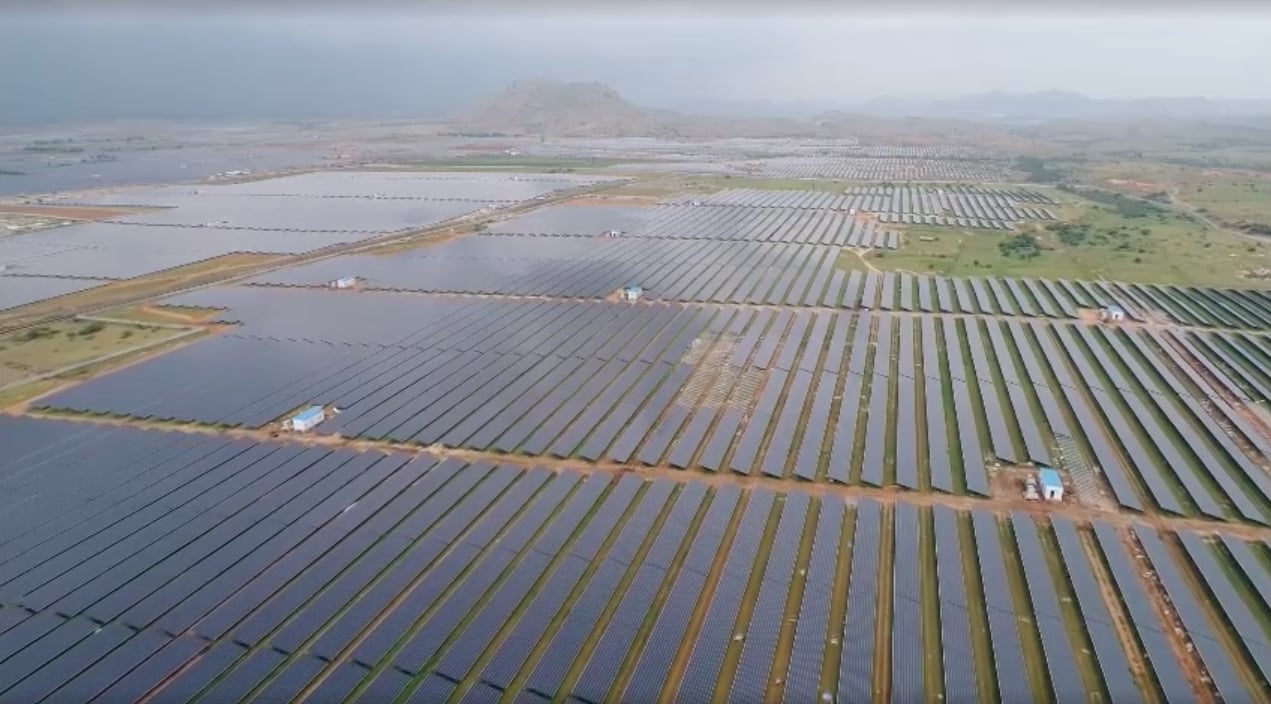
The first 600MW phase of the world’s largest solar park, standing at 2GW(AC) capacity at the Pavagada Solar Park in the Indian state of Karnataka, will be inaugurated today.
Karnataka’s energy minister DK Shivakumar said on Twitter that the project had been conceptualised, planned and built in three years. The remaining capacity of the project is expected to be completed by the end of the year.
Try Premium for just $1
- Full premium access for the first month at only $1
- Converts to an annual rate after 30 days unless cancelled
- Cancel anytime during the trial period
Premium Benefits
- Expert industry analysis and interviews
- Digital access to PV Tech Power journal
- Exclusive event discounts
Or get the full Premium subscription right away
Or continue reading this article for free
The INR165 billion (US$2.53 billion) mega park, now named 'Shakti Sthala', involved a unique lease programme that had not been seen in India before, where the government took on a long-term lease from the farmers that owned the land. As part of the project, 2,300 farmers are now eligible to INR21,000 (US$322) rental per acre, according to a government video. There is also a 5% upward revision in this rent every two years.
Mudit Jain, consultant at Bridge to India, told PV Tech that in some states where land is leased out directly from farmers to the project developers, there is an “inherent fear” that if the farmer cancels the lease a few years later then that plant is in jeopardy.
Jain added: “A unique thing and brilliant thing that has been tried in this park is that the government has taken the lease from the farmers – a very strong lease which can't be broken by the farmer – and then this land is then leased back to the developers.
“In that scenario the farmer will still possess the land after the plant life and the total cost is also fragmented over the years rather than being charged everything up front.”
The project has not been without hiccups and delays. For example, early last year, Indian utility NTPC had to retender 250MW at the park after infrastructural issues dampened the interest of developers to participate.
However, in the grand scheme of things, Jain said that only a very few months have been lost and delays around transmission and synchronisation are common, so the project has been carried out very successfully.
The vast park also spans 5,261 hectares across an area which the government said had faced several decades of drought and crop failures and had seen thousands of farmers migrating each year with lower rainfall and power shortages.
Last month, Shivakumar said: “Projects like our 2,000MW Pavagada Solar Power Park, the largest in the world – will change the landscape of power generation, putting Karnataka at the cutting edge of sustainable energy.”
The solar park infrastructure was developed by Karnataka Solar Power Development Corporation Limited (KSPDCL), a joint venture between Solar Energy Corporation of India (SECI) and Karnataka Renewable Energy Development Limited (KREDL). The 2GW(AC) of capacity has been separated into eight sections of 250MW.
NTPC was in charge of the majority of tendering, with SECI and KREDL carrying out the remainder.
Below is the video posted by Shivakumar today:
In our quest for #NavaKarnatakaNirmana, the World's Largest Solar Park of 2000MW capacity will be inaugurated at Pavagada today
This mega project was conceptualized, planned & built in just 3 yrs & is testament of our commitment towards development#WorldLargestSolarParkbyINC pic.twitter.com/FbR0cLvYqw
— DK Shivakumar (@DKShivakumar) March 1, 2018
Article updated to note that only the first 600MW phase of the park has been completed and inaugurated.