The New South Wales (NSW) government has approved the 15MW Good Earth Green Hydrogen and Ammonia project in Moree, Australia.
The facility is set to become one of the state’s first large-scale green hydrogen production plants powered by an expanded solar installation.
Try Premium for just $1
- Full premium access for the first month at only $1
- Converts to an annual rate after 30 days unless cancelled
- Cancel anytime during the trial period
Premium Benefits
- Expert industry analysis and interviews
- Digital access to PV Tech Power journal
- Exclusive event discounts
Or get the full Premium subscription right away
Or continue reading this article for free
The AU$71.6 million (US$50 million) project, developed through a joint venture between Hiringa Energy and Sundown Pastoral Company, reached financial close in July 2025 and is now under construction at the Wathagar Cotton Gin facility, approximately 33km southwest of Moree in northern New South Wales.
The facility is expected to become fully operational in early 2027, producing up to 2,200 tonnes of hydrogen annually through a 15MW alkaline electrolysis system.
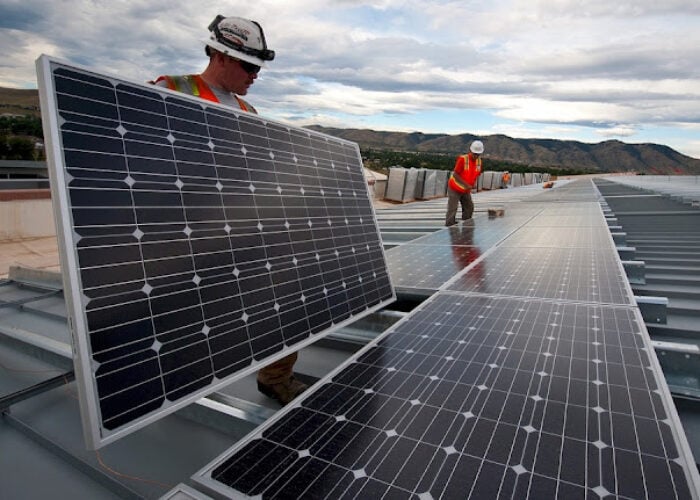
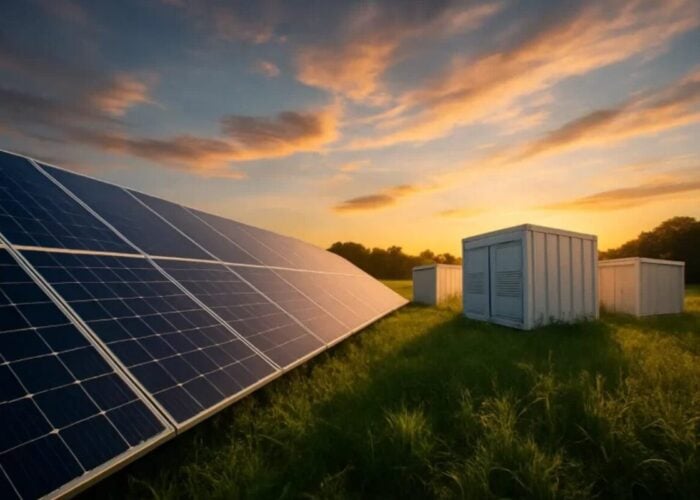
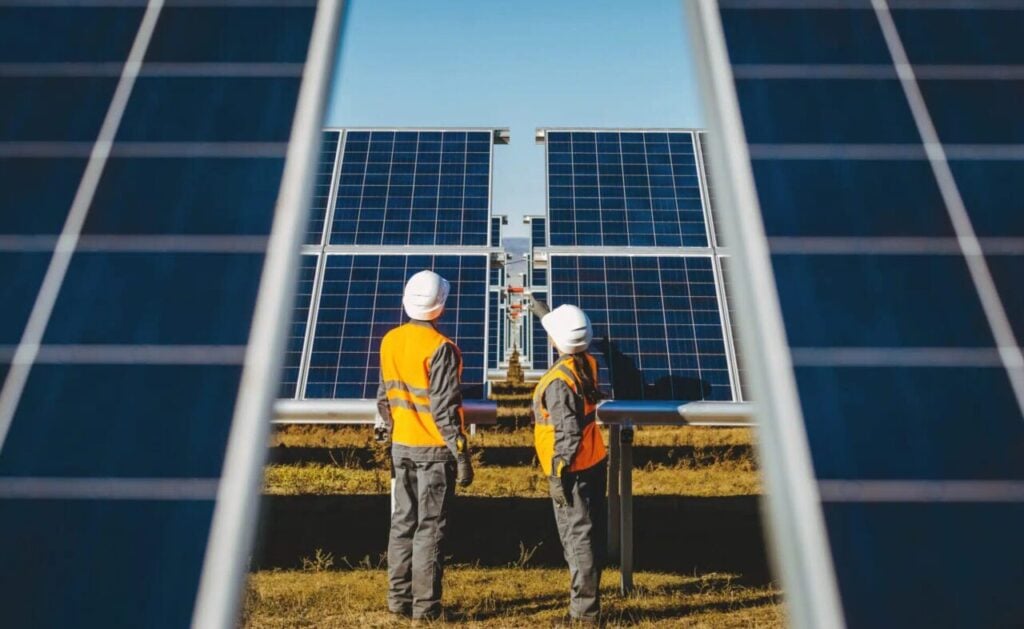
Central to the project’s renewable energy credentials is the expansion of solar generation capacity at the Wathagar site. The hydrogen and ammonia production facility will be powered by an existing 8.65MW solar PV power plant at the cotton gin, supplemented by a new 27MW solar installation adjacent to the site.
The expanded solar infrastructure will be backed by a 30MWh battery energy storage system, ensuring a consistent power supply for the electrolysis process despite renewable energy variability.
Minister for Energy and the Environment Penny Sharpe emphasised the project’s role in demonstrating renewable energy applications in traditionally difficult-to-decarbonise sectors.
“The Good Earth Green hydrogen and Ammonia project demonstrates how renewable energy is helping reduce emissions in sectors like agriculture that are traditionally difficult to decarbonise,” Sharpe said.
The facility will also produce up to 4,500 tonnes of low-carbon ammonia annually, primarily serving Sundown Pastoral’s Keytah cotton farm and ending its reliance on diesel and fossil-fuel-produced fertiliser.
The project represents a practical application of solar PV and wind, forming the foundation of Australia’s National Hydrogen Strategy.
Decentralised production model addresses regional agricultural needs
The Good Earth project introduces a decentralised approach to ammonia production that could reshape how agricultural inputs are supplied across regional Australia.
Rather than relying on large, centralised facilities and long-distance transportation, the Moree installation will produce ammonia locally for immediate use by surrounding farming operations, reducing both emissions and logistics costs.
Minister for Planning and Public Spaces Paul Scully highlighted the dual benefits of the approach.
“This is a project that will power the regional economy while helping NSW move towards a cleaner, more resilient energy future,” Scully said.
“Innovations like this, which not only replace the use of traditional fossil fuels but cut the need for lengthy transportation, are an exciting sign of how industry is evolving to support more sustainable outcomes.”
The facility’s design reflects the seasonal nature of agricultural demand, incorporating up to 600 tonnes of ammonia storage capacity to buffer against both seasonal fertiliser requirements and renewable energy variability.
Additionally, the project will supply approximately 224 tonnes of hydrogen directly for on-farm applications, including displacing diesel in irrigation pumping systems.
This localised production model contrasts with recent developments in Australia’s hydrogen sector, where some major players have withdrawn from large-scale hydrogen projects to focus on renewable energy and energy storage, while others have exited multi-gigawatt wind, solar and green hydrogen developments in favour of smaller, more targeted applications.
Government investment supports commercial-scale hydrogen supply chain
The NSW government has committed AU$45.2 million to the project, including AU$35.8 million awarded through the NSW Hydrogen Hubs initiative in March 2023.
This investment forms part of broader efforts to establish commercial-scale green hydrogen and ammonia supply chains across the state, with the Moree facility serving as a demonstration of integrated renewable energy and hydrogen production.
The project is expected to create at least 60 jobs during construction and 10 permanent positions once operational, contributing to regional economic development while establishing technical expertise in hydrogen production.
As the facility moves toward its 2027 operational target, it is expected to provide insights into the commercial viability of decentralised hydrogen production powered by dedicated solar installations, potentially informing similar developments across Australia’s agricultural regions.