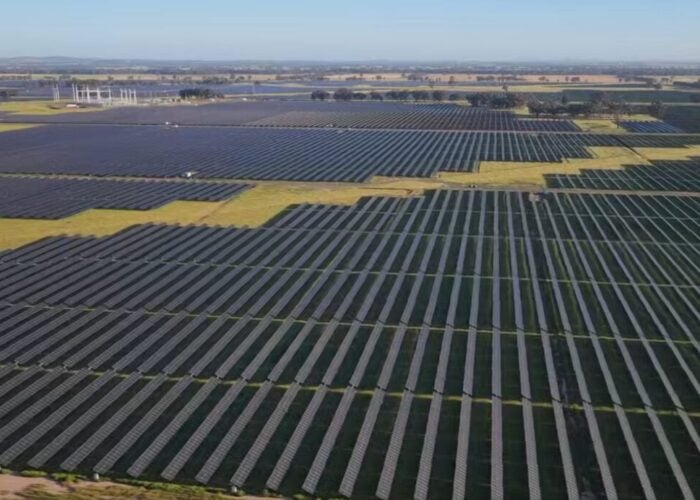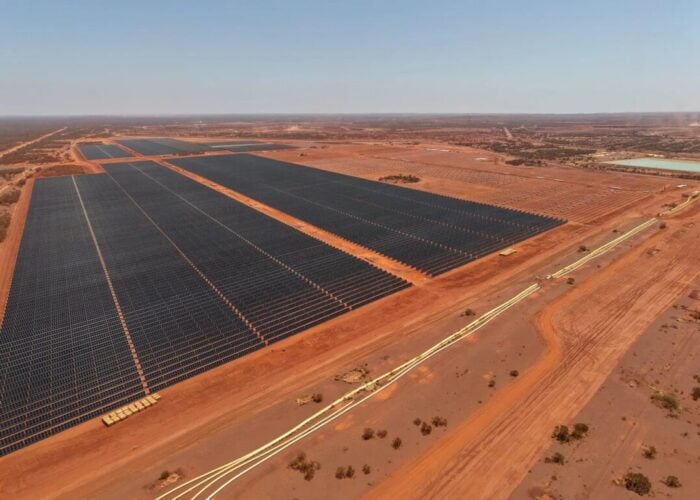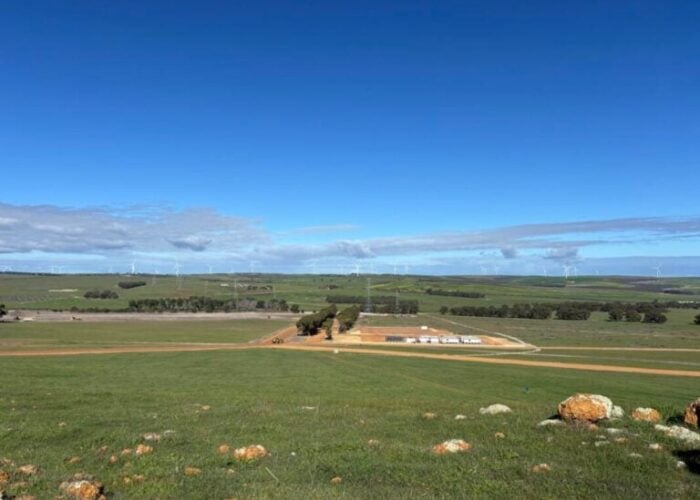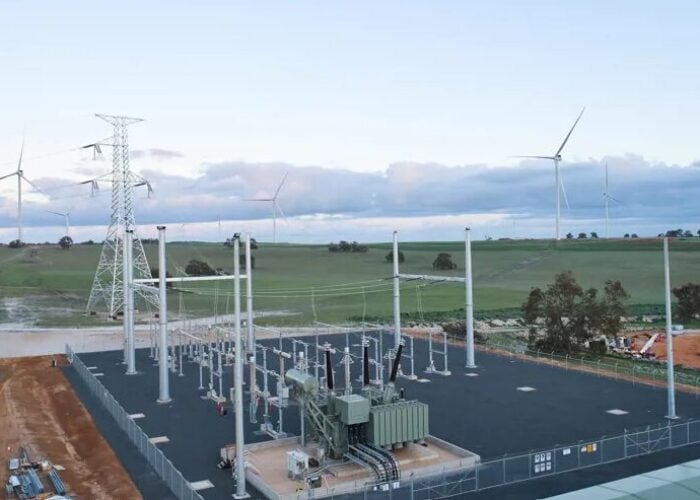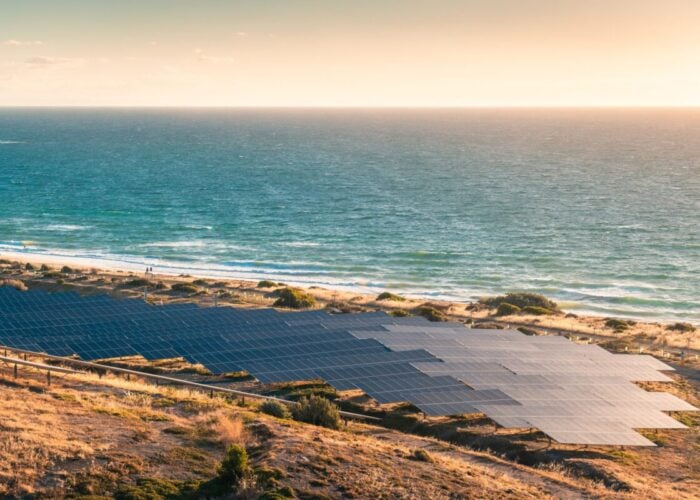
New South Wales (NSW) has committed to deploying 17.7GW of solar, wind and storage over the next decade, in order to replace retiring generators and hit net-zero emissions by 2050.
Three renewable energy zones – in Central-West, New England and South-West – will be the epicentre of the build-out, according to a new zero-emissions roadmap published by the state's coalition government over the weekend.
Try Premium for just $1
- Full premium access for the first month at only $1
- Converts to an annual rate after 30 days unless cancelled
- Cancel anytime during the trial period
Premium Benefits
- Expert industry analysis and interviews
- Digital access to PV Tech Power journal
- Exclusive event discounts
Or get the full Premium subscription right away
Or continue reading this article for free
Dubbed ‘Net Zero Plan Stage 1: 2020-2030’, the document notes that the rural renewables zones could spur AU$23 billion (US$14.1 billion) of private sector investment and create about 2,000 construction jobs annually.
Transmission infrastructure will be expanded to those three regions, it notes.
The Central-West region was identified by the state government as the location for the pilot renewable energy zone in an electricity strategy published in late November, when it was earmarked for 3GW of renewables development.
The emission-slashing roadmap is the “most comprehensive, full-funded plan in Australia,” according to a statement by Minister for Energy and Environment Matt Keen.
The state and federal governments will invest almost AU$2 billion (US$1.21 billion) over the next ten years, he said, in order to move NSW towards its goal of reducing emissions by 35% in 2030 compared to 2005.
The government claims that the planned renewables build-out will work with a raft of other energy savings and efficiency schemes, which the plan predicts will slash household energy bills by as much as AU$40 (US$24.68) a year.
The plan also revealed that NSW has doubled its 2024 solar target from 55,000MWh to 126,000MWh.
The minister noted that the plan should “not be seen as the final word on emissions reduction between 2020 and 2030, but a foundation on which we will build” given the potential for “new opportunities, inconceivable today”.