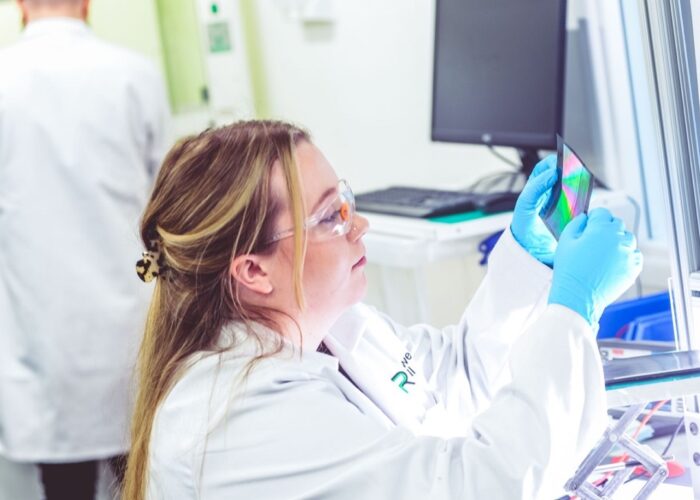
PV Tech Premium spoke to Neil Spann, CEO of Power Roll, about the UK company’s new architecture designed to house solar-absorbing materials such as perovskite and the vision of a gigafactory in northeast England.
PV Tech Premium spoke with Chris Hopper, co-founder and CEO at Aurora Solar about the advantages of using AI-powered software to streamline the process of installing solar panels.
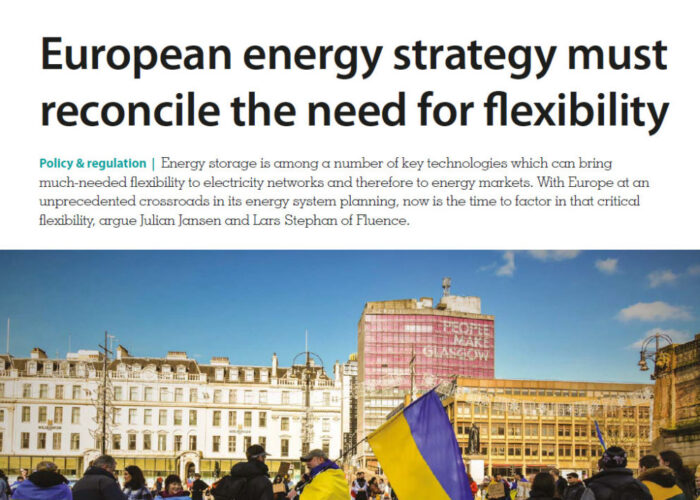
Energy storage is among a number of key technologies which can bring much-needed flexibility to electricity networks and therefore to energy markets. With Europe at an unprecedented crossroads in its energy system planning, now is the time to factor in that critical flexibility, argue Julian Jansen and Lars Stephan of Fluence.
Sky-high electricity prices and an increasing urgency to curb fossil fuel led to a surge in European solar additions last year. Jules Scully charts how the continent’s ongoing energy crisis is affecting EU renewables policy and PPA appetite.
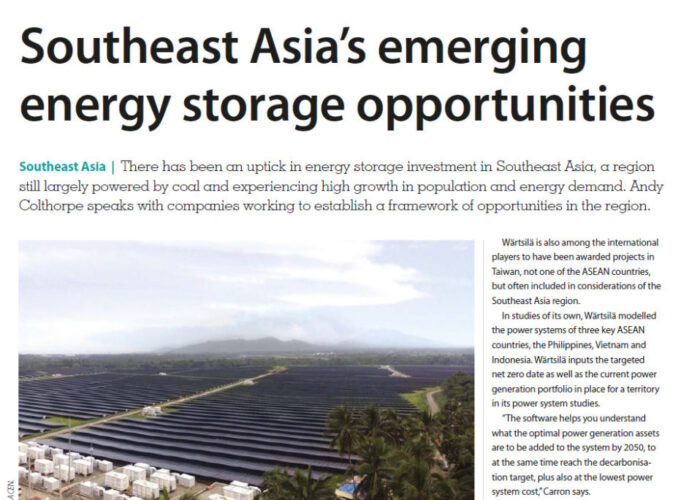
There has been an uptick in energy storage investment in Southeast Asia, a region still largely powered by coal and experiencing high growth in population and energy demand. Andy Colthorpe speaks with companies working to establish a framework of opportunities in the region.
Concerns have been raised that the US solar industry’s reputation could be impacted by underperforming assets if investors do not see their return profiles being realised several years down the line.
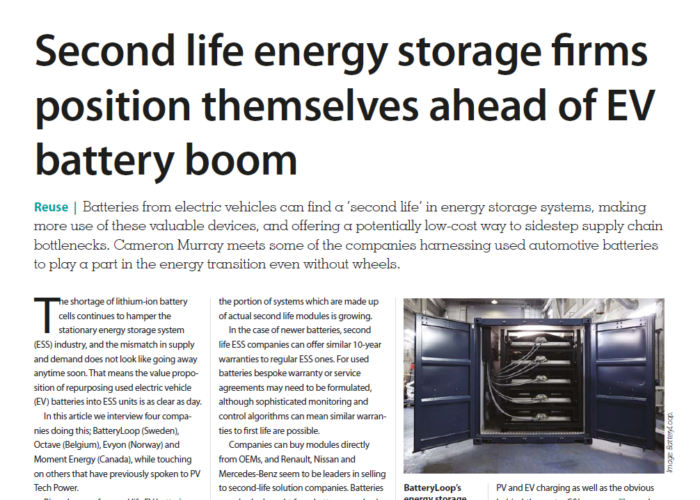
Batteries from electric vehicles can find a ‘second life’ in energy storage systems, making more use of these valuable devices, and offering a potentially low-cost way to sidestep supply chain bottlenecks. Cameron Murray meets some of the companies harnessing used automotive batteries to play a part in the energy transition even without wheels.
Electric vehicles are batteries on wheels, and often with quite large batteries too. Bidirectional charging means vehicle-to-grid and vehicle-to-building are technologically feasible, but barriers to adoption include manufacturer warranties and customer acquisition. Cameron Murray meets three companies taking a practical approach to scaling their V2X propositions.
NovaSource co-founder discusses creating a data-led solution to draw asset owners away from in-house O&M, as well as how the firm will use its new capital from OMERS.