With numerous markets reporting problems with overly optimistic P50 estimates, attention has also been drawn to similar issues with PAN files. TÜV Rheinland’s Yating Zhang and Christos Monokroussos discuss the subject at length.
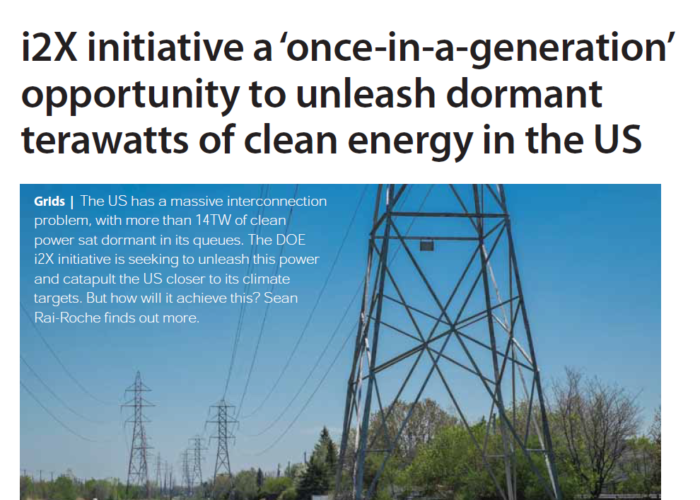
The US has a massive interconnection problem, with more than 14TW of clean power sat dormant in its queues. The DOE i2X initiative is seeking to unleash this power and catapult the US closer to its climate targets. But how will it achieve this? Sean Rai-Roche finds out more.
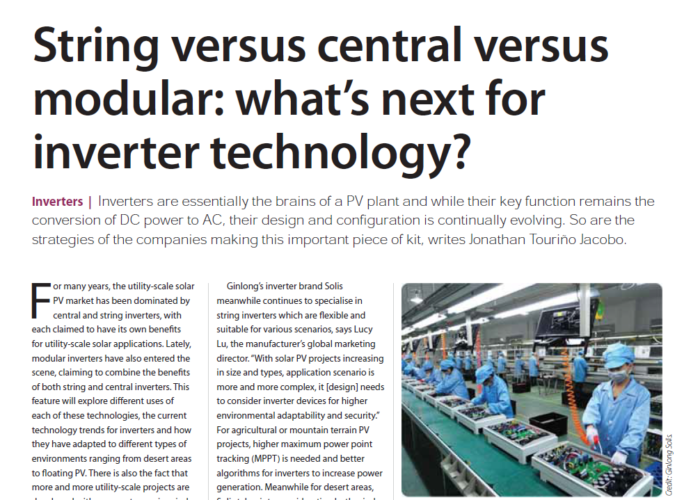
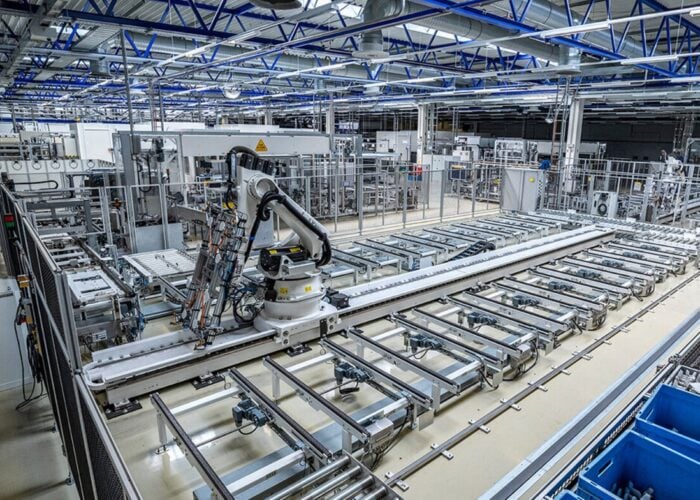
Inverters are essentially the brains of a PV plant and while their key function remains the conversion of DC power to AC, their design and configuration is continually evolving. So are the strategies of the companies making this important piece of kit, writes Jonathan Touriño Jacobo.
US solar and storage developer Avantus is scaling up a strategy of deploying high-capacity factor power plants that aim to maximise transmission infrastructure while limiting curtailment.
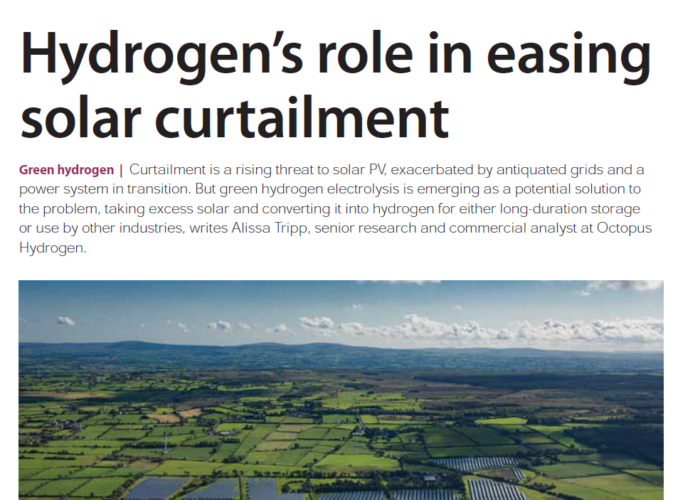
Curtailment is a rising threat to solar PV, exacerbated by antiquated grids and a power system in transition. But green hydrogen electrolysis is emerging as a potential solution to the problem, taking excess solar and converting it into hydrogen for either long-duration storage or use by other industries, writes Alissa Tripp, senior research and commercial analyst at Octopus Hydrogen.
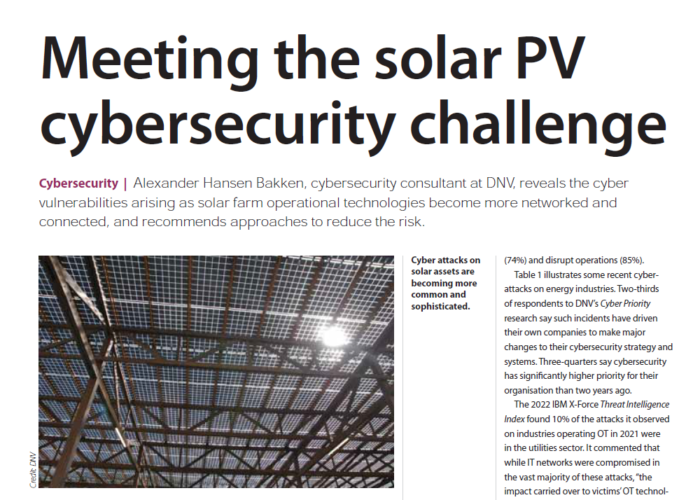
Alexander Hansen Bakken, cybersecurity consultant at DNV, reveals the cyber vulnerabilities arising as solar farm operational technologies become more networked and connected, and recommends approaches to reduce the risk.
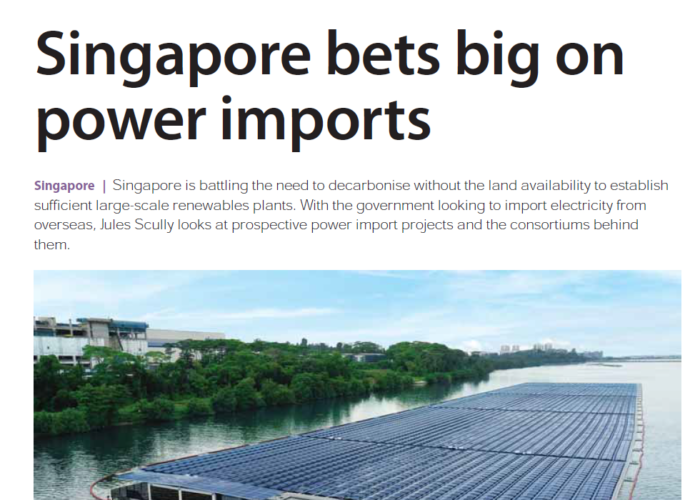
Singapore is battling the need to decarbonise without the land availability to establish sufficient large-scale renewables plants. With the government looking to import electricity from overseas, Jules Scully looks at prospective power import projects and the consortiums behind them.
The way that solar companies use and consume intelligence needs to change, with more accurate and reliable data on project deployment needed, especially in light of the recently passed Inflation Reduction Act (IRA).