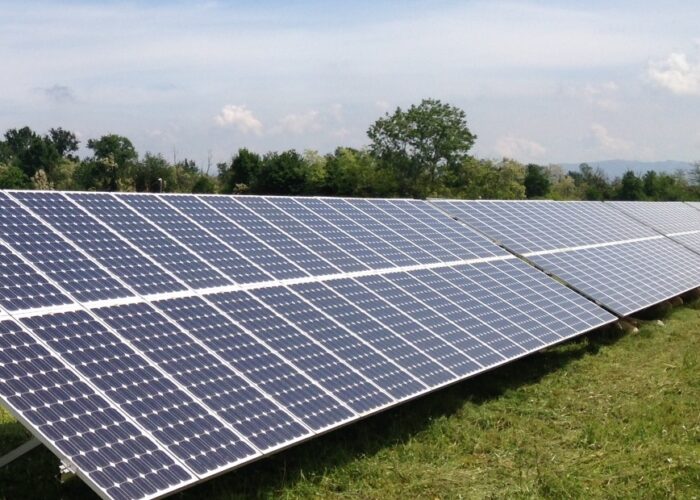
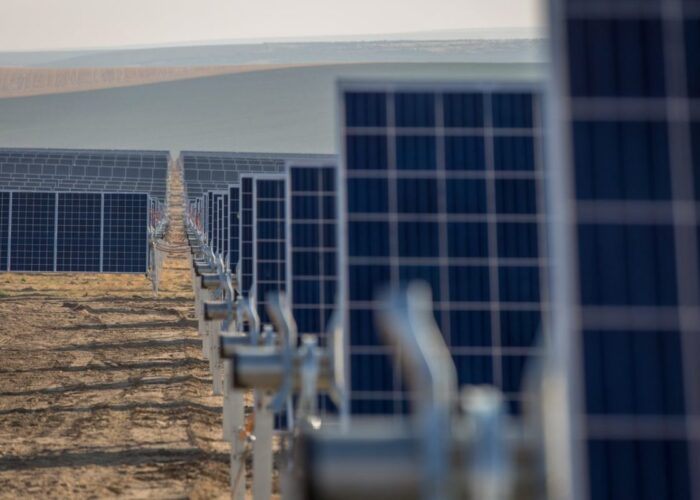
Swiss fund manager SUSI Partners is exploring PV-plus-storage investment opportunities, building on a string of announcements in recent months that have seen it bolster its utility-scale solar position in markets such as Poland and Italy.
As the tragedy of war unfolds in Europe, PV Tech looks at some of the ways it might impact Europe’s power market, European transmission systems and the role of renewables in reducing dependence on dirty fuels.
Last year analysis by renewables performance aggregator and insurance provider kWh Analytics highlighted the extent of solar asset underperformance against P50 estimates in the US. Here, the company’s Sarath Srinivasan details some of the reasons behind that underperformance.
Solar wafer prices have continued rise this week, with the latest pricing indications in China contributing towards a price increases of between 10.8 – 14.4% since the start of the year.
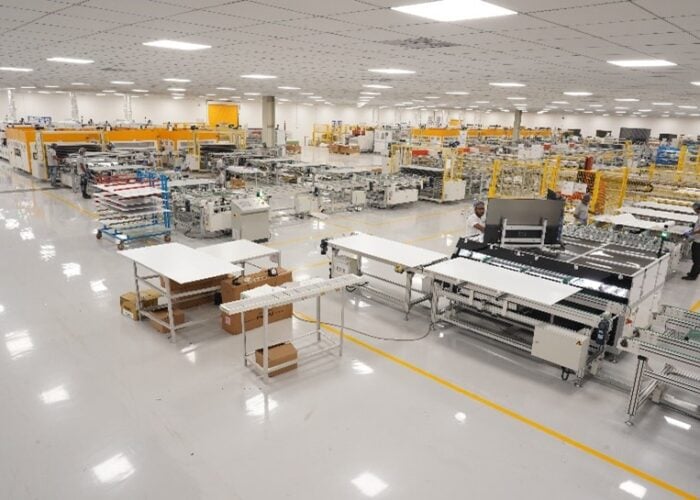
Indian module manufacturer Waaree Energies is taking advantage of rising interest in its products from export markets as it looks to maintain a full order book, the company’s CEO has said.
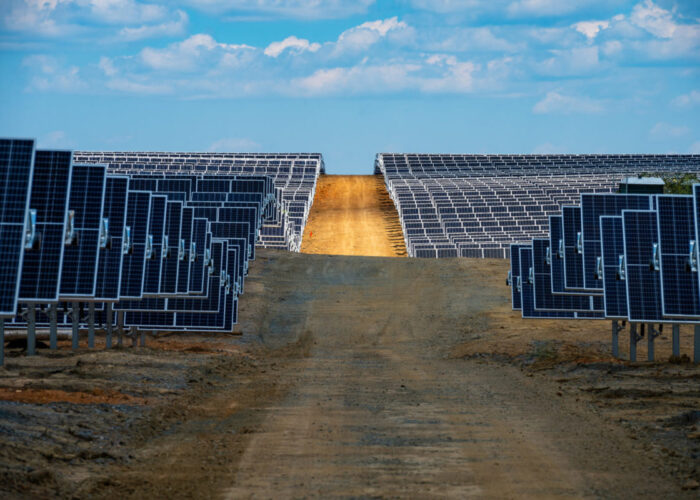
As polysilicon prices rise once again, Liam Stoker explores the potential for polysilicon facilities to start in new geographies, the issues surrounding equipment and a skilled workforce and what else is vital to more regionalised PV manufacturing.
Delays in the shipping industry have likely peaked already, with the turnaround time for containers likely to fall month after month moving further into 2022. While the price of moving containers from China to Europe and the US remains very high, they have come down slightly since last year.
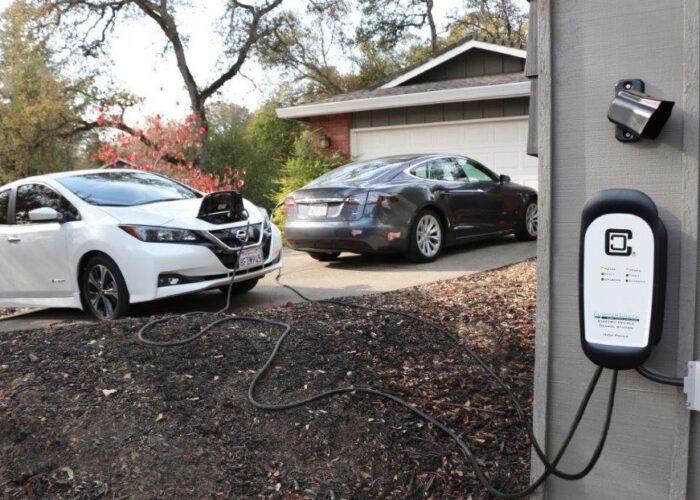
Having completed its entry into the electric vehicle (EV) sector, microinverter supplier Enphase Energy is now accelerating efforts to develop bi-directional charging to offer a package that benefits homeowners and its installer partners while easing pressure on the grid.
PV Tech Premium sat down with Pexapark's head of quantitative products following the release of the advisory firm's European PPA Market Outlook 2022 report that predicted “fundamental changes” to European PPA markets.