Poor solar PV project quality can increase the levelised cost of energy of a PV system by more than 20%, according to a report by HelioVolta.
This is one of the highlights from the fourth annual SolarGrade PV Health Report by the independent provider of field inspections and technical services for solar PV and energy storage projects, which assessed quality and workmanship across more than 1,500 solar assets in the US and Puerto Rico with a combined 8GW of PV assets.
Try Premium for just $1
- Full premium access for the first month at only $1
- Converts to an annual rate after 30 days unless cancelled
- Cancel anytime during the trial period
Premium Benefits
- Expert industry analysis and interviews
- Digital access to PV Tech Power journal
- Exclusive event discounts
Or get the full Premium subscription right away
Or continue reading this article for free
Projects inspected in the report were graded based on the company’s HelioVolta Quality Standard with a maximum of 1,000 points that gets reduced based on the number, severity and status of issues documented by HelioVolta, while points deducted are set on a percentile basis that varies by project size.
This means that projects that were graded an F (with 599 points or less) had the highest financial impact and could incur an LCOE increase of 21%. Projects with more than 100 points lost and graded B would be affected by a 7% increase in LCOE.
The majority of inspected projects (87%) had major issues requiring urgent corrective action, while nearly one in ten (8%) had critical issues requiring immediate de-energisation.
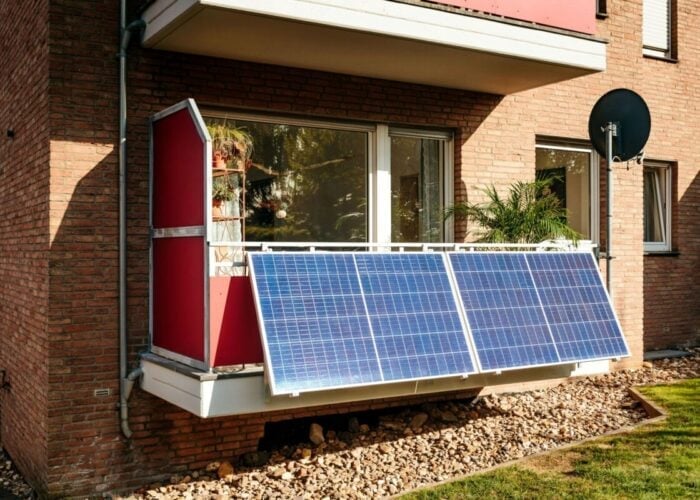
Across the different types of systems analysed in the report – rooftop, ground-mount, tracker and canopy – tracker systems registered the highest percentage of critical issues with 18%, while rooftop and ground-mounted ones had 8% and 4%, respectively. HelioVolta added that critical issues in tracker systems are largely due to failures in connector and wire management.
“Our modelling reveals that the gap between an A-rated and an F-rated PV system can raise the levelised cost of energy by more than 20%,” said James Nagel, co-founder and CTO of HelioVolta.
“That’s the difference between a profitable asset and one stranded by expiring tax credits. Asset owners who tolerate aggressive EPC cost-cutting can no longer operate profitable portfolios.”
One of the key takeaways from the report is the importance of quality, with a solar project’s financial performance over its lifetime tied to it. When a system is built with “extensive, systemic defects, production suffers and maintenance costs skyrocket.”
The lowest-quality systems underperform by an estimated 6% over their lifetimes and require up to three times more unplanned maintenance than the highest-quality systems.
The quality concerns highlighted in HelioVolta’s report are in line with concerns raised earlier this year during PV ModuleTech USA (subscription required) by several speakers regarding module quality issues in the US.
David Penalva, co-founder and CEO of HelioVolta, added: “Quality in solar is no longer a matter of opinion; it’s a number you can put in a contract.”
Moreover, this year’s edition of the report also breaks down quality trends by PV system type, with canopy systems – which represent only 3% of all systems inspected by HelioVolta – having the lowest issue rates. No canopy system had a critical issue, though 59% contained major issues.