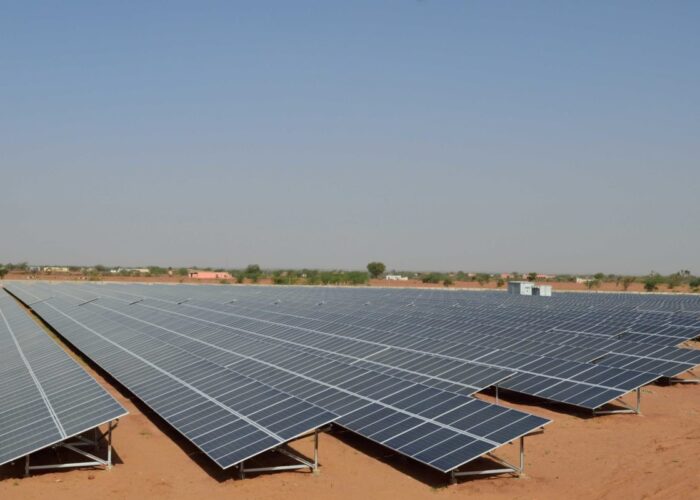
India added 5,526MW of solar PV capacity in the fiscal year 2016/17, up 83% on the previous year, according to new figures from the Ministry of New and Renewable Energy (MNRE).
Chinese automotive to renewable energy technology company BYD has officially opened its first solar module assembly plant in Brazil with a nameplate capacity of 200MW that will include glass/glass modules.
German PV inverter manufacturer KACO new energy said it expected shipment volumes in 2017 to reach almost 2.5GW after booking 600MW in the first quarter.
China-based PV energy provider (PVEP) United Photovoltaics Group said it would be changing its name in response to its direct involvement with the United Nations Development Programme (UNDP) designed to promote both youth engagement and sustainable development and build PV power plant in the shape of a Panda.
After several months of lacklustre sales from many key PV manufacturers in Taiwan, indicating an expected boom in China’s downstream PV market had yet to gain momentum, March sales data indicates improving market demand, yet not at the levels seen in the prior year quarter.
Despite a significant drop in global renewable energy investment last year, a corresponding rise in renewables deployment spelled encouraging news for the sector, according to a new UN Environment Programme (UNEP) report entitled ‘More Bang for the Buck’.
In this week's Movers & Shakers segment, PV Tech focuses in solar jobs in the US, with the UK's Lightsource embarking on its pilot expansion into North America, and Panasonic's Coronal Energy likewise strengthening its North American operations with new strategic leaders. An early-stage investor exits India's Azure Power and The Solar Foundation launches a new online career platform, in other news.
Hindustan Cleanenergy, the renewables arm of Indian firm Hindustan Power, has commissioned a 10MW solar PV plant at Shergati, Gaya, in the Indian state of Bihar.
A joint investment of £240 million has been unveiled by the UK and Indian governments to encourage investment into India’s rapidly growing energy and renewables market and deepen trading ties between the two countries.