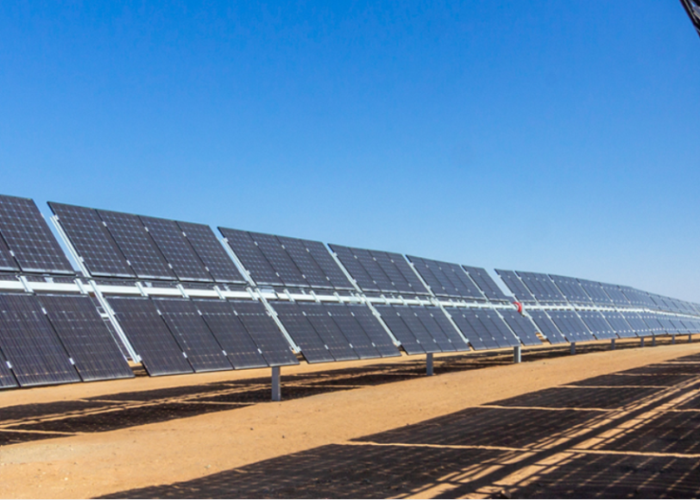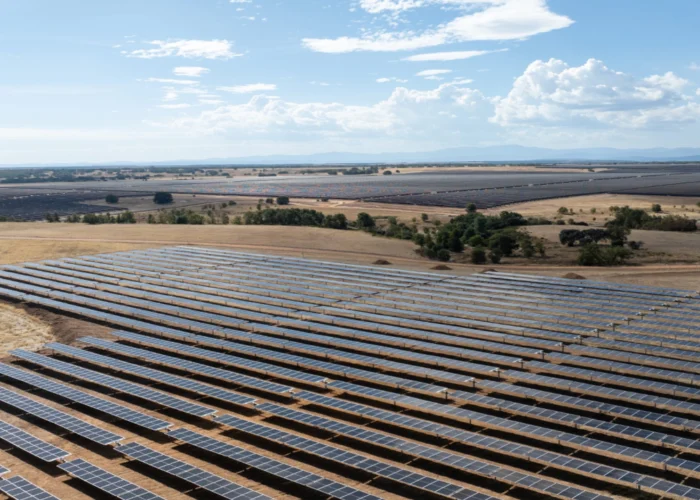
Solar deployment in Iberia is being held back by planning and permitting and regulations unfit for the emerging energy paradigm and European Commission intervention may be necessary, a panel of investors has concluded.
Speaking at this week’s Solar Finance & Investment Europe event, a panel of major solar investors said a significant simplification and accelerated planning envelope was vital if renewables deployment in the region is to meet expectations.
Try Premium for just $1
- Full premium access for the first month at only $1
- Converts to an annual rate after 30 days unless cancelled
- Cancel anytime during the trial period
Premium Benefits
- Expert industry analysis and interviews
- Digital access to PV Tech Power journal
- Exclusive event discounts
Or get the full Premium subscription right away
Or continue reading this article for free
Carlos Rey Micolau, head of Iberia at investor Foresight Group, said planning and permitting systems in Iberia were “stuck in the 60s, while we’re in the decentralisation era”, and stressed the need for a “fundamental change in planning processes”, especially in markets where central, regional and municipal governments all contributed to the regulatory envelope.
Pablo Otin, chief executive officer at Powertis, said that while Spain in particular is set to install nearly three times as much solar in the next three years than it has installed since 2006, the current state of play in planning and permitting is a “recipe for disaster”.
“The regime is all about red tape and bureaucracy. There is tension in the market and there are complicated discussions in central government,” he said, adding: “The only thing governments can do is slow [solar] down. I’m sceptical of anything they can do to speed us up.”

Tiago Thomaz, head of origination for Iberia at Statkraft, gave the example of some markets wherein renewable energy projects can be provisionally accepted within the register of generators and allowed to both generate and export, accruing revenue from the sale of power. However as long as a project is only provisionally and not fully accepted within that register, the Guarantee of Origin certificates are not valid, limiting the project’s revenue base. The gap between provisional and full registration can be as long as 6 – 12 months, Thomaz said.
Issues relating to planning and permitting in Europe are nothing new, and have been the subject of considerable criticism for a number of years. Moderating the discussion, APREN president Pedro Amaral Jorge said that there was a growing belief within the renewables sector that there was now a need to go above European Union member state governments and seek intervention from the European Commission to remove the barriers to deployment.
This view is only likely to grow further against the backdrop of the EU’s new plan to accelerate renewables deployment this decade to reduce the bloc’s reliance on Russian gas imports.