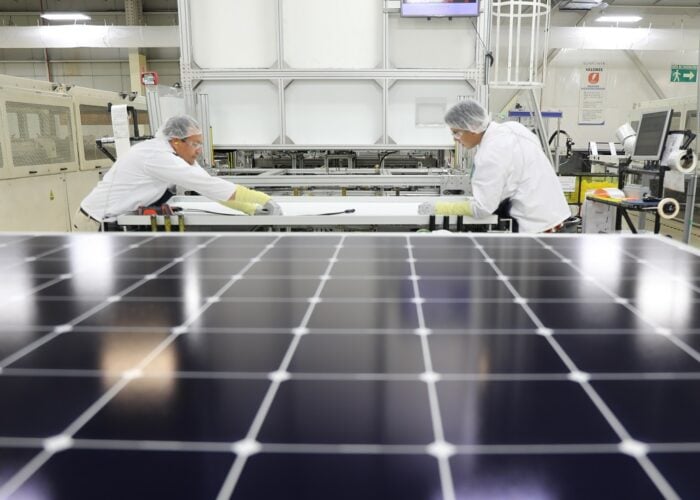
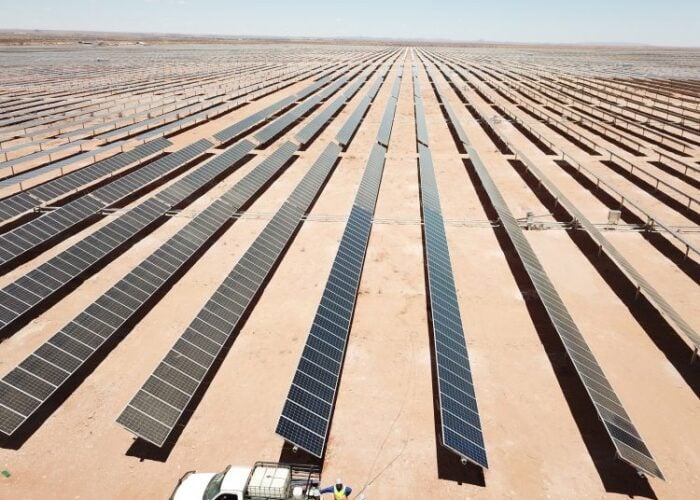
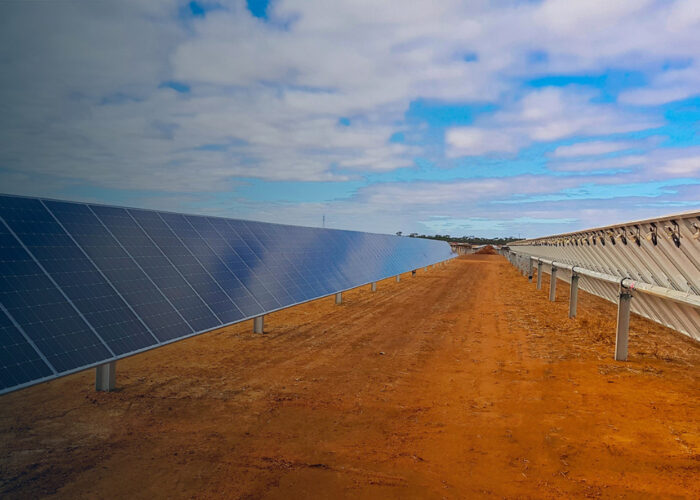
JA Solar is looking to capitalise on strong demand for modules in the Middle East as developers plan ever-larger solar projects and governments encourage the deployment of distributed PV systems.
In January the South African government released an amendment to its energy action plan that lowered the local content requirements of solar modules deployed on government-backed schemes from 100% to 30%. The move was unsurprising to many, and may speak to the overwhelming rise of private projects in the country’s PV sector.
Module manufacturer Meyer Burger has introduced a new product platform for its solar modules, enabling the scalability of new manufacturing capacities and accelerating mass production.
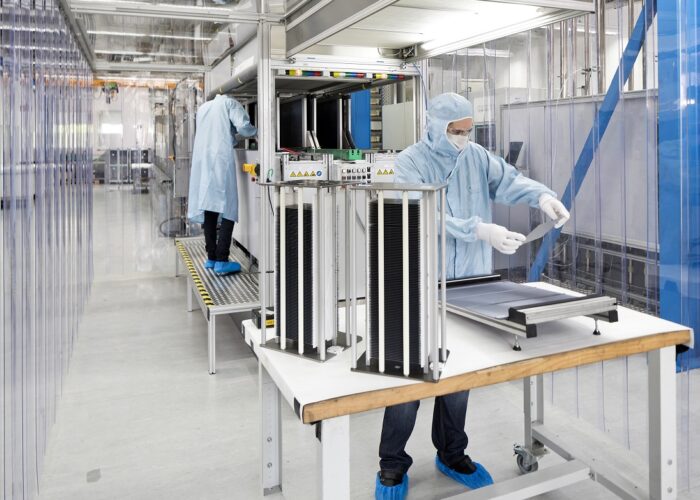
The stage is set for the emergence of an ultra-low-cost PV industry based on epitaxial solar wafers and other highly scalable, high-efficiency technologies, writes Davor Sutija, CEO of NexWafe.
A provision under the US Inflation Reduction Act allowing for federal tax credit transfers for solar projects is creating whole new market, giving developers flexibility to sell such credits to third parties to capture maximum value or reduce risk, says a legal and commercial advisor.
US solar tracker supplier Array Technologies expects to finish 2022 with a revenue of US$1.62-US$1.64 billion, an organic growth of nearly 50% from 2021.
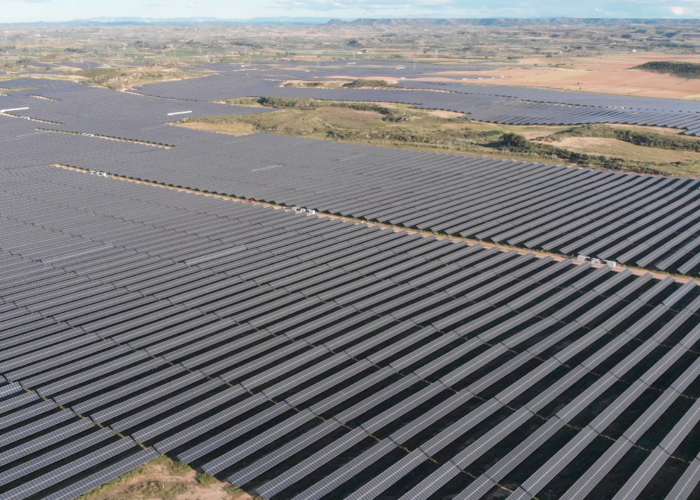
Featuring nearly 1.5 million PV modules and with a generation capacity of 590MWp, the Francisco Pizarro plant in Spain came into operation in August 2022. George Heynes talks to developer Iberdrola about the challenges of constructing Europe’s largest solar farm.
Solar tracker manufacturer Soltec posted net profits of €13.1 million (US$13.9 million) for the year 2022, a €14 million increase on 2021 which saw a €1.2 million loss for the company.