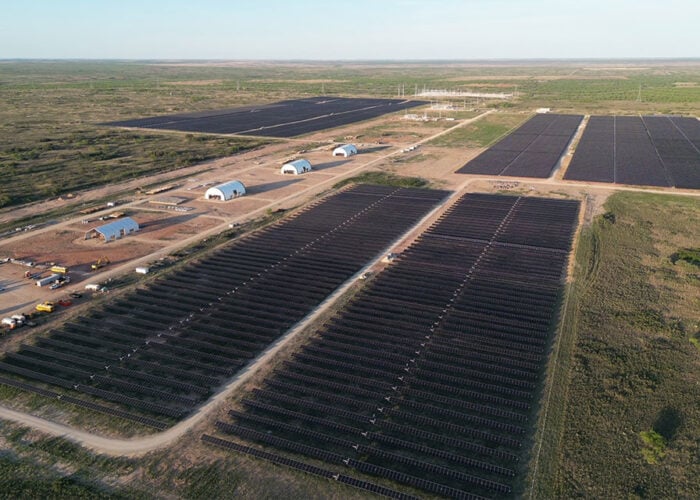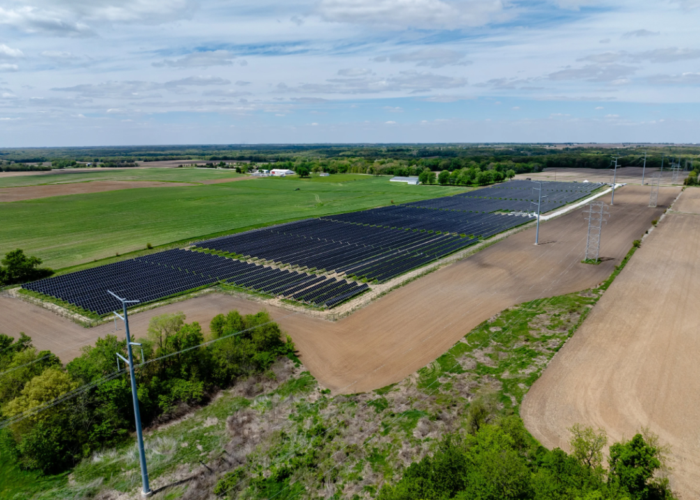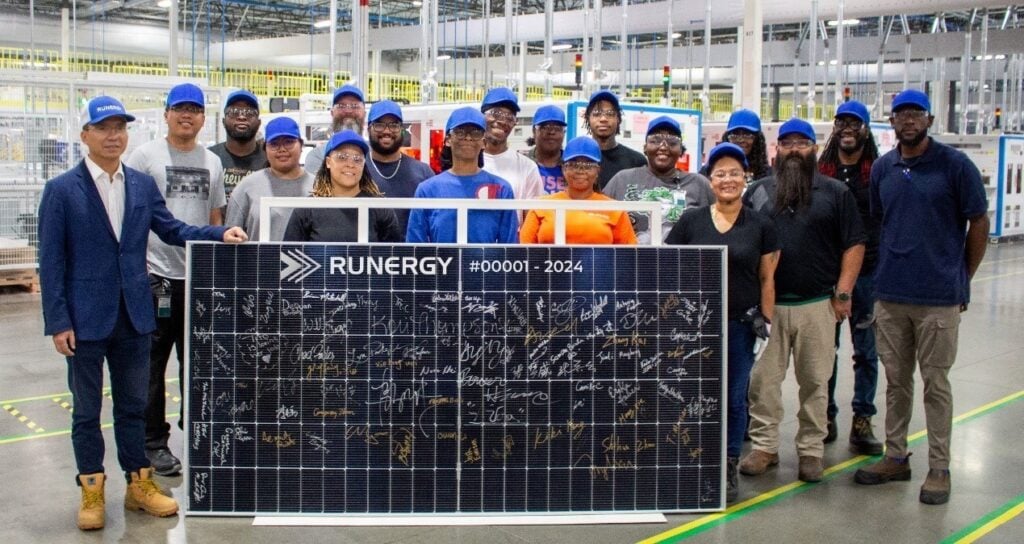
The US has surpassed 50GW of annual nameplate capacity for module production, according to the Solar Energy Industries Association (SEIA).
This would allow the US to produce enough modules to fulfil its current demand. During the first three quarters of the year, the country added nearly 30GW of solar capacity and is on pace to exceed 40GW for the entirety of 2024, according to estimates from SEIA.
Try Premium for just $1
- Full premium access for the first month at only $1
- Converts to an annual rate after 30 days unless cancelled
- Cancel anytime during the trial period
Premium Benefits
- Expert industry analysis and interviews
- Digital access to PV Tech Power journal
- Exclusive event discounts
Or get the full Premium subscription right away
Or continue reading this article for free
Solar module manufacturing has grown by fivefold since the passage of critical federal energy policies – such as the Inflation Reduction Act – and puts the US as the third largest module producer globally, said the trade association.
The number surpasses the target the SEIA set five years ago for the US solar manufacturing industry to reach by 2030. At the time, the trade association targeted 50GW of annual nameplate capacity across the entire value chain – from polysilicon to modules, including trackers and inverters – and not just modules. At the time, the US only had 7GW of nameplate capacity operational for solar modules and 41 metric tons of polysilicon.
SEIA president and CEO Abigail Ross Hopper said: “The US is now the third largest module producer in the world because of these policy actions. This milestone not only marks progress for the solar industry but reinforces the essential role energy policies play in building up the domestic manufacturing industry that American workers and their families rely on.”
Cell production grows while polysilicon decreases
This latest milestone comes two months after the SEIA unveiled that the US had produced its first solar cells in over five years. Since then, more capacity for solar cells has come online, as shown in the chart above, with 2GW of annual nameplate capacity currently operational.
The latest company to have begun producing solar cells is ES Foundry, which recently started production at its South Carolina solar cell plant. The company expects to reach full operational capacity by the third quarter of 2025, when it will reach an annual nameplate capacity of 3GW of passivated emitter rear contact (PERC) crystalline silicon solar cells.
Despite operational capacity in the US increasing for solar modules and cells as months pass, the downside is that the country still has no operational capacity for solar ingot and wafer production.
Moreover, its annual nameplate capacity for polysilicon has fallen by 9GW since December from 34GW to 25GW, as polysilicon manufacturer REC Silicon shut down production at its Moses Lake facility, a decision that raised questions from industry experts and shareholders in REC Silicon (Premium access).