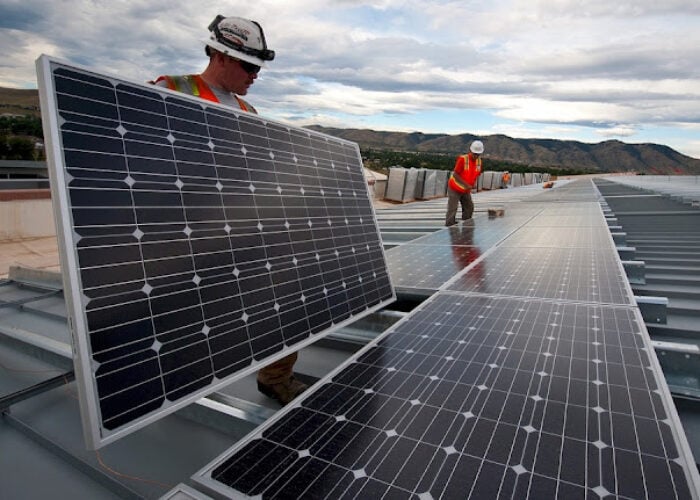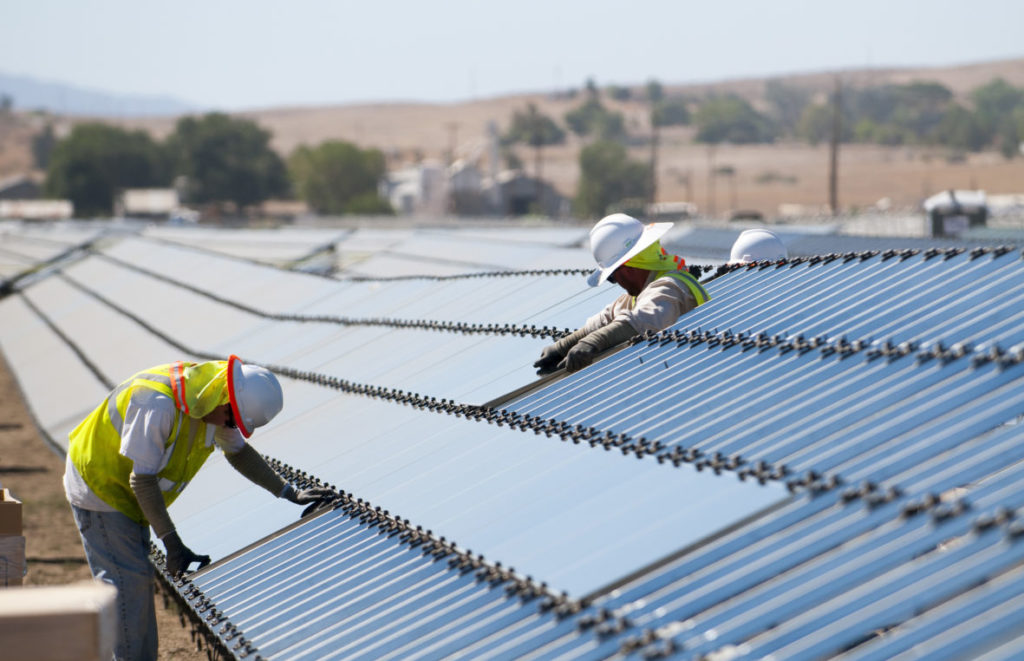
Solar dominated employment in the renewable energy sector in 2024, accounting for over 40% of the global renewables workforce, the most of any sector.
According to the annual renewable energy jobs report by the International Renewable Energy Agency (IRENA), the global PV sector accounted for 7.2 million jobs globally, up from 7.1 million in 2023.
Try Premium for just $1
- Full premium access for the first month at only $1
- Converts to an annual rate after 30 days unless cancelled
- Cancel anytime during the trial period
Premium Benefits
- Expert industry analysis and interviews
- Digital access to PV Tech Power journal
- Exclusive event discounts
Or get the full Premium subscription right away
Or continue reading this article for free
China dominated the solar workforce, accounting for 58% of the total jobs, followed by India, Brazil, the US and Pakistan in the top five.
Overall, the report revealed only modest growth in the total renewable energy jobs in 2024, despite record installations across all technologies that year.
According to IRENA’s figures, the total renewable energy workforce grew 2.3% to 16.6 million in 2024, against a record 15% increase in the total renewable power capacity in 2024 to 4,443GW.
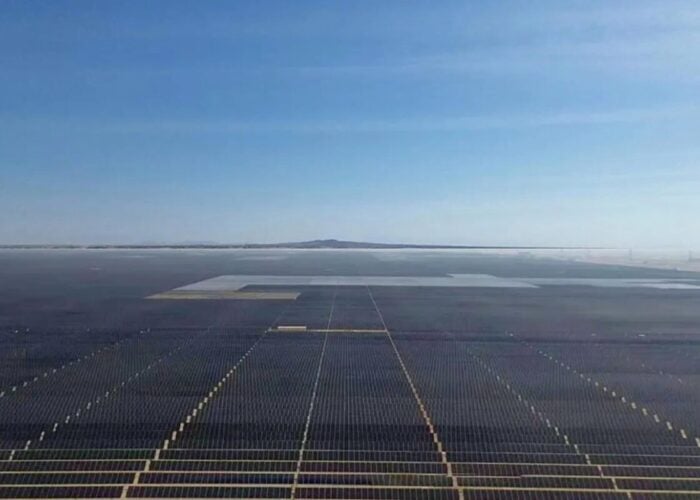
The growth in solar jobs reflected this pattern, with the 32% growth in solar capacity in 2024 far outstripping the increase in jobs in the sector.
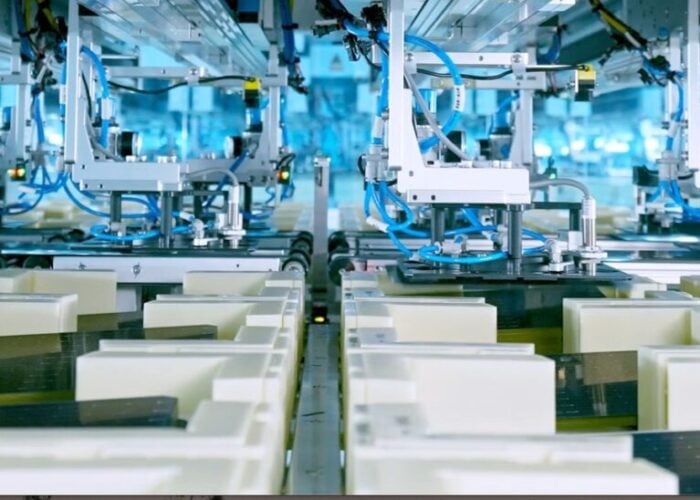
IRENA said the relatively slower growth in jobs in 2024 indicated that the energy transition had entered a “new phase”, in which automation and economies of scale meant comparatively less human labour was needed to build each new unit of capacity.
Another factor IRENA said was the scale of deployment, with decentralised rooftop solar being more labour-intensive than utility-scale projects. The emergence of artificial intelligence in the coming years will also have “far-reaching impacts”, though how this will impact job losses or gains “remains to be seen”, the agency said.
IRENA director-general, Francesco La Camera, said: “Renewable energy deployment is booming, but the human side of the story is as important as the technological side. Governments must put people at the centre of their energy and climate objectives through trade and industrial policies that drive investments, build domestic capacity, and develop a skilled workforce along the supply chain. The geographical imbalance of the job growth reminds us to get international collaboration back on track.”