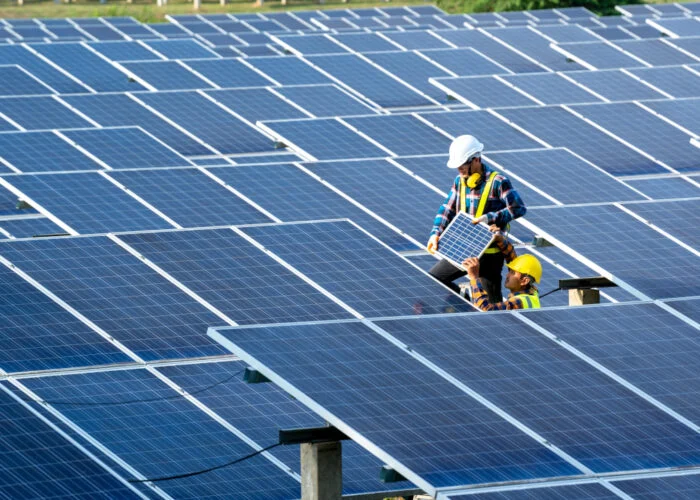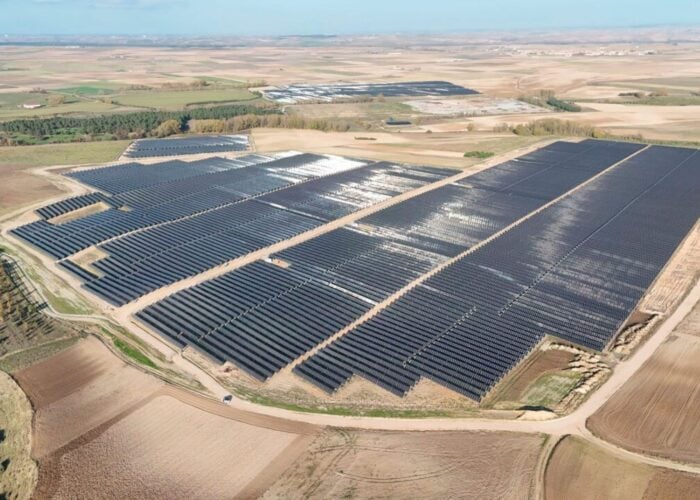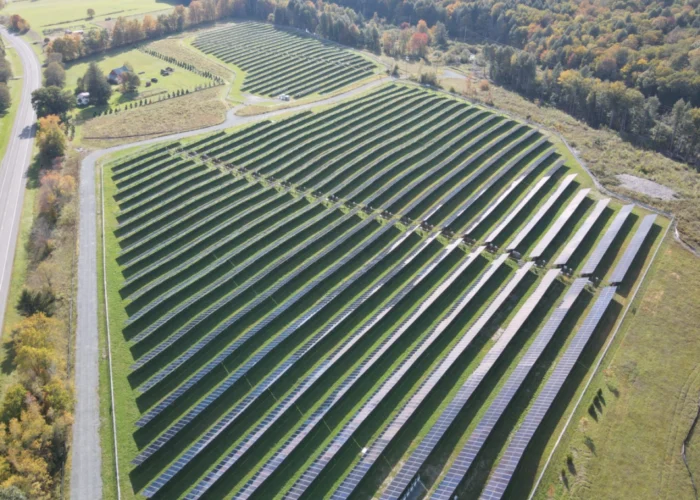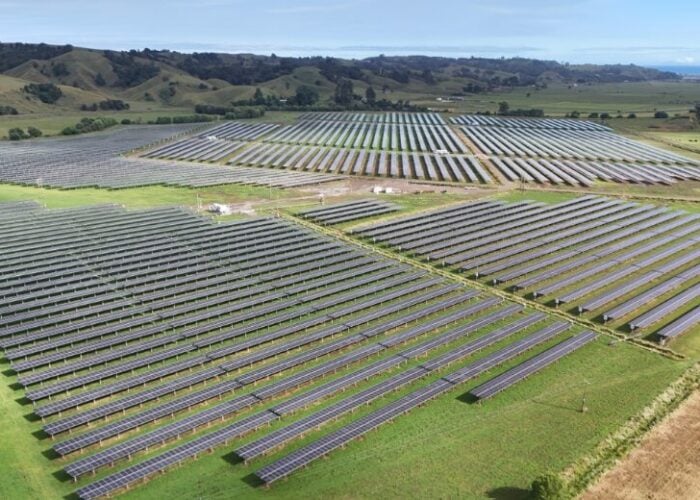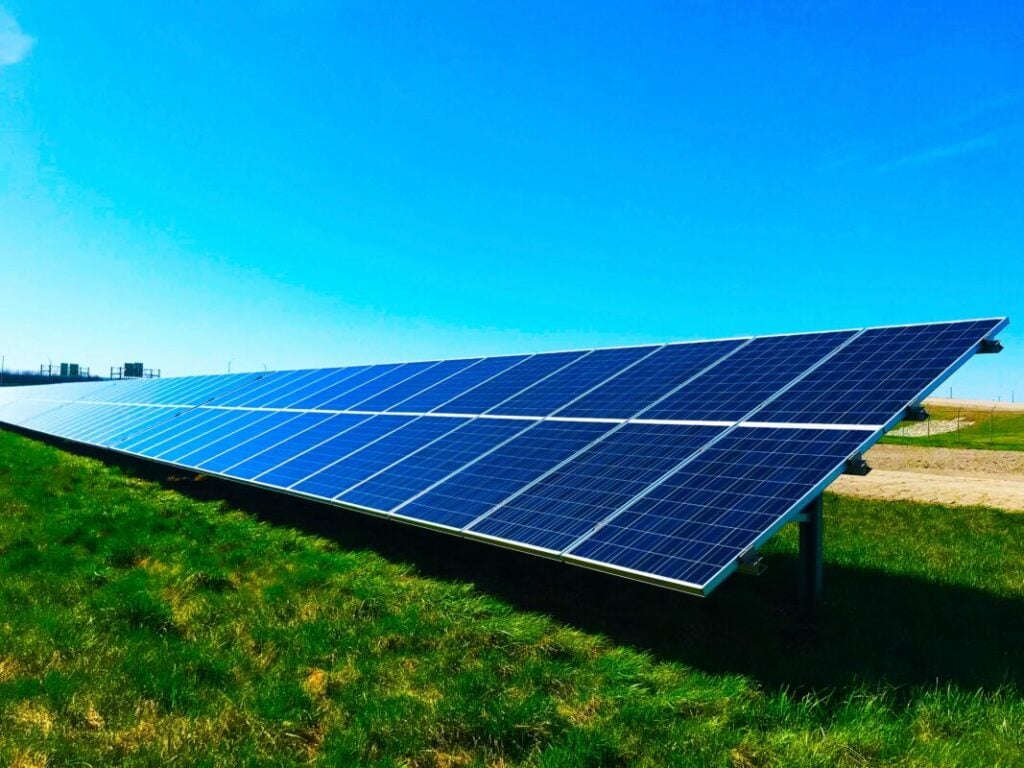
Solar PV was the leading source of electricity generation in the EU in the second quarter of 2025, according to the statistical office of the European Union (Eurostat).
Solar generated 19.9% of the bloc’s electricity between April and July this year, around 122,317GWh. Moreover, solar accounted for 22% of EU electricity generation in June, the first month on record where it was the single biggest source of power across Europe, ahead of nuclear power and wind.
Try Premium for just $1
- Full premium access for the first month at only $1
- Converts to an annual rate after 30 days unless cancelled
- Cancel anytime during the trial period
Premium Benefits
- Expert industry analysis and interviews
- Digital access to PV Tech Power journal
- Exclusive event discounts
Or get the full Premium subscription right away
Or continue reading this article for free
While capacity additions for PV are slowing across Europe generally, as some favourable policies for the residential market phase out and the immediate effects of the 2022 energy crisis subside, Eurostat’s figures are a strong showing for the technology, and for renewables more broadly.
So far in 2025, Western Europe in particular has seen above-average solar irradiance levels, which might have contributed to PV’s increased role in the EU energy mix. Irradiance was around 50% above average throughout spring this year, according to an analysis by weather data and software provider Solargis.
Denmark, Latvia and Austria all produced over 90% of their electricity from renewable sources in Q2 2025, according to Eurostat, with rates of 94.7%, 93.4%, and 91.8%, respectively. The biggest year-on-year increases in renewables were in Luxembourg (13.5%) and Belgium (9.1%), with “both of them due to the increase in solar energy”, Eurostat said.

EU solar additions are set to continue to slow this year and next, according to predictions from trade body SolarPower Europe. 2025 is likely to see a 10% increase in new capacity, down from the 33% growth last year and a significant drop from 87% market growth in 2023.
This is partly a return to normal growth rates after the solar boom which followed the 2022 energy crisis, but SolarPower Europe also blamed geopolitical and trade tensions and an “uncertain” and “stagnant” macroeconomic environment for the declining growth.