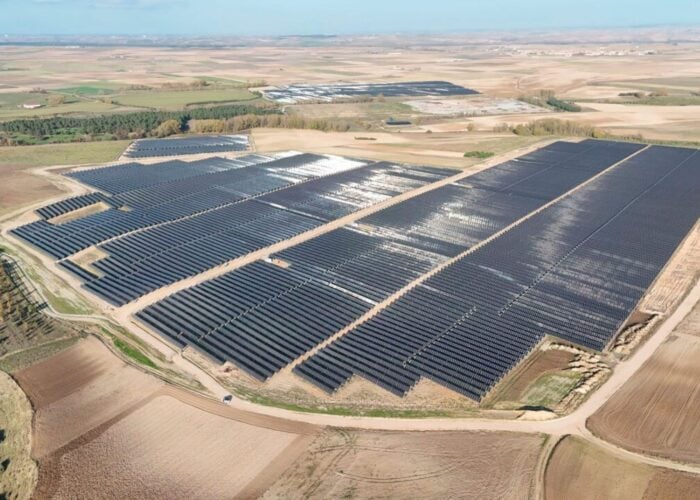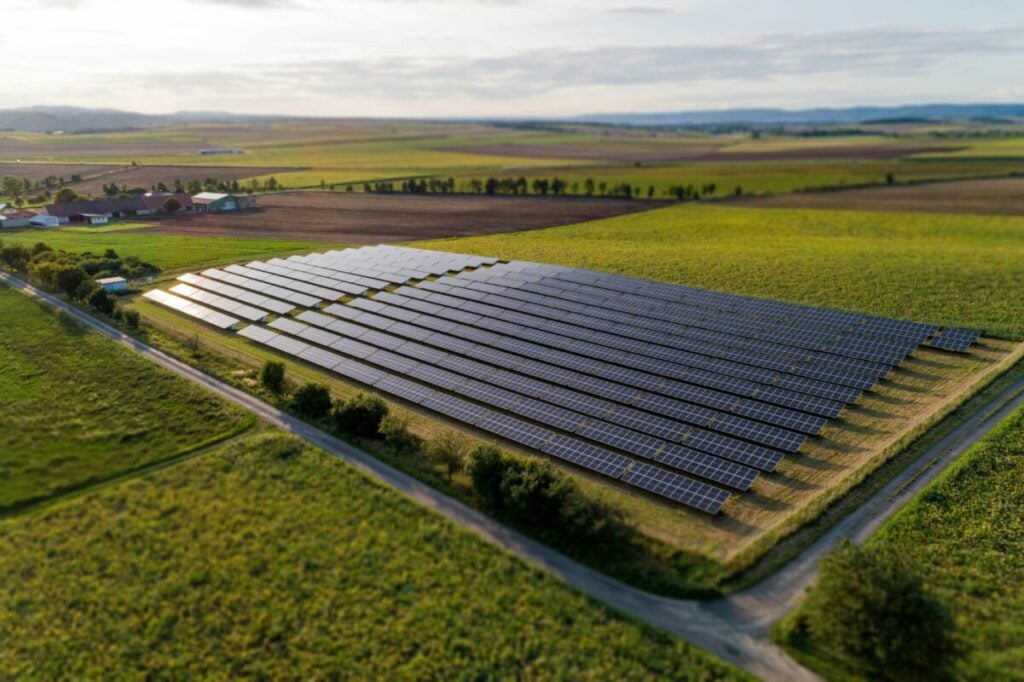
In May 2026, parts of Europe encountered a striking turning point. According to Epex Spot, electricity prices in France fell below zero at midday as solar output surged beyond what grids could absorb. At the same time, analysis from Bloomberg warns that as much as 40TWh of solar electricity could be curtailed this summer, enough to power a major city for a year.
As countries in the northern hemisphere head into their sunniest months, the potential of solar power is increasingly hard to ignore. Solar panels are more accessible and affordable than ever, and renewed volatility in global oil and gas markets is driving markets towards electrification and renewables as near-term protection. With oil prices still 65% higher than the start of 2026, consumers and businesses are increasingly adopting clean, electric alternatives.
Try Premium for just $1
- Full premium access for the first month at only $1
- Converts to an annual rate after 30 days unless cancelled
- Cancel anytime during the trial period
Premium Benefits
- Expert industry analysis and interviews
- Digital access to PV Tech Power journal
- Exclusive event discounts
Or get the full Premium subscription right away
Or continue reading this article for free
This shift is already visible. Since the US-Israel conflict in the Middle East began, one German renewable energy firm saw inquiries for solar panels rise by 30%, while the UK saw solar panels fitted on rooftops roughly every three minutes.
Although this is good news, the challenge is that renewable energy generation is now accelerating faster than energy systems can absorb it. As solar becomes cheaper and more widespread, the new energy landscape needs smarter, more flexible energy systems that can dynamically match supply with demand.
Volatility is accelerating electrification, and solar is on the front line
When energy crises hit, they expose how dependent economies still are on fossil fuels, and how vulnerable that leaves us. Over the last six to seven years, multiple energy crises across different geographies have reinforced the strategic advantage in being less dependent on fossil fuels.
Spain offers a clear example. One of Europe’s fastest-growing major economies recorded provisional GDP of around €1.6 trillion (US$1.8 trillion) in 2025, making it the EU’s fourth-largest economy. Part of that momentum is its growth in clean power. According to think tank Ember, it is the second highest producer of solar power in the EU, with figures from the Renewable Energy Institute showing renewables generating roughly 55% of its electricity, well above the EU average of 47%, according to Eurostat.
Crucially, electrification strengthens resilience through more than just lower fuel imports and costs. By shifting more of the economy onto domestically produced clean electricity, countries can direct investment into local grid upgrades and clean energy projects, supporting jobs, strengthening supply chains and keeping more economic value at home.
Solar is central to this shift because it is both economical and fast to deploy. Solar PV is the cheapest source of electricity generation in many markets and utility-scale solar can be up and running in roughly 18 months, considerably faster than most large-scale conventional infrastructure.
However, rapid deployment is only half the story.
The flexibility challenge
Now that we are in the summer months when longer, sunnier days push solar generation to its seasonal peak, the integration challenge becomes more visible. As solar expands, grids are experiencing growing mismatches between when electricity is produced and when it is needed. The net load curve represents this phenomenon, showing where the new peak comes after a steep increase later in the day as solar fades and demand rises. This matters for two reasons:
- The system can end up wasting clean electricity if it cannot absorb it. Curtailment is a clear indicator of that constraint. Across Germany, France and the Netherlands, around 3.9TWh of renewable electricity was curtailed in 2025 – roughly enough to power 1.3 million homes for a year.
- It changes what “ROI from solar” really means. The benefits extend beyond total energy generation to how much of its value can be captured. Using solar power when electricity prices are highest can reduce reliance on costly grid imports, increase self-sufficiency and improve resilience against energy price shocks and supply disruptions.

Digital capability is the missing link to better ROI and resilience
One of the biggest misconceptions about solar is that results are driven by sunlight and geography. The biggest variability in payback is often the digital capability used to coordinate local production and consumption.
Digital capabilities, paired with AI and storage, can unlock the flexibility needed to better balance supply and demand. This allows energy systems to adjust power generation and consumption in response to grid or market signals—critical to ensure the security of supply to avoid blackouts and maximise the value of solar. In Brazil, Aurora Energy Research projects that curtailment could begin to ease later this decade as transmission upgrades and battery storage expand.
Platforms such as distributed energy resource management systems (DERMS) make this actionable at scale. A combination of Grid DERMS and Edge DERMS can improve forecasting, optimise schedules and orchestrate assets like EV chargers; heating, ventilation and air conditioning (HVAC); and batteries in real time.
This allows industrial processes to shift into solar-rich hours, charging electric vehicles during the day and optimising heating, cooling and hot-water systems to run when electricity is both cheaper and cleaner. Integrating battery storage can capture surplus solar for later use. In each case, the objective is the same: use more solar and storage on site, reduce reliance on high-cost grid imports and improve resilience against price volatility.
Solar Nederland brings this to life. After investing early in rooftop solar, one site hit grid congestion and was refused export, stranding the system’s value. By deploying a smart microgrid to coordinate on-site generation, storage and flexible demand, the site now self-consumes nearly all its solar output and optimises operations to price signals. It is proof that the next phase of solar growth is as much operational as it is physical.
How to unlock the full value of solar growth
Ultimately, the surge in solar adoption is good news. It strengthens energy security, lowers costs over time and brings more clean power into the system. But without the ability to use that power when and where it’s needed, too much potential value is left on the table, especially in hotter summer months.
Expanding storage, shifting and shaping demand and using digital visibility and automation to optimise loads can help move excess midday generation into higher-value periods, reduce curtailment and improve resilience to price shocks and supply disruptions.
In this sense, the value of solar increasingly depends not just on how much is built, but on how intelligently it is integrated and managed.