States and territories can impose stricter renewable energy obligations on large data centres than the national minimum, but cannot weaken the federal floor, Australia’s climate change and energy minister, Chris Bowen, said at the National Press Club in Canberra on 5 August.
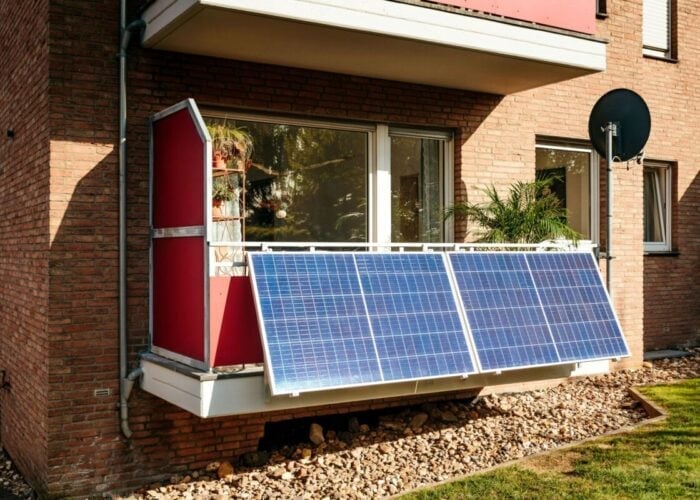
In the same address, Bowen confirmed that the government will expand the Small-scale Renewable Energy Scheme (SRES) to cover solar installations of up to 1MW, ten times the current cap, cutting the cost of commercial and industrial rooftop solar by around 20%.
Try Premium for just $1
- Full premium access for the first month at only $1
- Converts to an annual rate after 30 days unless cancelled
- Cancel anytime during the trial period
Premium Benefits
- Expert industry analysis and interviews
- Digital access to PV Tech Power journal
- Exclusive event discounts
Or get the full Premium subscription right away
Or continue reading this article for free
The data centre statement directly addresses the positions of Queensland and the Northern Territory (NT), which broke ranks at the Energy and Climate Change Ministerial Council meeting on 28 July, opposing the nationally consistent framework backed by the other six state and territory governments.
Bowen said the federal government would pass laws to prevent dissenting states and territories from allowing large data centres to be powered by fossil fuels.
Federal powers over the Australian Energy Market Operator (AEMO) and the Australian Energy Market Commission (AEMC) would be used to mandate that new data centres connect to the grid only on terms consistent with the national framework.
The national framework, announced by Prime Minister Anthony Albanese on 15 July, requires large-scale data centres to become net generators of renewable energy, to underwrite new supply, to pay their full share of connection costs and to reduce demand when required to support grid stability.
The framework is expected to go to the National Cabinet this month, with legislation targeted for introduction to Parliament early next year.
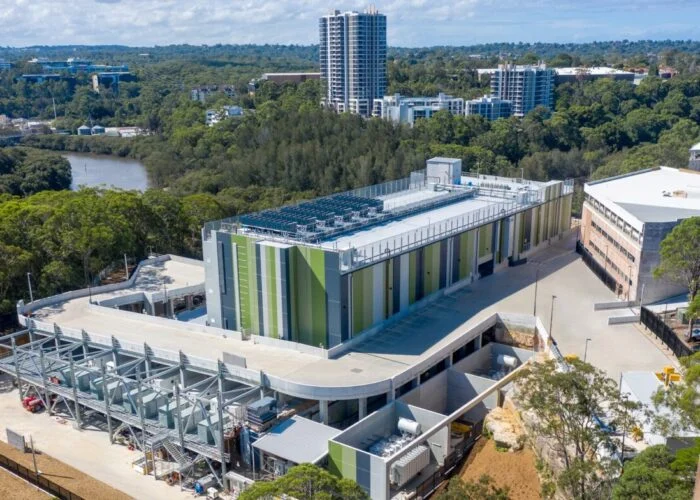
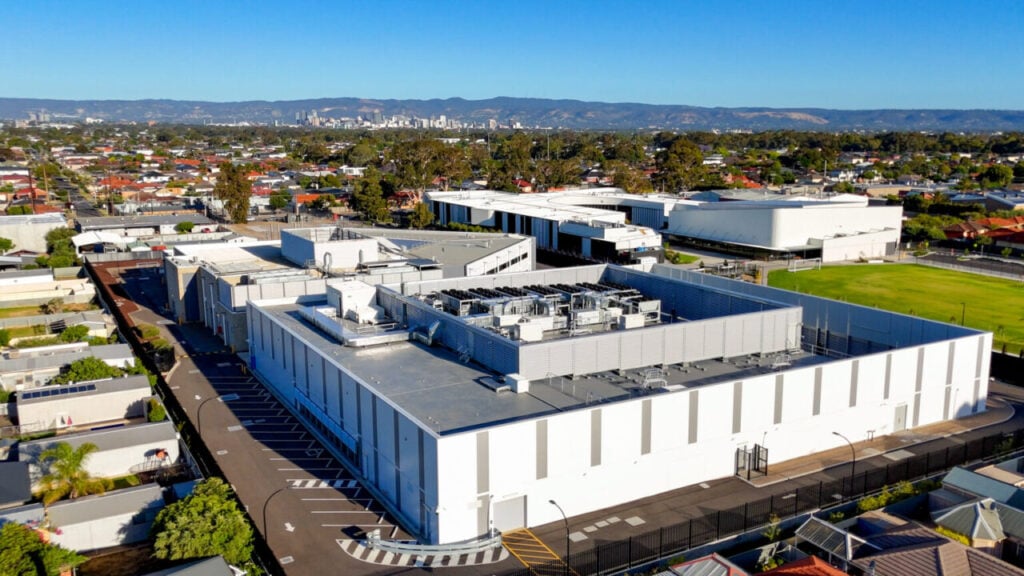
Australia is becoming one of the biggest markets for data centre development across the globe, with many facilities already operational. You can find a breakdown by state and territory below:
A floor, not a ceiling
Bowen’s speech reframed the state-level flexibility question that had emerged following opposition from Queensland and the NT.
He said the national framework set a minimum standard. States and territories with the ambition to impose tighter requirements, including higher renewable energy thresholds or more stringent additionality rules, remained free to do so.
The framing is designed to address concerns from the clean energy industry that a weakly enforced or unevenly applied framework could allow data centres to draw from Australia’s existing renewable energy supply rather than funding new generation.
A coalition of climate groups, unions and renewable energy organisations had warned earlier in 2026 that a social backlash was inevitable if data centres were permitted to free-ride on the existing grid.
Bowen also addressed the scale of the opportunity. Australia’s AU$150 billion (US$99 billion) data centre pipeline represents one of the largest inbound investment commitments in the country’s history. The framework is designed to channel that investment into new renewable energy generation rather than allow it to strain existing supply.
AEMO has forecast that data centres will account for around 10% of total National Electricity Market (NEM) demand by 2050, up from approximately 2% today. The forecast has sharpened the urgency of getting the policy settings right before the pipeline converts from announced projects to operational load.
The AEMC has separately proposed new technical standards requiring large data centres to remain connected during grid faults rather than disconnecting, following international incidents where simultaneous disconnections caused cascading blackouts. The draft standards apply to facilities with loads of 30MW or more.
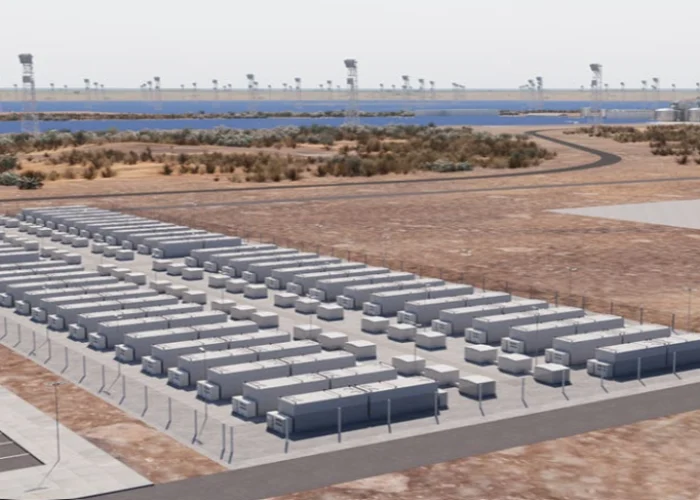
Industry has broadly backed the principle of a net-generator requirement. Battery storage system integrator Fluence argued in an interview with our sister site ESN Premium that co-located battery storage at data centres can address three distinct commercial problems simultaneously: load smoothing, cold-start backup and speed to power.
Fluence senior manager for policy & market strategy Sam Markham cautioned that the framework needed to require firmed renewables rather than renewables in isolation. She warned that a data centre procuring certificates from existing solar farms could technically meet a renewability test while adding no new capacity to the grid.
National Electricity Rule change requests are due to be developed for consideration by the Energy and Climate Change Ministerial Council in September, with the aim of treating data centres in the NEM as market participants required to demonstrate they can offset their demand through new renewable energy generation, adequate firming and demand flexibility.