SynergyRED, a wholly owned subsidiary of Synergy, has secured environmental approval for a 2GW solar, wind and battery energy storage system (BESS) project in Western Australia.
The Western Australian Environmental Protection Authority (EPA) decided not to formally assess the Tathra Wind Farm project under Part IV of the Environmental Protection Act, determining that environmental impacts can be managed through existing regulatory frameworks and proposed mitigation measures.
Try Premium for just $1
- Full premium access for the first month at only $1
- Converts to an annual rate after 30 days unless cancelled
- Cancel anytime during the trial period
Premium Benefits
- Expert industry analysis and interviews
- Digital access to PV Tech Power journal
- Exclusive event discounts
Or get the full Premium subscription right away
Or continue reading this article for free
The decision sees the proposal clear a major regulatory hurdle for the development located 15km east of Eneabba in the Mid-West region. Western Australia-based electric and gas utility Synergy submitted the development application for the 2GW solar-wind-BESS project in September 2025.
The Tathra project features up to 140 wind turbines generating up to 1GW of capacity, paired with up to 500MW of solar PV generation and a 500MW battery storage system. The hybrid facility will connect to the South West Interconnected System (SWIS) via an existing 330kV transmission line.
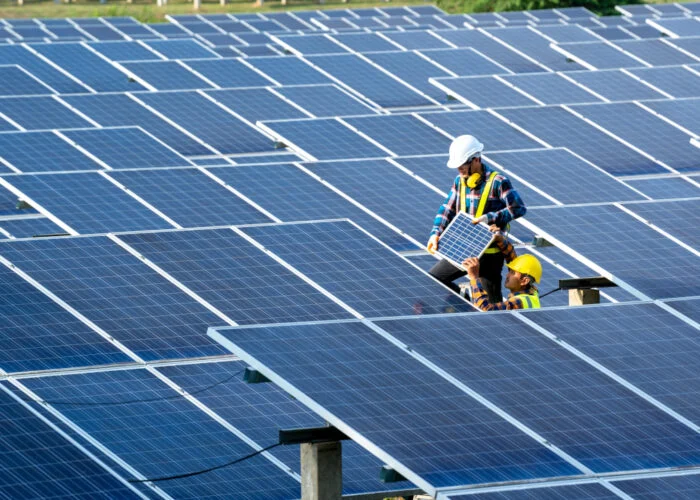
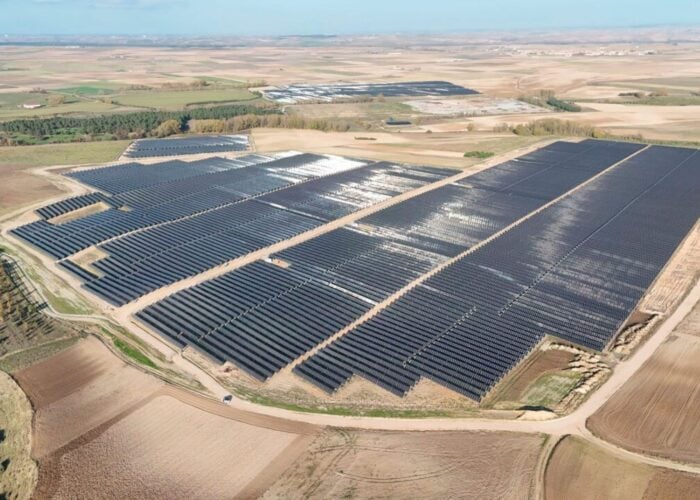
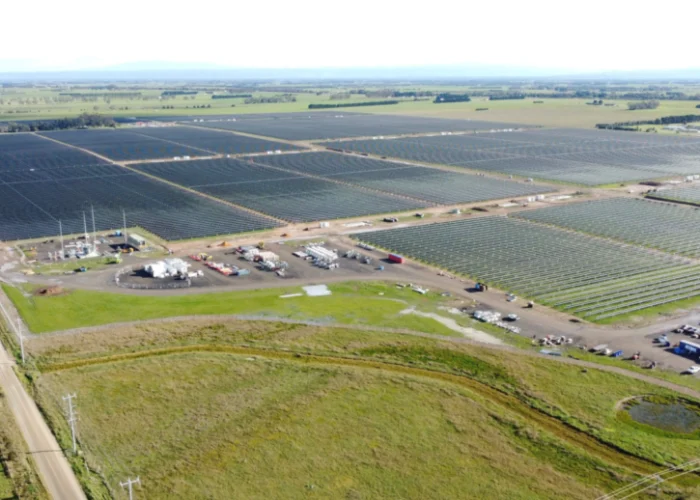
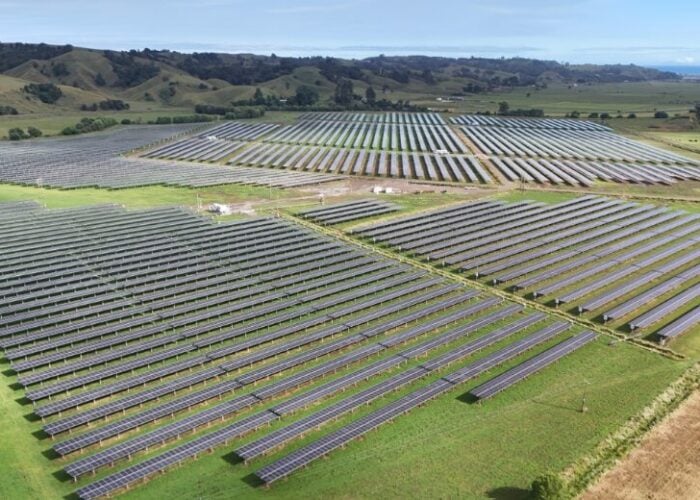
Specifically, the site will see one million solar PV modules deployed across multiple arrays throughout the 15,830-hectare site. The solar component will occupy approximately 1,000 hectares of the total 1,595-hectare project footprint.
According to the development application, the solar arrays will utilise tracking systems to maximise energy capture. They may incorporate bi-facial technology to increase output by capturing additional reflected light from the ground.
The development application also outlines plans to integrate ‘agrivoltaics‘ during the detailed design phase. This approach would potentially allow for continued agricultural activities within and around the solar facilities, addressing concerns about the loss of productive agricultural land.
Meanwhile, the BESS will comprise up to three facilities with a combined capacity of 500MW; however, the duration has not been disclosed. These installations will include battery enclosures and inverters, gravel access roads, drainage basins, and underground cabling to connect to substations.
The BESS facilities will be adjacent to the project’s substations, occupying approximately 10 hectares of the total project area. The application indicates that the battery storage system will consist of lithium-ion cells housed in large storage containers, capable of charging and discharging with energy from the wind turbines, solar arrays, or the grid as needed.
Environmental considerations addressed
The EPA’s decision followed an evaluation of potential impacts, including the clearing of 3.44 hectares of vegetation, ongoing collision risks for avifauna from wind turbines, alterations to surface water flow, groundwater abstraction and construction-related noise and visual impacts.
Three public submissions called for a full public environmental review, but the EPA determined a formal assessment was unnecessary given the proposed mitigation measures.
Key environmental protections include avoiding all recorded threatened flora, minimising impacts on the critical habitat buffer of the ‘Assemblages of the organic mound springs of the Three Springs area’ Threatened Ecological Community to 0.33 hectares, and limiting impacts on mapped groundwater-dependent vegetation to 0.51 hectares.
The project will also implement a Bird and Bat Adaptive Management Plan to address ongoing collision risks, while trees with suitable breeding hollows for black cockatoo species will be avoided.
Western Australia renewable energy developments
The Tathra approval adds momentum to Western Australia’s expanding renewable energy pipeline, which has seen significant activity across multiple project types and scales.
At the start of 2026, Pilot Energy confirmed it will pivot one of its Western Australian solar projects to a hybrid BESS configuration in an AU$10.75 million (US$7.18 million) deal.
Power purchase agreement (PPA) activity has also accelerated alongside project development, with Pacific Energy and Horizon Power signing a 20-year PPA for a solar hybrid project targeting remote community energy needs.
The state’s Pilbara region has emerged as a particular focus for innovation and testing, becoming a solar technology testbed with AU$45 million in ARENA funding supporting advanced solar deployment and research initiatives.
The funding will support trials of solar technologies in the region’s challenging environmental conditions.
Construction activity has maintained its pace across Western Australia, with Pacific Energy completing the installation of solar modules at its 35MW plant, highlighting operational progress alongside planning advances for larger hybrid projects, such as Tathra.
The Energy Storage Summit Australia 2026 will be returning to Sydney on 18-19 March. To secure your tickets and learn more about the event, please visit the official website.