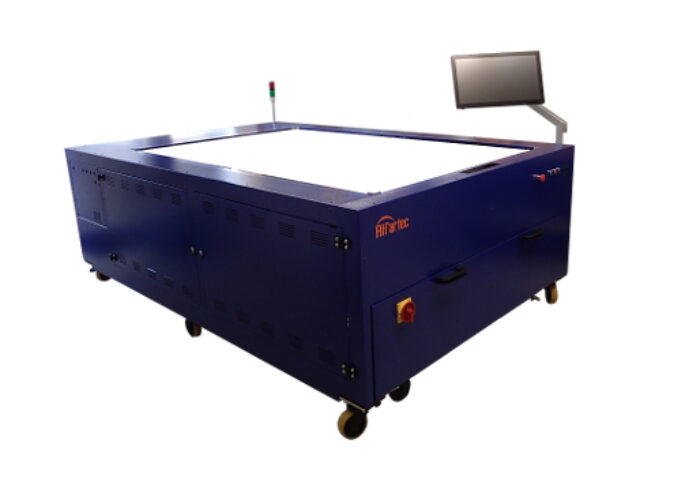
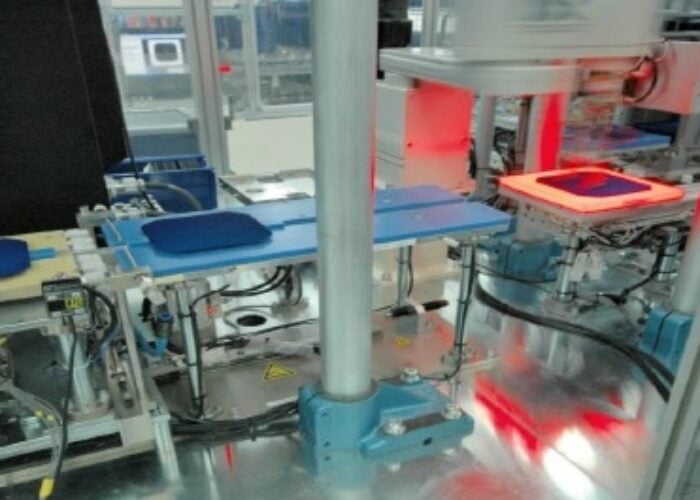
Alfartec has introduced its BlueSky-MT240 solar simulator to the market that is based on LED and Halogen technologies, making it ideal for production, research and certification centers, globally. Its long flash duration up to 500 millisecondes and short cycle time are suitable for all module technologies.
Bankrupt US solar module start-up Beamreach Solar’s pilot production line in Milpitas, California is being offered for sale by Silicon Valley Disposition (SVD).
After several months of lacklustre sales from many key PV manufacturers in Taiwan, indicating an expected boom in China’s downstream PV market had yet to gain momentum, March sales data indicates improving market demand, yet not at the levels seen in the prior year quarter.
Dedicated PV quality assurance services firm STS-Certified said it had performed quality inspection services on solar modules totalling over 1.5GW in 2016, with the expectation of almost 3.0GW of inspections in 2017.
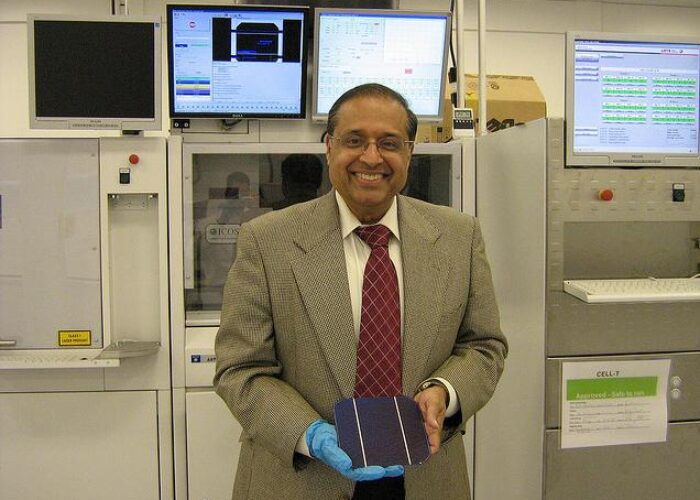
China-based PV manufacturer Yingli Green Energy and industrial technology partners, Dutch research centre ECN and equipment manufacturer Tempress, a subsidiary of Amtech Systems have fabricated their first IBC (Interdigitated Back Contact) n-type solar cells on 6-inch monocrystalline wafers at the manufacturer's pilot line in China.
Specialist PV manufacturing equipment supplier Singulus Technologies expects to double sales in 2017 after its new order backlog in 2016 reached €109.9 million, a 310% increase over the previous year.
Monocrystalline wafer producer Comtec Solar Systems Group has more than doubled expected losses for 2016, due to further write-downs on its Malaysia manufacturing facility with the pending sale of the facility to leading mono wafer supplier, LONGi Green Energy Technology.
Updated: US-based high-efficiency module manufacturer Suniva, majority owned by Chinese diversified renewables firm Shunfeng International Clean Energy (SFCE) is to carry out a number of unspecified job cuts across its operations, according to a company statement.
Major flat panel display manufacturer AU Optronics Corp reported a significant reduction in its solar business unit’s losses in 2016, after receiving a US$170.1 million cash payout from SunPower to exit its joint venture (JV) manufacturing operations in Malaysia, last September.
PV and polysilicon manufacturing equipment specialist centrotherm photovoltaics reported 2016 revenue at the higher end of previously withdrawn guidance that was pulled on fears of PV manufacturers withdrawing capital expenditure plans when PV demand drastically weakened in China in the second-half of the year.