At Intersolar Europe 2018, PV Tech talked at length with Aiko Solar’s vice general manager Michael Ho, to gain an update on capacity expansions and strategy with its expanding range of PERC-based cells vis-a-vis the European market.
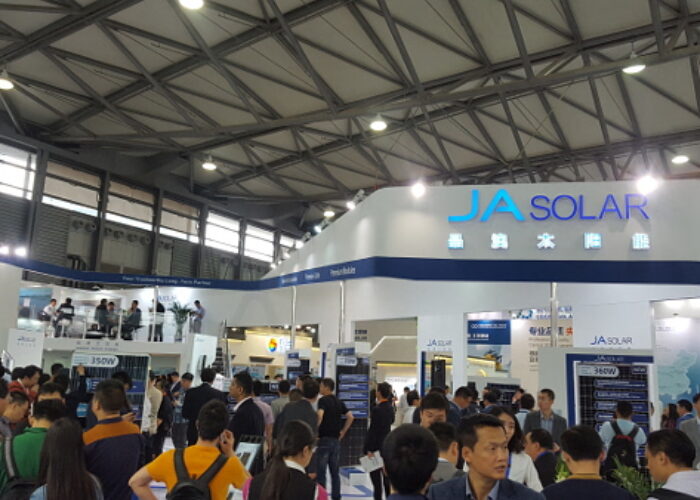
‘Silicon Module Super League’ (SMSL) member Hanwha Q CELLS said it would seek to de-list from NASDAQ, following two major SMSL members, Trina Solar and JA Solar to go private after years of experiencing lower valuations on the NYSE and NASDAQ stock markets, compared to smaller listed US rivals.
Heading into the PV ModuleTech 2018 event in Penang, Malaysia on 23-24 October 2018, PV-Tech is set to conduct a series of interviews with leading project developers and EPCs, to understand what downstream channels of the utility-scale PV segment are looking for, when choosing PV module suppliers and their respective module technology offerings.
China-based PV project developer GCL New Energy (GCL-NE), a subsidiary of leading clean energy conglomerate GCL Group announced that it had purchased PV modules from both Wuxi Suntech and Hanwha Q CELLS in order to meet Chinese FIT construction deadlines, instead of typically using sister company GCL System Integration’s (GCL-SI) PV modules.
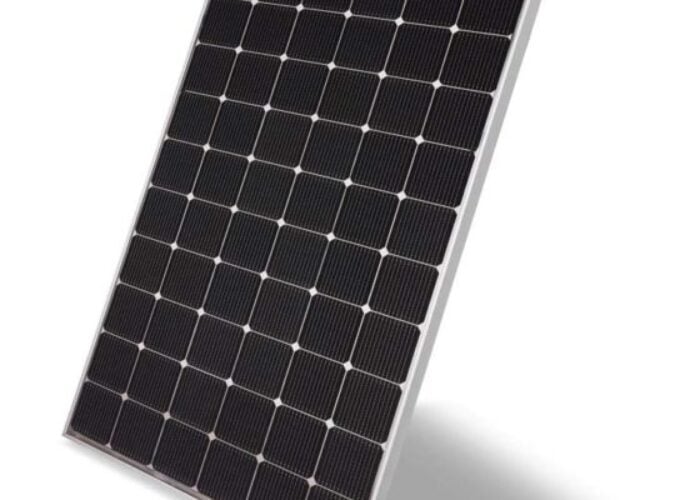
LG Electronics has introduced a higher performance version of its ‘NeON 2’ 72-cell solar modules using its N-type monocrystalline double-sided ‘CELLO’ cell architecture with 390W-plus performance. The company recently provided US project developer Cypress Creek Renewables with 8.5MW of 395W ‘NeON 2’ modules for one of largest solar-plus-storage installations in the country.
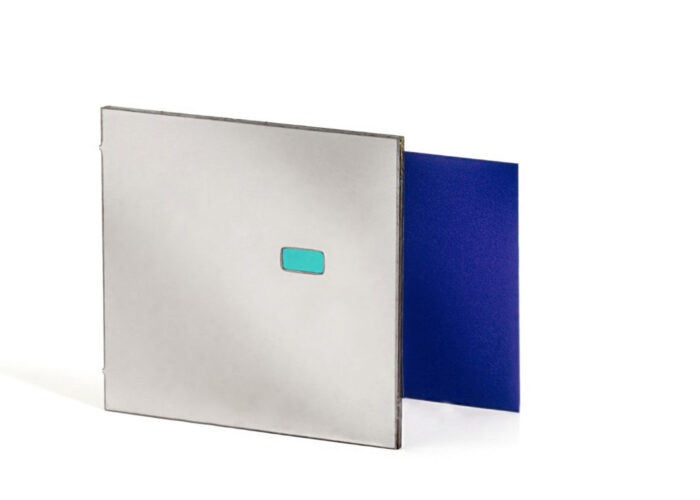
Nanoelectronics R&D organisation imec has reported a record 4-terminal Perovskite/silicon tandem photovoltaic cell with a conversion efficiency of 27.1%, while claiming further microcrystal engineering leads a path of efficiencies of over 30%.
As module suppliers adapt to the slowdown of Chinese module demand in 2018 and 2019, global EPCs and developers are likely to see new Asian-produced panels being offered for both rooftop and ground-mount installations.
China-based integrated PV module manufacturer Wuxi Suntech Power Co has recently renewed its 25-year module performance warranty cover with Munich Re Group and Ping An Insurance, the fifth consecutive year, Suntech has cooperated with the both insurance companies, since 2014
PV Tech was recently given the opportunity to undertake an in-depth interview with Rongfang Yin, vice president of Trina Solar Group to understand the potential business impact on the company of the recent Chinese government policy changes and what if any new strategies were required.
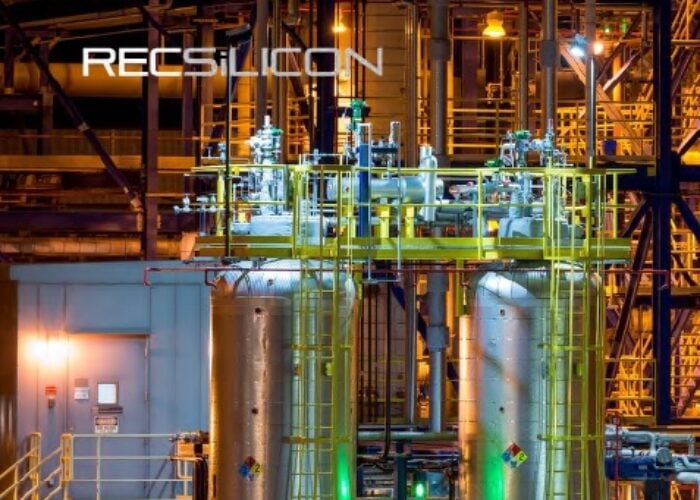
Polysilicon producer REC Silicon expects its FBR (Fluidized bed reactor) polysilicon production to decline 42% in the third quarter of 2018, after recently announcing further cuts in workforce and production at its Moses Lake facility that would operate at only 25% utilisation rates. The company noted that it was evaluating the possible suspension of all of its solar related materials business in the US.