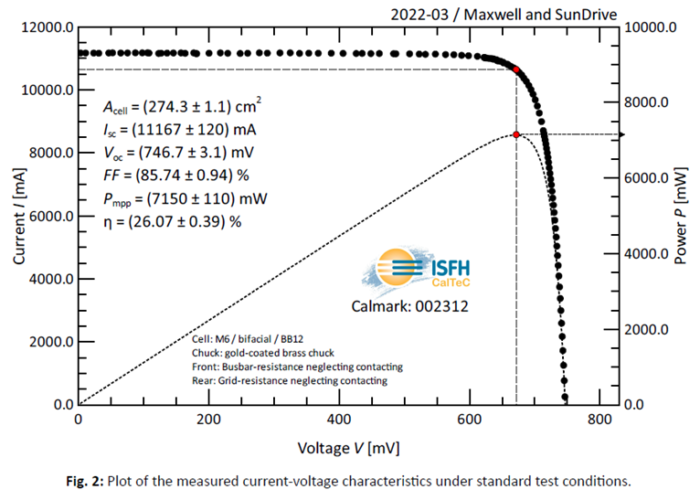
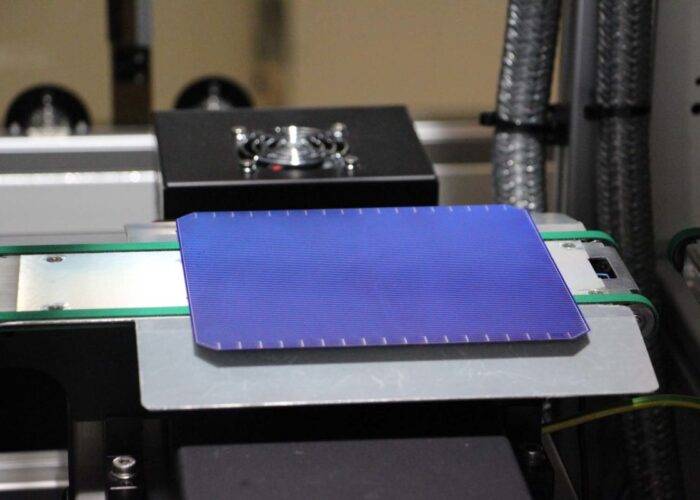
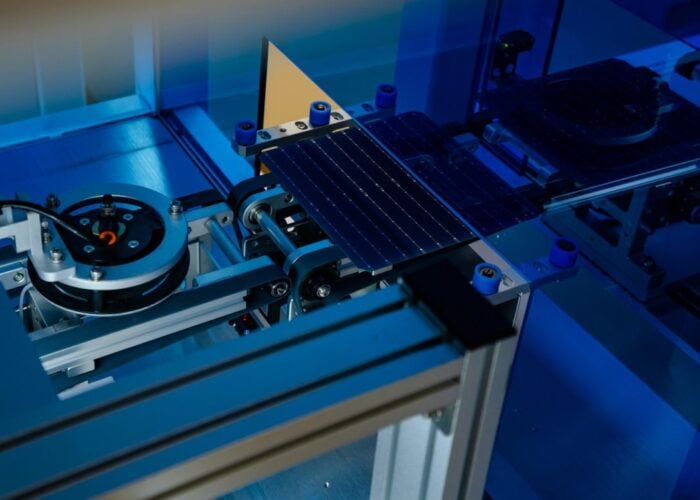
Heterojunction (HJT) equipment manufacturer Maxwell Technologies and Australian solar technology start-up SunDrive have laid claim to a breakthrough in mass production HJT technology after recording a conversion efficiency of 26.07% with a commercial-size solar PV cell.
PV Tech Research’s Finlay Colville reveals which manufacturers are driving the PV industry’s transition to n-type, explaining why what these companies do in the next two years will shape the sector moving forward.
PV CellTech 2022 is to be held in Berlin, Germany, the first time the industry-leading event will be located in Europe. Finlay Colville previews the event and provides attendance details.
As 2021 draws to a close, PV Tech is reviewing the year in solar, reflecting on some of the biggest stories and hottest trends of the last 12 months. Today we start in orderly fashion, analysing the headlines from the first three months of the year, as the industry got off to a roaring start.
While Mono-PERC is the eminent solar cell technology presently, its dominance is expected to be short lived with n-type TOPCon cells primed to takeover. But when will that technology shift happen? What does it mean for heterojunction? And what does that mean for tandem cells or perovskites? Liam Stoker finds out
Heterojunction cell and module manufacturer Meyer Burger has reduced module output at one of its production plants in Germany as COVID-19 is causing above-average workforce absences due to illness and quarantine orders.
Heterojunction cell and module manufacturer Meyer Burger is planning to set up a module production plant in the US that is expected to be operational by the end of next year.
Backed by a new heterojunction module factory in Florida and the expansion of its production plant in Minnesota, solar manufacturer Heliene is looking to take advantage of US policy support to meet increasing demand for American-made PV equipment. Jules Scully discusses the company’s growth plans with CEO Martin Pochtaruk.