The UK should transition to zero carbon electricity generation by 2035 and have 85GW of installed solar capacity by 2050 if the country is to meet its net zero target.
That is according to a new report from the UK government’s climate advisory body, which forecasts an average build rate of 3GW of additional solar per year between 2030 and 2050, with solar’s levelised cost of electricity expected to be £40/MWh (US$52.7/MWh) by mid-century.
Try Premium for just $1
- Full premium access for the first month at only $1
- Converts to an annual rate after 30 days unless cancelled
- Cancel anytime during the trial period
Premium Benefits
- Expert industry analysis and interviews
- Digital access to PV Tech Power journal
- Exclusive event discounts
Or get the full Premium subscription right away
Or continue reading this article for free
The Climate Change Committee (CCC) report, called the Sixth Carbon Budget, is described as the world’s first detailed roadmap for a fully decarbonised nation, and comes after the UK's net zero ambition was enshrined in law last year. After ditching coal generation by 2024, the plan calls for the government to phase out unabated gas for electricity generation by 2035.
The CCC said the changes are “feasible and affordable”, but only if they are led by decisive action from government. “As we emerge from the COVID-19 pandemic, the Sixth Carbon Budget is a chance to jump-start the UK’s economic recovery. Anything less would shut us out of new economic opportunities,” said CCC chairman Lord Deben.
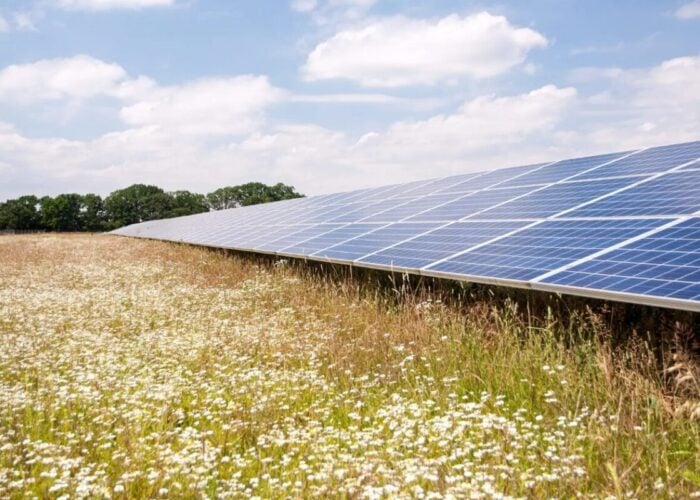
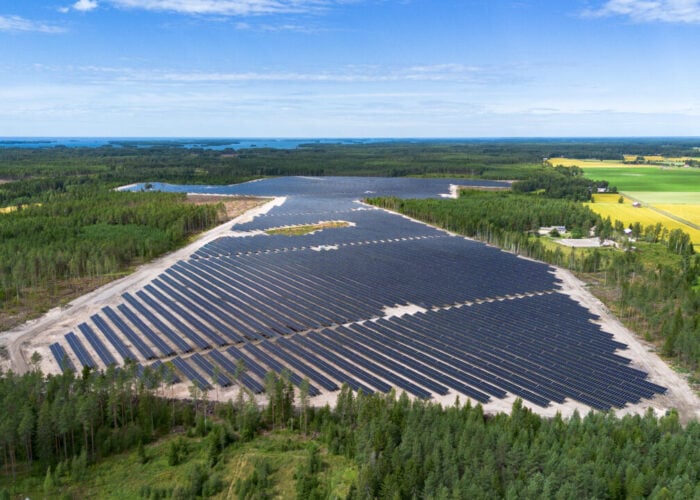
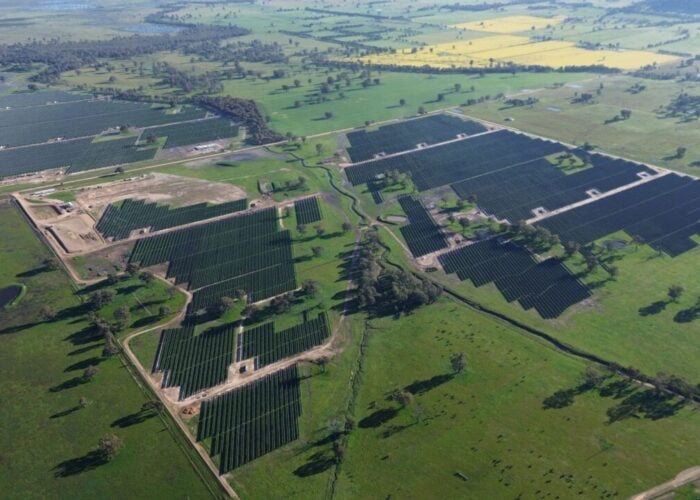
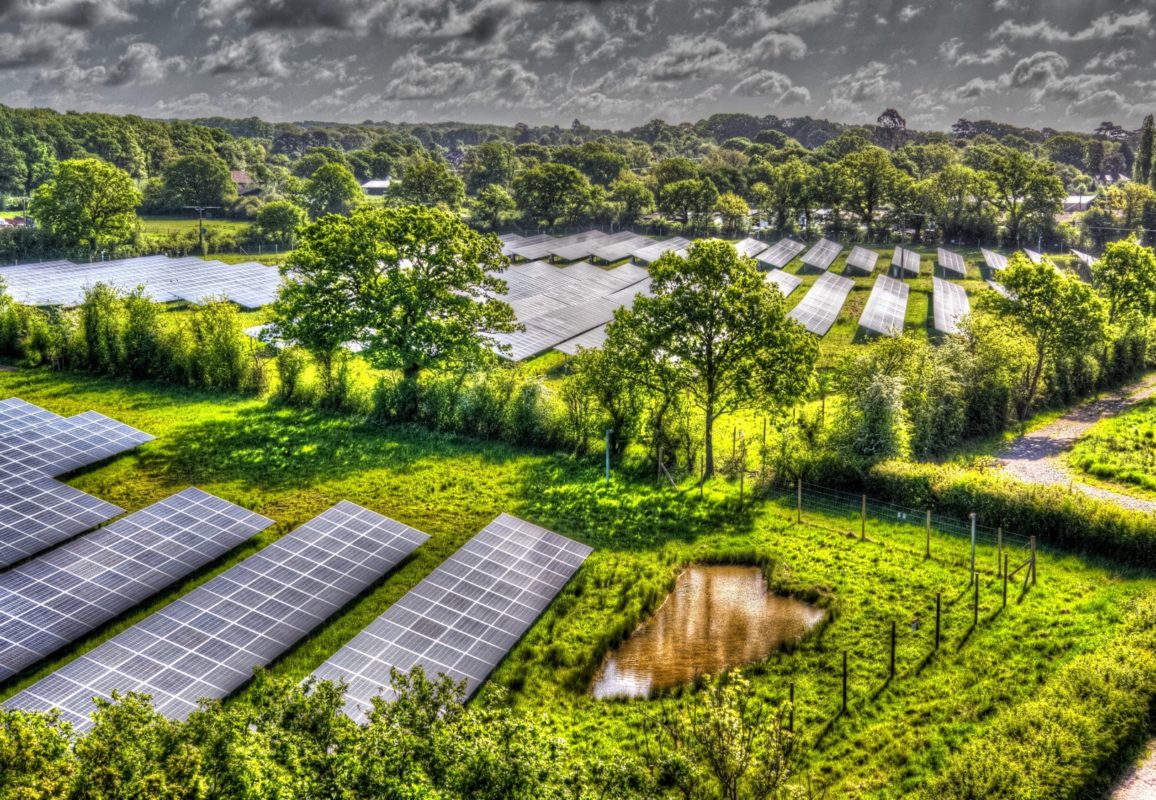
According to the report, the UK currently has an installed capacity of 13GW of large-scale solar, requiring 290km2 of land. Maximising the potential of solar generation would need an additional 1,500km2 of land to be used.
With offshore wind expected to become the backbone of the UK energy system, the technology’s capacity is expected to reach 95GW by 2050, with solar providing between 10% and 15% of total generation.
CCC says that while solar is less suitable to meet the seasonal patterns of demand in the UK, which is higher in winter due to heating requirements, surplus generation when output is high could be used to produce green hydrogen. It forecasts low-carbon hydrogen to be almost as large, in 2050, as electricity production is today.
New uses for the growth in clean energy are expected to be found in transport, heating and industry, pushing up electricity demand by 50% over the next 15 years, and doubling or even trebling demand by mid-century.
Meanwhile, to accommodate the high levels of renewables, a more flexible energy system will be needed, the report said, requiring improvements in system flexibility from storage, interconnection and demand-side response.
With the UK set to host the 26th UN Climate Change Conference of the Parties (COP26) in Glasgow next November, the roadmap has been largely welcomed by the country’s renewables industry.
Rebecca Williams, head of policy and regulation at trade association RenewableUK, said: “The CCC is right to urge government to move faster to reach net zero by taking a series of key steps which will benefit consumers by delivering cheap energy, as well as slashing carbon emissions.” She has called on the government to ramp up renewable hydrogen as well as onshore and floating wind.
Rob Gross, director of the UK Energy Research Centre, said that while progress in the power sector has been strong, with emissions halved in the last decade, challenges remain, particularly in terms of system balancing.
“We need to address the inter-seasonal mismatch in demand and output,” he said. “Interconnection and smart charging of cars, or heating of homes will help, but if we cannot store electricity for longer than a few hours, we will have to curtail the generation of zero carbon electricity when supply exceeds demand. We need cost effective bulk storage if we are to avoid wasting low carbon electricity and resorting to fossil-fired plant when supply is low.”