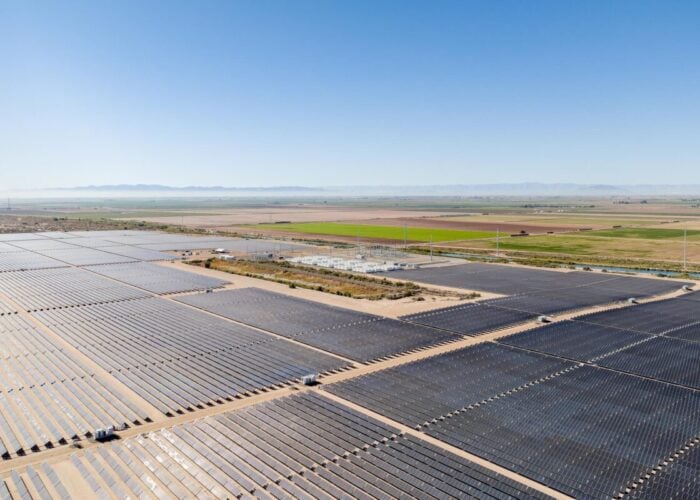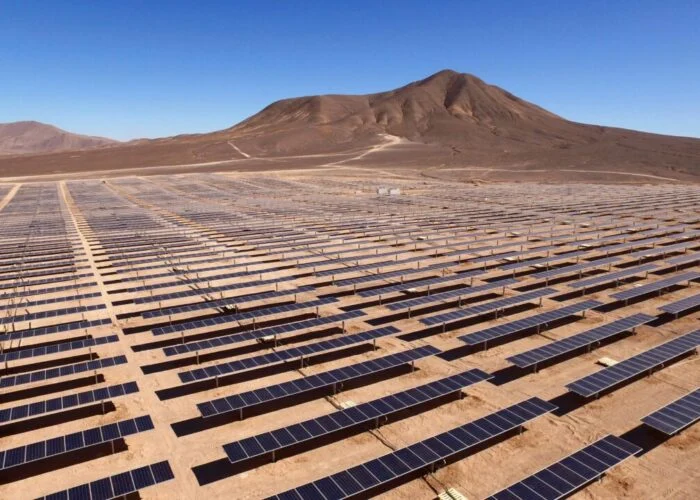
The growing fleet of utility-scale solar assets in the US is “dramatically underprepared” for severe hailstorms, according to the CEO of technical advisory firm VDE Americas.
In a statement accompanying the launch of VDE’s new Hail Risk Intelligence monitoring programme, John Sedgwick, CEO of VDE Americas, said: “Despite the growing demand for large deployments of solar power generation infrastructure, when we speak to high-value solar asset owners, it’s clear that the hail risk to these large-area assets is often unknown.”
Try Premium for just $1
- Full premium access for the first month at only $1
- Converts to an annual rate after 30 days unless cancelled
- Cancel anytime during the trial period
Premium Benefits
- Expert industry analysis and interviews
- Digital access to PV Tech Power journal
- Exclusive event discounts
Or get the full Premium subscription right away
Or continue reading this article for free
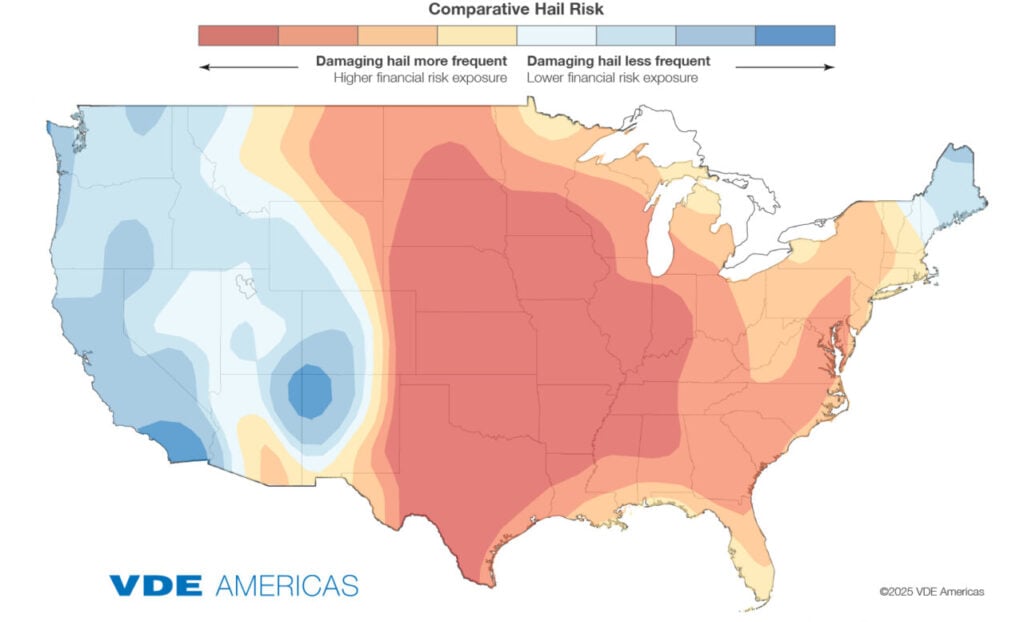
Damaging hailstorms can occur frequently across much of the central, southern and Midwest US in states such as Texas and Illinois, which have become major utility-scale solar markets. Damage from these storms can heavily impact solar installations, disrupt energy production and supply and cause millions of dollars of damage.
VDE Americas claims the new system can forecast the economic risk of potential hailstorms for US solar projects. The programme uses test data and on-site forensics to model both the weather conditions and the hail-resistance of solar modules on the market, the company said. It then produces maps and data which assess the hail risks across the continental US.
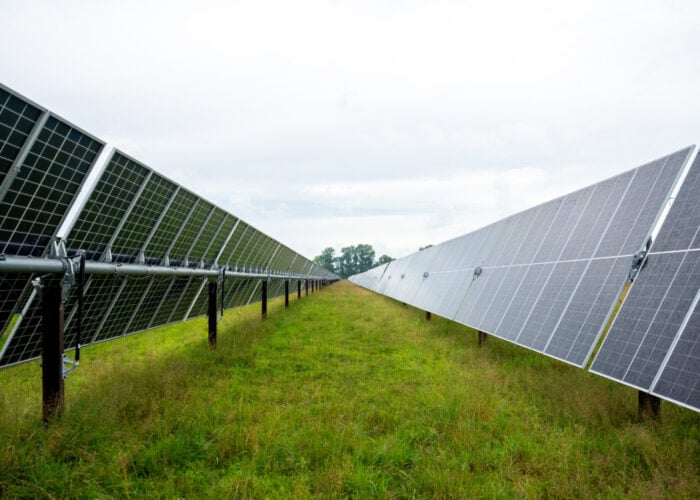
The company said it developed the Hail Risk Atlas after a series of hailstorms “caused hundreds of millions in damages to US solar infrastructure”. Sedgwick wrote a blog post for PV Tech in January exploring the impact of hail damage at the Fighting Jays solar project, which was hit by a series of hailstorms in March 2024. In the post, he said that hail stow measures – where tracker systems change the angle of solar modules to protect them from direct hail impacts – had prevented “widespread physical damage at several utility-scale solar farms near Fighting Jays that were also exposed to very severe hail”.
In this week’s announcement, Sedgwick said: “North America’s solar energy infrastructure is dramatically underprepared for catastrophic events like hail.”
“Our goal with the introduction of the Hail Risk Atlas, as part of our suite of Hail Risk Intelligence solutions, is to solve this problem so that solar power assets remain operational and carry us decades into the future. We believe this level of weather mapping represents a huge step forward in how we can adapt to and mitigate extreme weather losses and gives the energy industry a new tool in its asset protection arsenal.”
Alongside a changing climate which can bring more frequent extreme weather events like hailstorms, the construction of solar modules themselves can affect the impact of hail. A report from the National Renewable Energy Laboratory (NREL)– an entity under the US Department of Energy (DOE) – found that thinner and taller modules were contributing to a recorded increase in cracks and breakages. Larger dimensions and thinner glass – which is a byproduct of the slim price margins affecting most module manufacturers at the moment – also make the modules more susceptible to hail damage.
The DOE launched a US$2.4 million initiative in September to find new approaches to ensure the resilience of solar PV installations.