The US solar market experienced its worst quarter for installations since the start of the pandemic in Q1 2022, weighed down by regulatory and supply chain issues.
During Q1 2022 the US solar industry installed 3.9GWdc of solar capacity, a 24% drop from Q1 2021 and a reduction of more than half from the previous quarter, according to the US Solar Market Insight report produced by the Solar Energy Industries Association (SEIA) and Wood Mackenzie.
Try Premium for just $1
- Full premium access for the first month at only $1
- Converts to an annual rate after 30 days unless cancelled
- Cancel anytime during the trial period
Premium Benefits
- Expert industry analysis and interviews
- Digital access to PV Tech Power journal
- Exclusive event discounts
Or get the full Premium subscription right away
Or continue reading this article for free
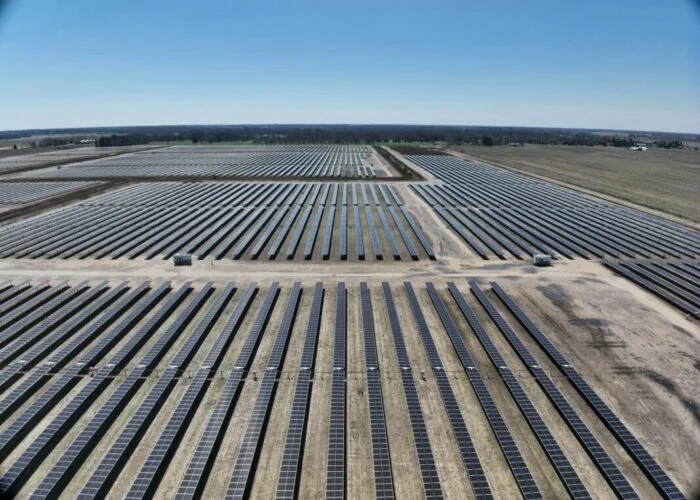
Utility-scale solar had the biggest drop with 2.1GWdc of installs during the first quarter of the year, its lowest number since Q3 2019.
This decline is primarily due to supply chain constraints – with the Department of Commerce’s investigation into circumvention of AD/CVD tariffs putting to a stop shipments of equipment to the US from certain manufacturers – and shipment delays that were exacerbated by trade policy disruptions during the second half of 2021.
As a result, the utility-scale segment had its lowest number of new projects added to the pipeline since 2017 and a total of 17.6GWdc or projects in development have been delayed by at least a year with 450MW of projects cancelled, according to Wood Mackenzie’s data.
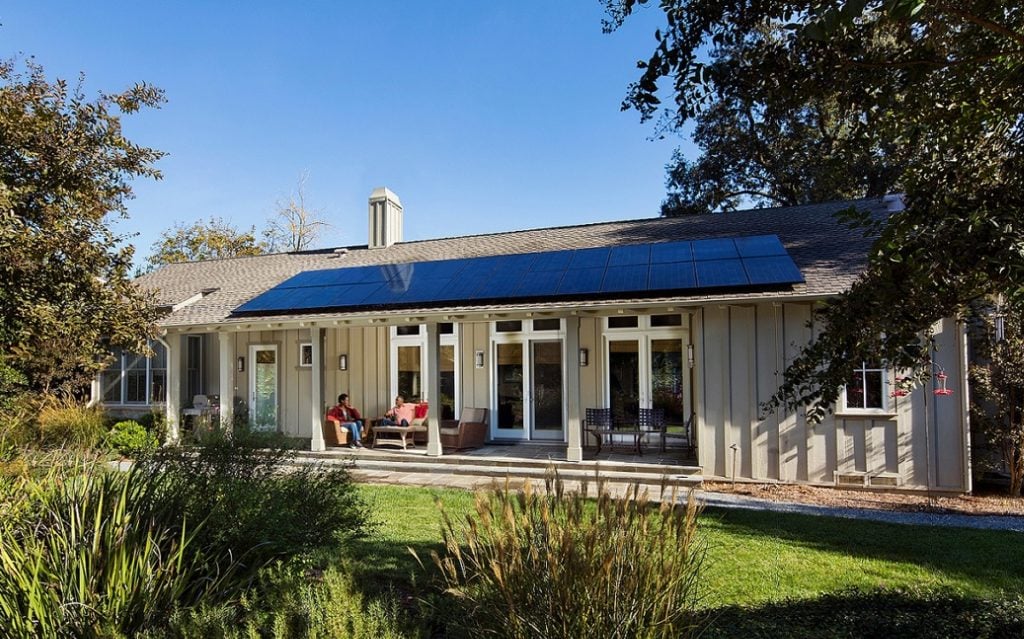
Residential solar is the only segment which had a better outcome for the first quarter of the year, installations rising for a fifth quarter in a row with a record 1.2GWdc in added capacity, a 30% increase year-on-year.
Moreover, both commercial and community solar also witnessed a decline in installations during Q1 2022, falling by 28% and 59% from the previous quarter respectively.
But this week’s announcement from the Biden administration, waiving tariffs on solar imports from Southeast Asian countries for two years, will bring “relief” to the solar industry, said Michelle Davis, principal analyst at Wood Mackenzie.
“Despite this, this announcement is expected to create approximately 2-3GW of upside potential to Wood Mackenzie’s 2022 base case outlook, assuming the global market resumes normal operations,” added Davis.
However, analysts who spoke to PV Tech have said it will “not be so easy to undo” the halted module shipments to the US and other disruptions caused by the AD/CVD, with forecasts for 2022 still lower than last year.
Abigail Ross Hopper, SEIA president and CEO, said: “President Biden has clearly taken notice of how drags on the industry are hampering grid resiliency. By acting decisively, this administration is breathing new life into the clean energy sector, while positioning the U.S. to be a global solar manufacturing leader.”