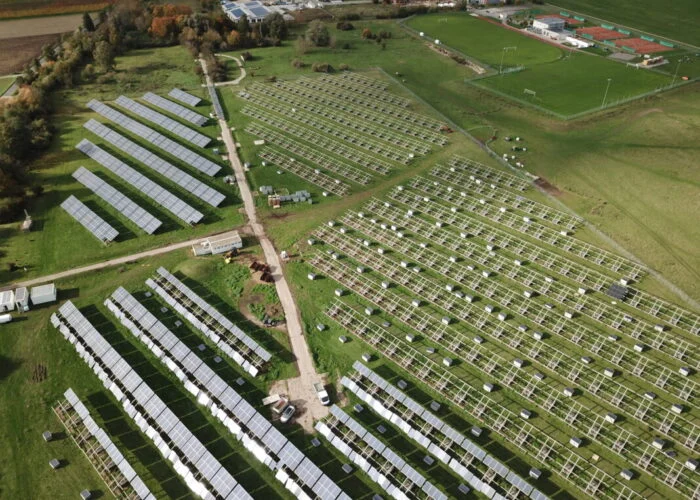
Taiwan has reportedly increased its target for generating power from renewable sources after the new feed-in tariff law significantly increased the demand for emissions-free electricity on the island. The new installed power capacity target is set to reach 16% by 2025 in comparison to the previous 15.1% milestone.
The new target was announced by Linda Chen, chief secretary of the Bureau of Energy, at a forum in Taipei on September 28. President Ma Ying- jeou, who took office in May 2008, has pledged to cut emissions to 2000 levels by 2025. Lawmakers approved the Renewable Energy Development Act in 2009.
Try Premium for just $1
- Full premium access for the first month at only $1
- Converts to an annual rate after 30 days unless cancelled
- Cancel anytime during the trial period
Premium Benefits
- Expert industry analysis and interviews
- Digital access to PV Tech Power journal
- Exclusive event discounts
Or get the full Premium subscription right away
Or continue reading this article for free
Back in December last year, Taiwan’s government set minimum wholesale prices for electricity generated by solar panels at higher levels than for those for power from fossil fuels with the aim of increasing the production of renewable energy. Feed-in tariffs (FiT) are at least NT$11.12/kWh ($0.35) the Bureau of Energy said in a statement on its website. This figure compares with an average cost of NT$2.06/kWh from fossil fuels.
“Demand for renewable energy is robust,” said Chen. “Renewable energy may account for 10% of installed electricity capacity by the end of the year, compared with 8.2% currently.”
Since the release of the tariff rates, the government has received 693 applications to build 405MW of renewable energy capacity (using varying technologies including solar and wind). As well as increasing the amount of renewable generation, the government is also cutting the amount of energy used per unit of gross domestic product by half before 2025, Chen said. “The measures include subsidies for purchases of equipment that conserve energy.” The state also has proposed an energy tax; however, Chen released no timetable for implementation of the tax and admitted that the details are still being debated.