In the first quarter of 2012, financial investment in clean energy has been the weakest since 2009, states Bloomberg New Energy Finance. The figures published demonstrate investment was down 28% from Q4 2011 to just US$27 billion – 22% lower than the equivalent figure in the first quarter of last year. This includes venture capital, private equity, public markets and asset finance, but excludes small-scale projects and corporate and government RD&D.
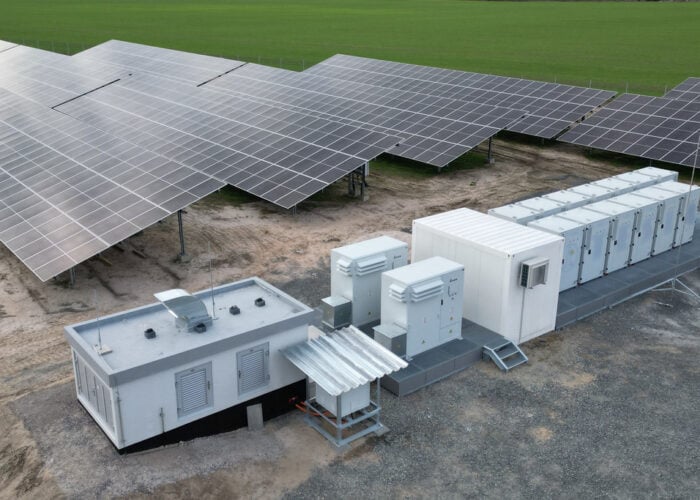
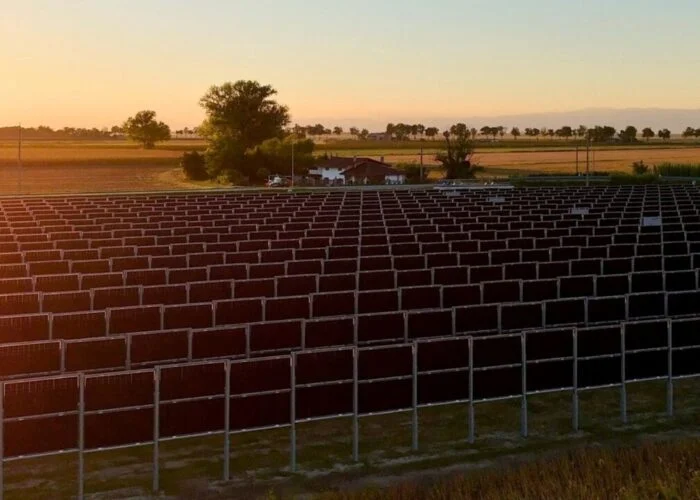
Utility-scale renewable energy projects, such as wind farms and solar parks, received US$24.2 billion in asset finance, with US$1.9 billion of venture capital and private equity investment in specialist clean energy companies. US$601 million was raised on the public markets.
Try Premium for just $1
- Full premium access for the first month at only $1
- Converts to an annual rate after 30 days unless cancelled
- Cancel anytime during the trial period
Premium Benefits
- Expert industry analysis and interviews
- Digital access to PV Tech Power journal
- Exclusive event discounts
Or get the full Premium subscription right away
Or continue reading this article for free
Michael Liebreich, chief executive of Bloomberg New Energy Finance, said, “A US$27 billion quarterly figure is not a disaster, but it is the weakest since the dismal US$20 billion seen in the first quarter of 2009, when the financial crisis was at its worst.
“The weak Q1 2012 number reflects the destabilising uncertainty over future clean energy support in both the European Union – driven by the financial crisis – and the US – driven by the expiry of stimulus programmes and the electoral cycle. There is no sign of a rapid turnaround in either of these regions in the next 12 months. Clean energy technologies, particularly solar photovoltaics and onshore wind, continue to fall in price and approach competitiveness with fossil-fuel power – but politicians in many countries appear to be ducking the decisions that would ensure that the sector maintains its growth trajectory. We are seeing growth in some of the non-core markets around the world, but they will have a tough job replacing weakening demand in the developed world.”
In Europe, governments in key countries such as Spain, Italy, Germany, Poland and the UK have announced cuts in incentives for renewable power projects and in some cases leaving investors guessing about their likely future returns.
One of the largest projects financed in Europe in Q1 – in the face of a difficult market for bank lending following last autumn’s euro area crisis – was the 60.4MW SunEdison Karadzhalovo solar PV plant in Bulgaria at US$248m.
Public market investment in clean energy of US$601m was down 12% from the fourth quarter, and 87% from the first quarter of 2011 – a plunge that was not surprising, given the poor performance of sector shares in the last year. The WilderHill New Energy Global Innovation Index (NEX), which tracks the movements of 97 clean energy shares worldwide, fell 40% in 2011 and clawed back just 7% in the first quarter of 2012 as world stock markets rebounded.
The largest two public market deals in clean energy in Q1 were both initial public offerings by US companies in the biofuel sector – Ceres, a developer of genetically-modified energy crops, raised US$74.8m, and Renewable Energy Group, a maker of biodiesel, raised US$68.6m.
Liebreich announced, “The outlook for investment in the remainder of the year remains difficult. The rapidly improving cost-competitiveness of renewable energy technologies is stimulating activity, particularly in developing countries. However it is becoming harder to see the sector worldwide beating last year’s record, unless the storm-clouds lift in Europe and US congress stops bickering sends some clear signals about the importance of new energy technologies. Meanwhile, continuing improvements in the sector’s economics mean that companies which survive these next few years, whether on the industry’s supply or demand side, will be extremely well positioned for the next growth phase.”
In 2011, overall clean energy investment, including the “financial new investment” measure calculated quarterly but also annually-calculated totals for government and corporate research and development and small-scale projects such as rooftop solar, was a record US$263 billion. This compares to 2010’s total of US$247 billion and US$54 billion back in 2004. A final figure for 2011 will be published by mid-year as part of the UN Global Trends in Renewable Investment report, which will include information on late-reporting transactions from 2011.