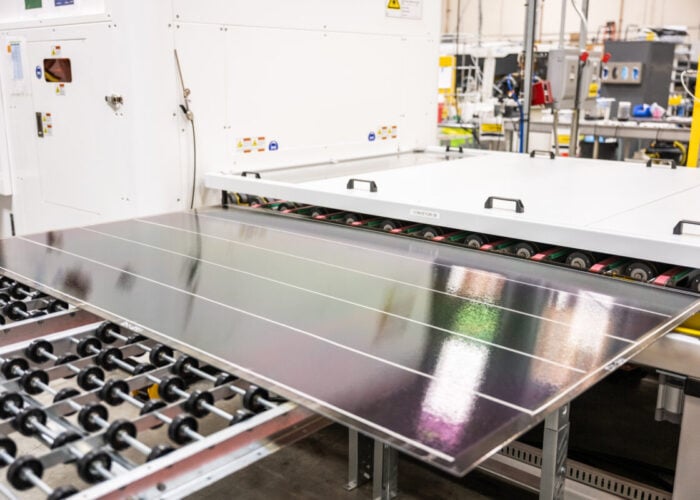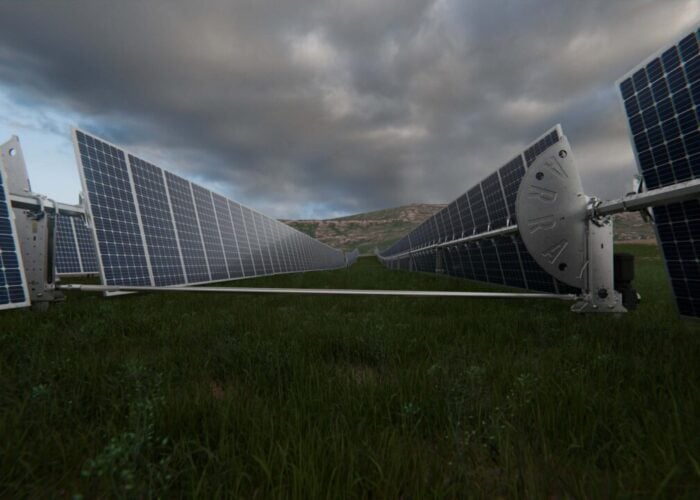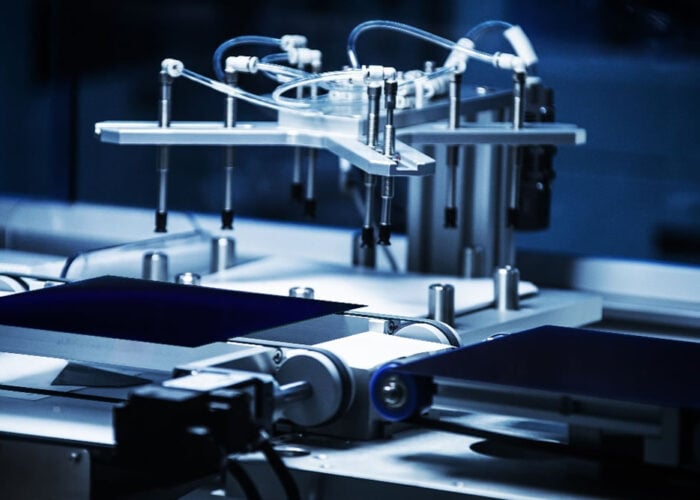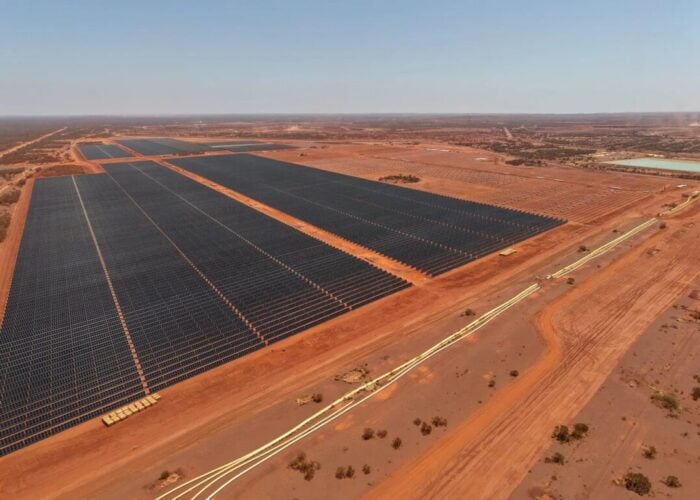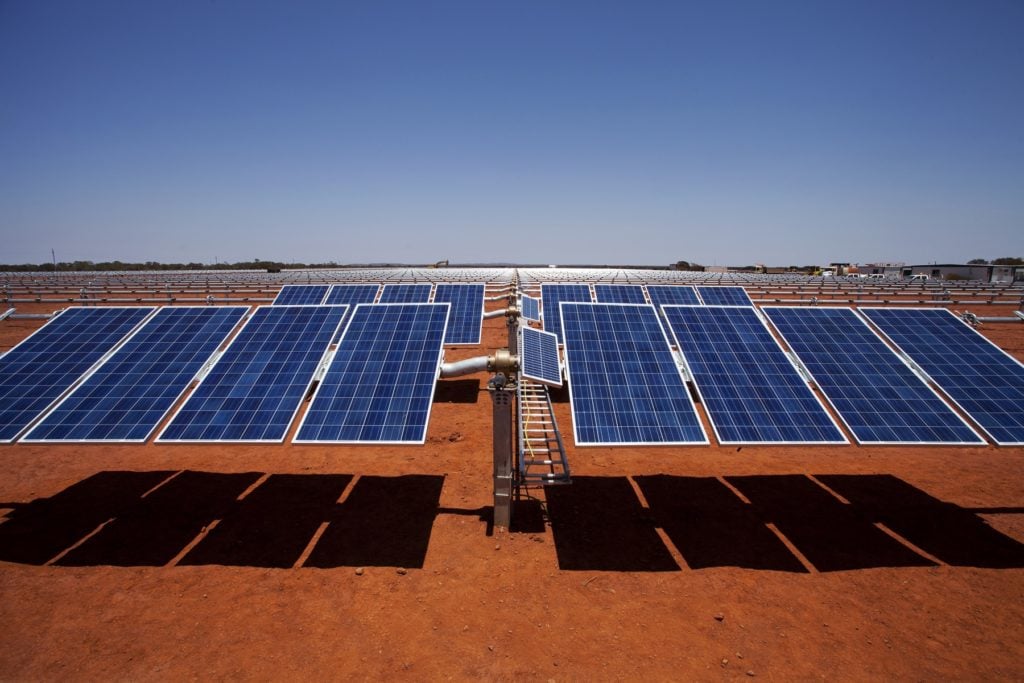
The Australian Renewable Energy Agency (ARENA) is providing AU$40 million in funding to support research and development (R&D) that can help Australia reach its ‘ultra-low cost solar’ goal, recently added as a priority under the country’s decarbonisation strategy.
Funding will also build on ARENA’s ‘Solar 30 30 30’ target of 30% module efficiency and a cost of AU$0.30c/W at utility scale projects by 2030.
Try Premium for just $1
- Full premium access for the first month at only $1
- Converts to an annual rate after 30 days unless cancelled
- Cancel anytime during the trial period
Premium Benefits
- Expert industry analysis and interviews
- Digital access to PV Tech Power journal
- Exclusive event discounts
Or get the full Premium subscription right away
Or continue reading this article for free
ARENA has invited applications that can reduce the levelised cost of energy (LCOE) for solar PV by 2030 across two streams: (1) cells and modules and (2) balance of system (BOS) and operations and maintenance (O&M). Applications open in February and close on 11 April.
Stream One aims to build on R&D and innovation in solar cells and modules, while Stream Two seeks to accelerate innovation that can drive down the upfront and ongoing costs of utility scale solar in the sector. Funding will be split equally between the two streams.
The Australian government has established a ‘ultra-low cost solar’ goal as part of its latest Low Emissions Technology Statement (LETS) that targeted a LCOE of AU$15/MWh, roughly a third of today’s cost, according to ARENA.
Australia’s solar researchers have been “leading the world for decades”, said ARENA CEO Darren Miller, pointing to the invention of the first PERC silicon solar cell – “technology which today is the foundation of more than 80% of the world’s solar panels”.
Miller said that such innovation continued through the Australian Centre for Advanced Photovoltaics (ACAP), which has received AU$84 million of funding over 10 years from ARENA, as well as various other research institutions.
“Ultra-low cost solar will be a vital component in helping Australia move towards a lower cost, largely renewable electricity system and achieve the goal of net zero emissions by 2050,” said Miller.
Reduction in the LCOE for solar will also translate into cheaper green hydrogen production, with LETS also having a goal of “H2 under AU$2” as well as other decarbonisation pathways for heavy industry including low emission materials such as green steel and aluminium.
Australia has made a big push on green hydrogen recently, with the US$10.75 billion Desert Bloom Hydrogen project in its Northern Territory being granted Major Project Status by the regional government, paving the way for commercial production of the 10GW green hydrogen facility by 2023.
ARENA has also selected three commercial-scale green hydrogen projects that will share in AU$103 million (US$79.7 million) of funding to support their development.
The organisation has been embroiled in a bitter dispute between climate advocated and the federal government, however. Advocates and lawyers have criticised the conservative government’s attempts to restructure ARENA by directing it to fund carbon capture, fossil fuel hydrogen and ‘low emission’ technologies. A leading Australian barrister has said the plan is open to serious legal challenge.