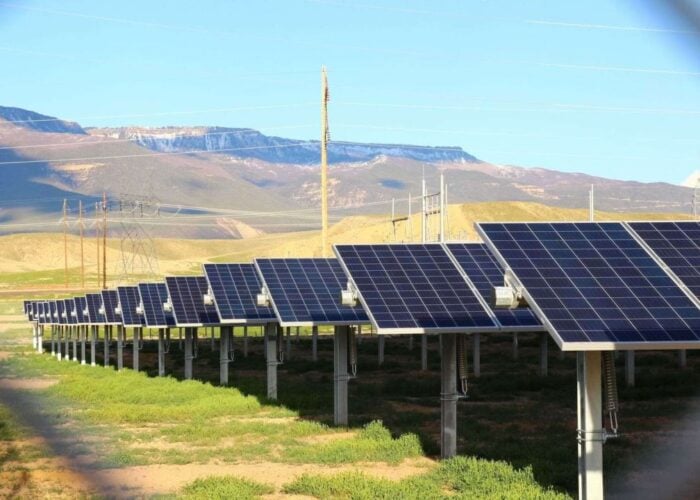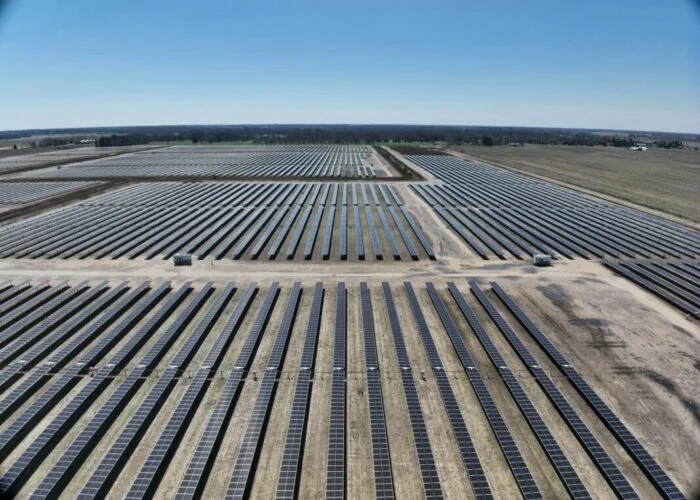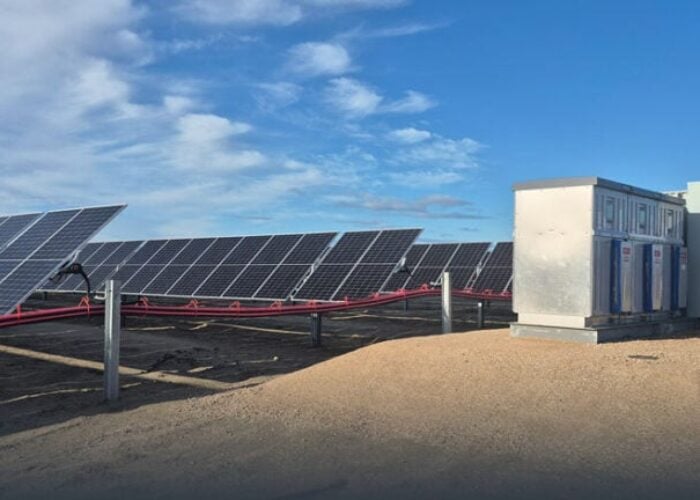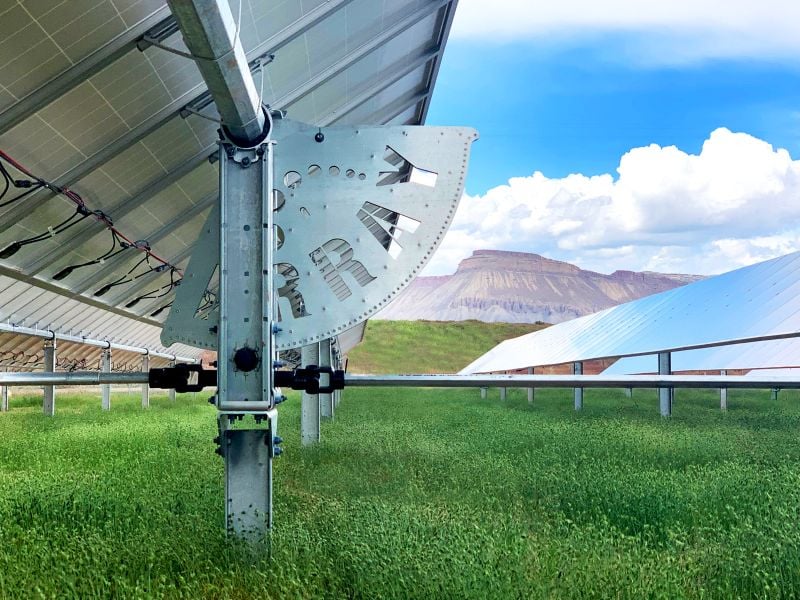
A new steel mill in Temple, Texas will supply steel tubing to solar tracker supplier Array Technologies for use in its deployments at utility-scale PV projects in the US.
The news follows the Internal Revenue Service’s guidance on the domestic content tax credits included under the Inflation Reduction Act (IRA), which offers a 10% bonus to renewables projects that meet its criteria for domestically-sourced components and material.
Try Premium for just $1
- Full premium access for the first month at only $1
- Converts to an annual rate after 30 days unless cancelled
- Cancel anytime during the trial period
Premium Benefits
- Expert industry analysis and interviews
- Digital access to PV Tech Power journal
- Exclusive event discounts
Or get the full Premium subscription right away
Or continue reading this article for free
Lock Joint Tube, a manufacturer of structural and mechanical-grade steel tubing, operates the new mill which was inaugurated last month. Array said that the companies’ partnership will create new manufacturing jobs and employ automation technology to increase efficiency in production.
A report from the Interstate Renewable Energy Council (IREC) last week found that the US solar sector saw a 3.5% increase in jobs between 2021-22.
“Our collaboration with Array Technologies advances our market leadership in serving the evolving needs of the US solar power and solar manufacturing sectors,” said Kevin Marks, president at Lock Joint Tube. “By utilising domestically-sourced steel, Lock Joint Tube enables our customers to maximise domestic steel content, which has become essential to the expansion of clean, renewable energy throughout the country underpinned by a growing US-based supply chain.”
Under the IRS’ domestic content guidance, steel products used in a solar PV array must be 100% US-made in order to qualify for the extra tax credits. Tracker supplier companies in the US are relatively well-poised to benefit from this: Nextracker in particular has established four steel mills across the US to supply its tubing for utility-scale PV.
The rest of a PV system, including modules, inverters, balance-of-system components and, crucially, cells must meet a minimum 40% domestic content threshold to qualify for the 10% adder. From 2026 this will increase to 55%.
Array Technologies saw almost 50% revenue growth in 2022 compared with 2021.