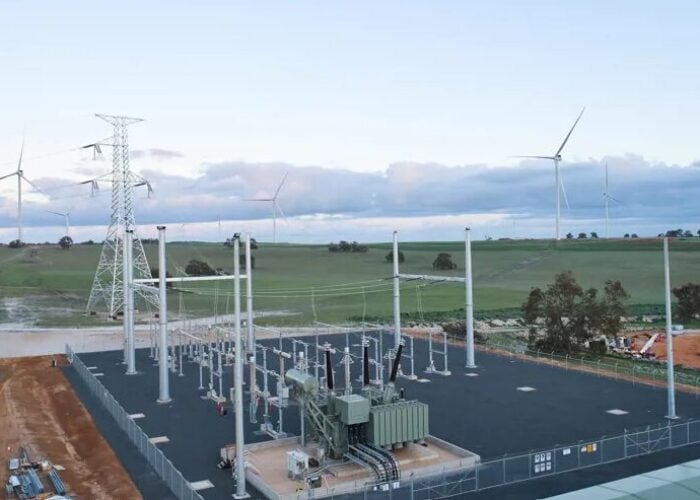
Australia must deploy an estimated 6GW of renewables capacity in order to meet its Renewable Energy target (RET) set for 2020, according to the nation's Clean Energy Regulator.
On 23 June last year, the Australian Parliament agreed to revise the RET for large-scale generation downwards from 41,000GWh by 2020 to 33,000GWh in the same period
Try Premium for just $1
- Full premium access for the first month at only $1
- Converts to an annual rate after 30 days unless cancelled
- Cancel anytime during the trial period
Premium Benefits
- Expert industry analysis and interviews
- Digital access to PV Tech Power journal
- Exclusive event discounts
Or get the full Premium subscription right away
Or continue reading this article for free
Achieving the target would require more than 23.5% of Australia’s electricity being derived from renewable sources by 2020, the regulator said in its annual report, which now includes a review of the progress of the RET strategy.
The regulator found that progress in 2015 was “adequate under the circumstances” and the Large-scale RET in 2020 is “achievable”. It also found no indication that the impact on household electricity bills in 2015 was more than anticipated when the target was amended.
The country accredited 41 renewable energy projects in 2015 with a combined capacity of 296MW. Of these projects, 38 were commercial and industrial-scale with capacity less than 10MW.
The regulator noted that these figures reflected the relatively short period of time since the new target was legislated and the observed slowdown in investment while the target remained under review. Industry commentators consistently attacked the delays in parliament to agree on a new RET as industry uncertainty saw investment all but grind to halt.
The regulator also noted: “Based on industry and published sources, we estimate additional capacity of around 9GW of large-scale renewables projects have development approval. If built, this is more than sufficient to meet the 2020 target.”
In any case, the total capacity of committed new build projects in 2016 will still need to be around 3GW for satisfactory progress towards the 2020 target.
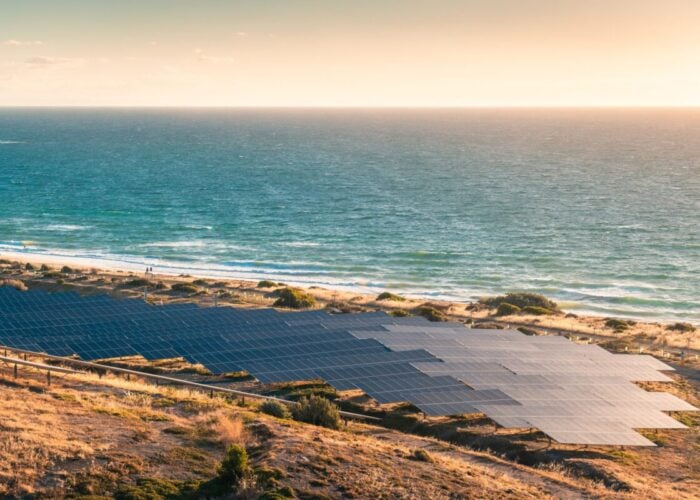
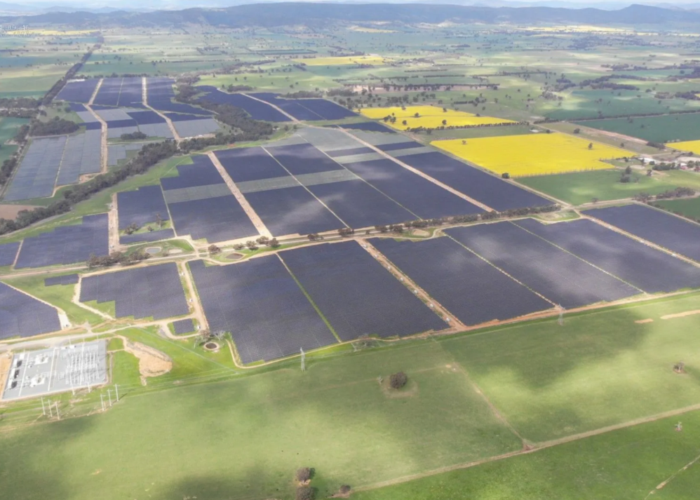
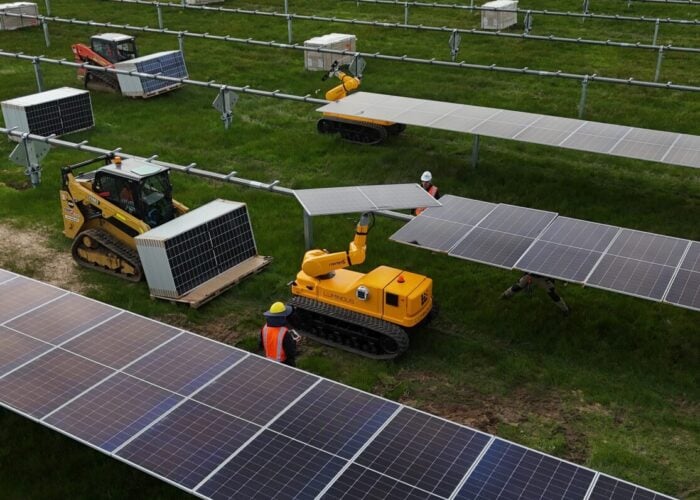
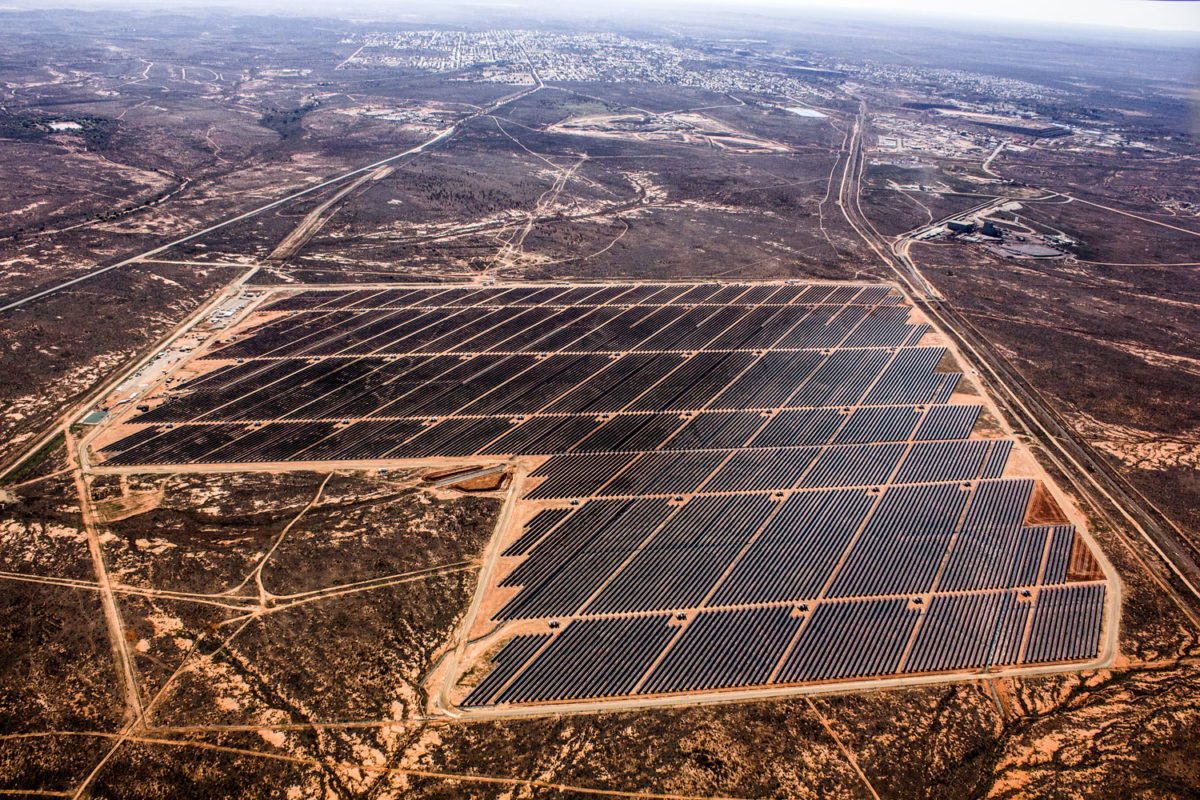
Solar projects accounted for the majority of accreditations for the second year running, with the total capacity of large-scale solar projects standing at 172MW in 2015, roughly tripling the amount of cumulative capacity in 2014. Meanwhile, the rate of uptake of solar panel installations on commercial and industrial sites also increased. Demand for household solar installations also “remained solid”.