New Zealand retailers Briscoe Group and Farro have signed electricity supply agreements with solar generator Lodestone Energy.
Lodestone did not disclose the contract lengths, volumes, start dates or which of its solar PV power plants will supply the two customers.
Try Premium for just $1
- Full premium access for the first month at only $1
- Converts to an annual rate after 30 days unless cancelled
- Cancel anytime during the trial period
Premium Benefits
- Expert industry analysis and interviews
- Digital access to PV Tech Power journal
- Exclusive event discounts
Or get the full Premium subscription right away
Or continue reading this article for free
Its announcement described them as “familiar New Zealand brands” with different electricity needs. Briscoe Group is an NZX-listed retailer that operates the Briscoes Homeware and Rebel Sport chains. Farro is an Auckland-based food retailer known for stocking small artisan producers.
Lodestone managing director Gary Holden said: “Electricity is an important operating cost. Our model helps businesses plan ahead with greater certainty over what they’ll pay, while their commitment supports investment in more solar generation for New Zealand.”
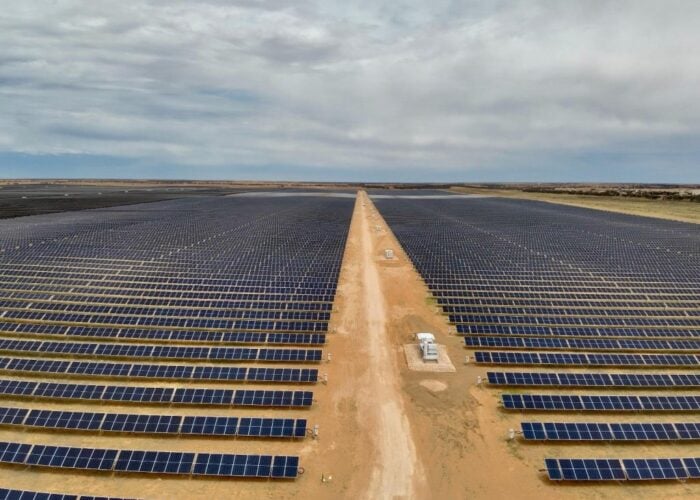
Lodestone is a vertically integrated generator that builds and operates its own solar PV power plants and sells the output directly to commercial and industrial customers through what it calls a “virtual rooftop” contracting model.
It owns and operates five utility-scale solar PV power plants included in this latest deal and is targeting 16 to 18 operating plants by the 2032 financial year.
The Briscoe Group and Farro agreements follow similar announcements with The Warehouse Group, Hall’s Group and Pink Batts.
The Warehouse Group signed a long-term agreement with Lodestone in 2023 covering more than 260 sites across the country, with supply from as early as 2026.
Lodestone is also expanding into mass-market retail and has announced an initial public offering on the NZX, with trading expected to commence on 22 October. The offer closes on 14 October.
Lodestone’s project pipeline
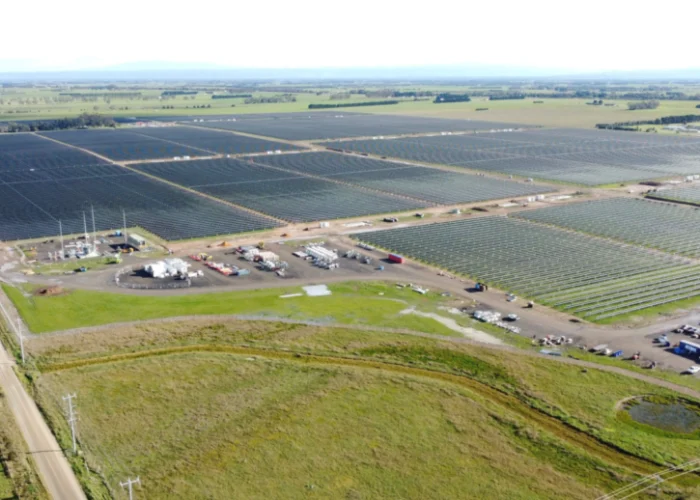
Lodestone’s portfolio includes the 42MW Te Herenga o Te Rā plant in the Bay of Plenty, which was energised in January 2025 as the first solar PV power plant connected directly to the national grid owned by Transpower. It is designed to generate about 69GWh a year.
The company’s other operating plants include the 33MW Kohirā plant in Kaitaia and the 32MW Rangitaiki plant in the Bay of Plenty, both connected to local distribution networks.
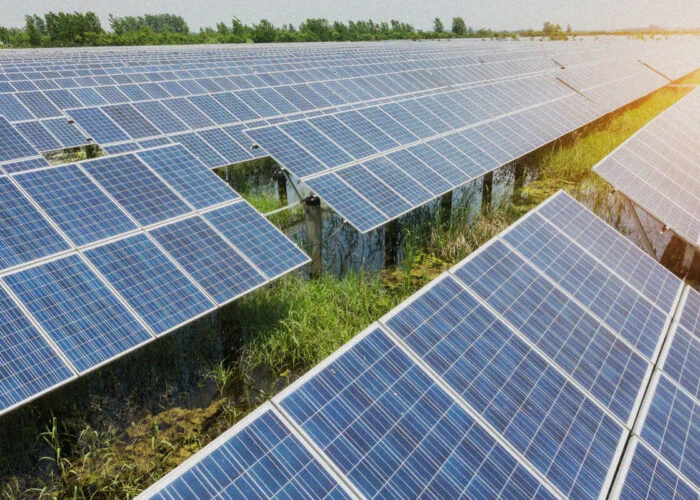
Te Herenga o Te Rā kept operating through extreme flooding in August 2025, when an atmospheric river left the site mostly submerged.
Lodestone had raised the inverter stations and connection boxes above ground, and used piles more than 4 metres deep, so the plant could operate in more than a metre of water. It disconnected the plant from the grid as a precaution once the rain stopped.
The company began construction in June 2025 on the 27.7MW Clandeboye plant in Canterbury, its first South Island start, designed to supply local milk processing and irrigation users with about 43GWh a year.
In July, Lodestone started work on a 31.5MWp plant at Ongaonga in Central Hawke’s Bay, a 50:50 joint venture with the consumer-owned lines company Centralines. ASB Bank backed it to financial close at NZ$50 million (US$29.5 million), and it is expected to start operating in autumn 2027.
Utility-scale solar PV is growing elsewhere in New Zealand, too. Harmony Energy New Zealand and Igneo Infrastructure Partners have energised the 202MWp Tauhei Solar Farm in Waikato, the country’s largest solar installation, with full commercial operations targeted for between September and October 2026.