The markets can be a frustrating place for the solar industry. Just ask Elon Musk. The negative perception of the SolarCity/Tesla merger often signals a lack of awareness of how far solar, energy storage and EVs have come.
When renewables-novice and coal champion Donald Trump won the US presidential election yesterday, the global energy industry gawked in horror. Initial review of the Republican billionaire’s energy plans might leave the impression that the progress clean energy sources have achieved so far will be undone. A deeper look into Trump’s energy policy under adviser Kevin Cramer reveals a siege on existing regulation and a roll-back on spending.
As Election Day inches closer, the prospect of ballot measure Amendment 1 becoming a bona fide constitutional amendment in Florida becomes even more pressing. In a press conference this week, former Florida governor and US senator Bob Graham detailed the shocking ramifications that the measure would have if it passed on 8 November.
As we finalize the agenda for PVCellTech 2017 – to be held in Penang, Malaysia, on 14-15 March 2017 – one of the key goals is to understand how solar cell advances in mass production are driving module availability to the market.
This blog contains the concluding part of my Tales from Taiwan feature, with the first blog - Tales from Taiwan Part 1: more capacity comes online, but not in Taiwan - appearing on PV-Tech earlier this week.
After a week in Taiwan, overlapping with the PV Taiwan exhibition and conference in Taipei last week, my main takeaway is the scale of new capacity that is confirmed to be coming online over the next 3-6 months, no matter what is happening today regarding supply levels and end-market demand. This and other conclusions from my week in Taiwan are covered in two blogs this week on PV-Tech.
On the day I left Taiwan after a busy week meeting with PV suppliers up and down the supply chain in May, 2016 that was organised by the Taiwan External Trade Development Council (TAITRA) the country elected its first female president, Tsai Ing-wen.
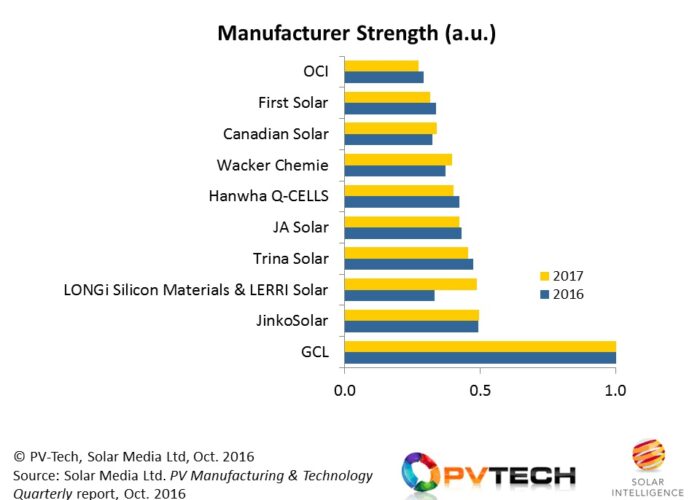
The entire solar PV upstream value-chain, including equipment and materials suppliers, is set for drastic changes during 2017, ushered in by a perfect storm of events that has impacted on the industry within a space of 2-3 months, according to the latest release of the PV Manufacturing & Technology Quarterly report from the research team of PV-Tech’s parent owner Solar Media, Ltd.
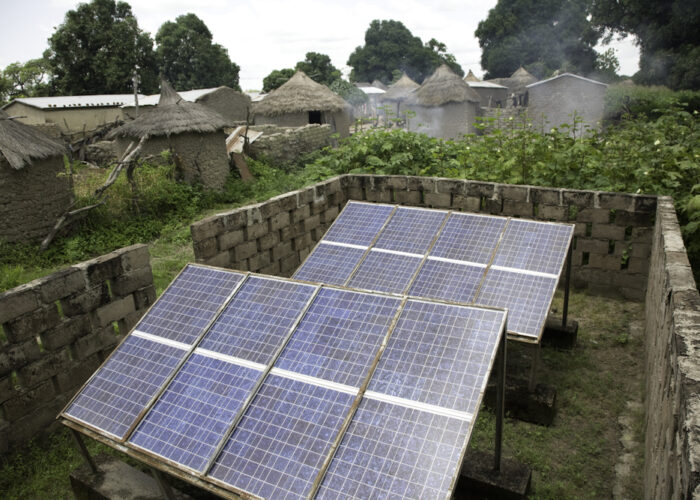
Despite regulatory ambiguities, the general consensus from industry stakeholders at this year’s Solar Energy UK | Clean Energy Live exhibition is that Africa’s solar sector is ripe for new entrants, posing a significant opportunity that should not be missed.