Australia’s Clean Energy Council (CEC) has been nominated by the Clean Energy Regulator (CER) to be the solar module and product listing body under the small-scale renewable energy scheme (SRES).
The CEC would be reappointed to continue approving solar and inverter modules and determining each product’s eligibility to be listed for small-scale technology certificates in the SRES.
Try Premium for just $1
- Full premium access for the first month at only $1
- Converts to an annual rate after 30 days unless cancelled
- Cancel anytime during the trial period
Premium Benefits
- Expert industry analysis and interviews
- Digital access to PV Tech Power journal
- Exclusive event discounts
Or get the full Premium subscription right away
Or continue reading this article for free
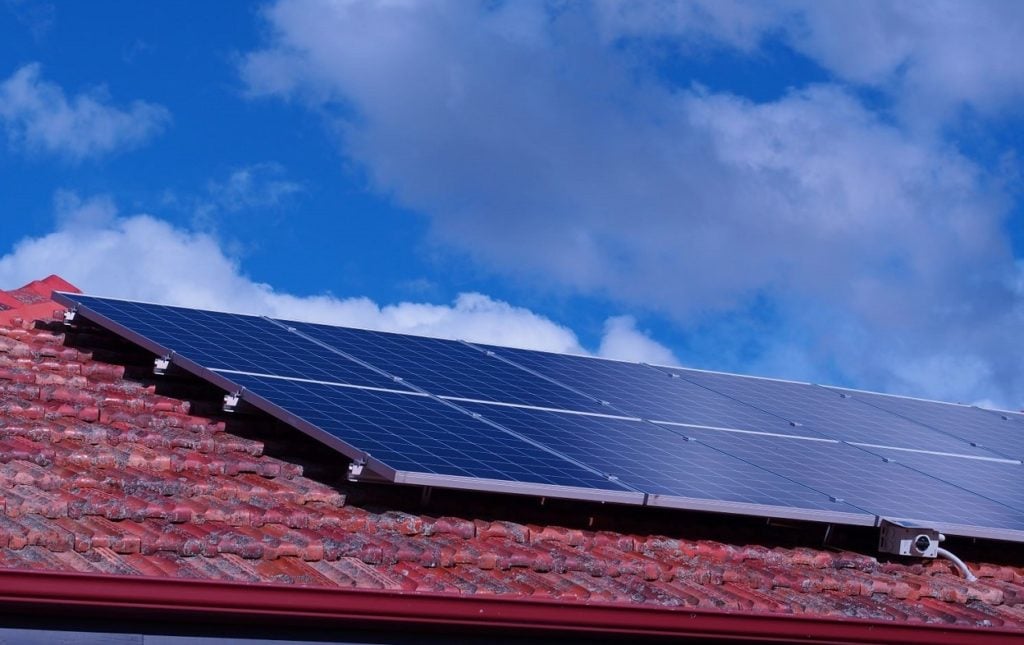
Under the SRES scheme, consumers are entitled to small-scale technology certificates, which can be sold to recoup a portion of the cost of purchasing and installing the system. This has helped bolster installed rooftop solar PV capacity, which in 2023 surpassed 20GW across Australia. However, this has slowed in recent months, sparking the CEC to call for a national strategy to bolster uptake in early June.
The product listing under the SRES only covers solar modules and inverters, it doesn’t cover batteries.
Applications were considered against mandatory evaluation criteria outlined in the renewable energy (electricity) regulations 2001.
Clean Energy Council chief executive Kane Thornton said he hopes the CEC can “continue to deliver accreditation services and a strong product assurance program that provides certainty and efficiency for product manufacturers and confidence for Australians.”
The CER is asking for further submissions from other organisations to attain the role. These will be considered over a 28-day period, ending after 5pm on 11 August 2024. The CER will then make a final nomination decision.
“While the process will now enter a 28-day consultation period, this step is strong recognition of the technical depth, experience and professionalism of the CEC’s team and a positive outcome for industry,” Thornton added.
Until a final nomination is made, the CEC will continue to publish the approved solar panel and inverter lists.