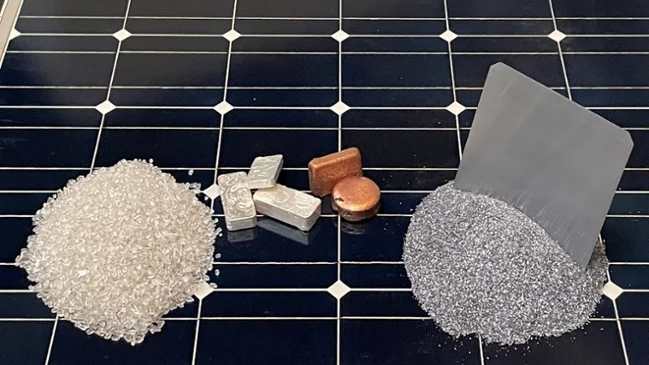
Germany is on course to produce over 600,000 tonnes of solar PV waste material by 2030, potentially worth billions in aluminium and silver.
A new study from the Fraunhofer Centre for Silicon Photovoltaics (CSP) found that the current installed stock of solar modules in Germany contains “considerable” raw material potential, particularly from metal recovery. But that recovery depends on effective module recycling processes.
Try Premium for just $1
- Full premium access for the first month at only $1
- Converts to an annual rate after 30 days unless cancelled
- Cancel anytime during the trial period
Premium Benefits
- Expert industry analysis and interviews
- Digital access to PV Tech Power journal
- Exclusive event discounts
Or get the full Premium subscription right away
Or continue reading this article for free
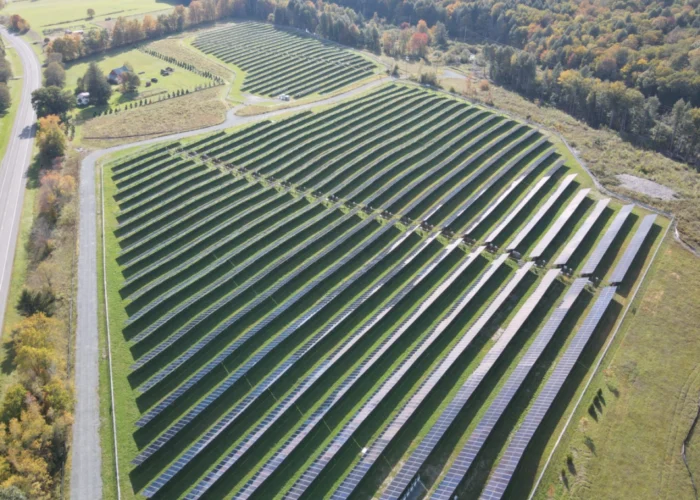
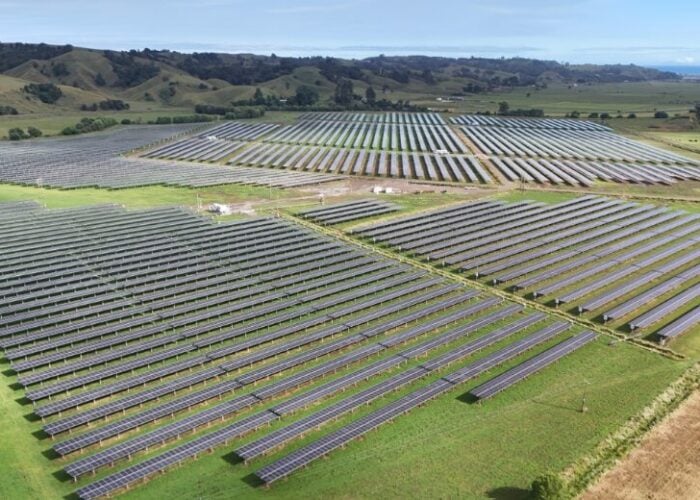
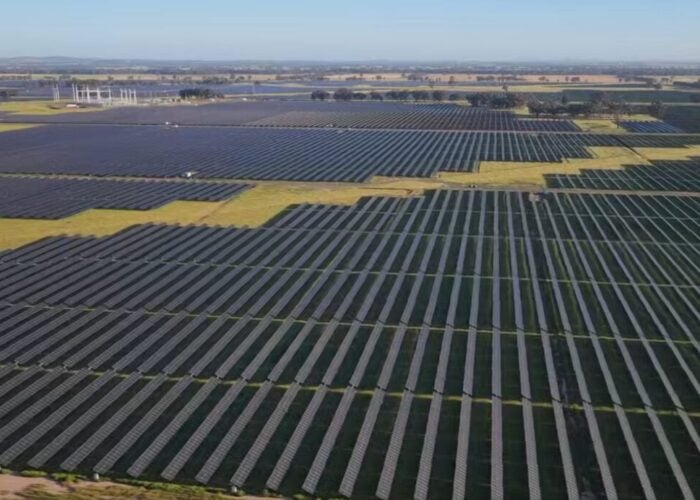
Germany had roughly 5.35 million tonnes of PV modules installed by 2023, which corresponds to around 660,000 tonnes of aluminium and 3,900 tonnes of silver worth around €4.8 billion (US$5.4 billion) at today’s prices. Those figures have increased in the years since 2023 and will need to nearly double by 2030 for Germany to hit its solar deployment targets.
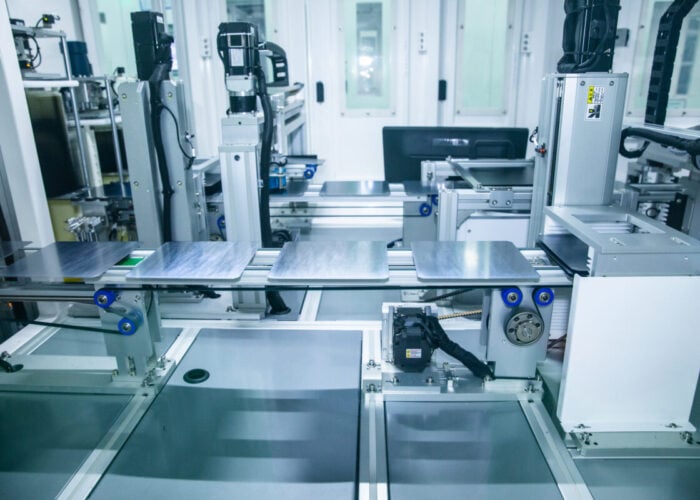
Recovering the waste material from Germany’s solar fleet and realising the economic and environmental benefits is dependent on recycling processes. Fraunhofer CSP said that currently only two plants in Germany process c-Si modules on an industrial scale, each requiring different processes to recover bulk materials such as glass and more valuable parts such as silver.
The report highlights a disparity between expected recycling volumes and actual material, which it said has made it more difficult to establish recycling capacity. It said the amount of waste collected in 2022-24 actually fell compared with previous years, despite more cumulative solar capacity. This was “presumably due to longer usage times or the export of used modules”, the research said.
Unreliable recycling volumes make it harder to establish reliable capacity, Fraunhofer said, because the input must be aligned with expected returns on materials.
Silver has become a focus for solar recycling, given the value of the material and the amount that solar manufacturing now consumes – the PV industry consumed just under 20% of global silver production in 2023, and some experts have warned that solar manufacturing could eat through global silver reserves within five years, at current rates.
A recent study by the International Energy Agency Photovoltaics Power Systems Programme (IEA PVPS) said that recovering critical materials from existing solar modules was essential to ensuring the sustainable development of the solar industry. It found that growing solar demand would play a major role in global critical material supply, and recycling and new manufacturing methods to reduce silver and other metal usage could help mitigate its impact.